In the four years of President Samia Suluhu Hassan’s visionary leadership, Tanzania has witnessed remarkable momentum toward transforming agriculture into a modern, inclusive, and competitive sector. Strategic policies focused on empowering youth and women have opened doors for organizations like Equity for Tanzania Limited (EFTA) to pioneer innovative, inclusive financing solutions without requiring collateral.
EFTA, a social impact leasing company, offers asset-based financing to small and medium-sized enterprises (SMEs), enabling clients to access productive machinery and vehicles through a collateral-free lease. This transformative model is changing the face of agriculture across Tanzania, particularly for youth and women who have traditionally lacked access to finance.
“Access to finance has long been the greatest barrier for young and female entrepreneurs in agriculture. At EFTA, we’ve removed that barrier by focusing on trust, capacity, and the impact of the business, not land titles or buildings that are traditionally owned by men,” says Mr. Nicomed Bohay, Managing Director of EFTA.
Investing in the Future: Empowering Youth and Women in Agribusiness

In a country where over 60% of the population is under 35, youth involvement in agribusiness is not only essential but strategic. EFTA’s flexible loan model requiring just a 25% down payment and offering repayment terms of up to three years, has enabled young people to access essential equipment like tractors, food processors, irrigation systems, and poultry tools.
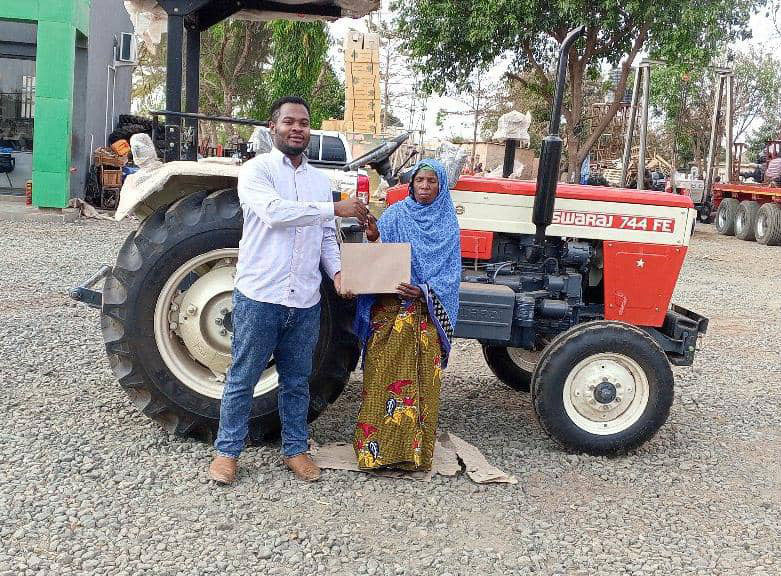
One inspiring example is Debora Msiba Kadidi from Mwanza. Before receiving a Swaraj tractor loan from EFTA, her farming output was low and unsustainable. But with mechanization, Debora now cultivates larger plots, achieves higher yields, and earns sufficient income to support her family and reinvest in her business.
“I used to struggle just to till a small piece of land. After getting the tractor through EFTA, I now farm efficiently and harvest more than ever. I even provide tractor hiring services to other smallholder farmers in my community earning me some extra cash. This has changed my life,” she says.
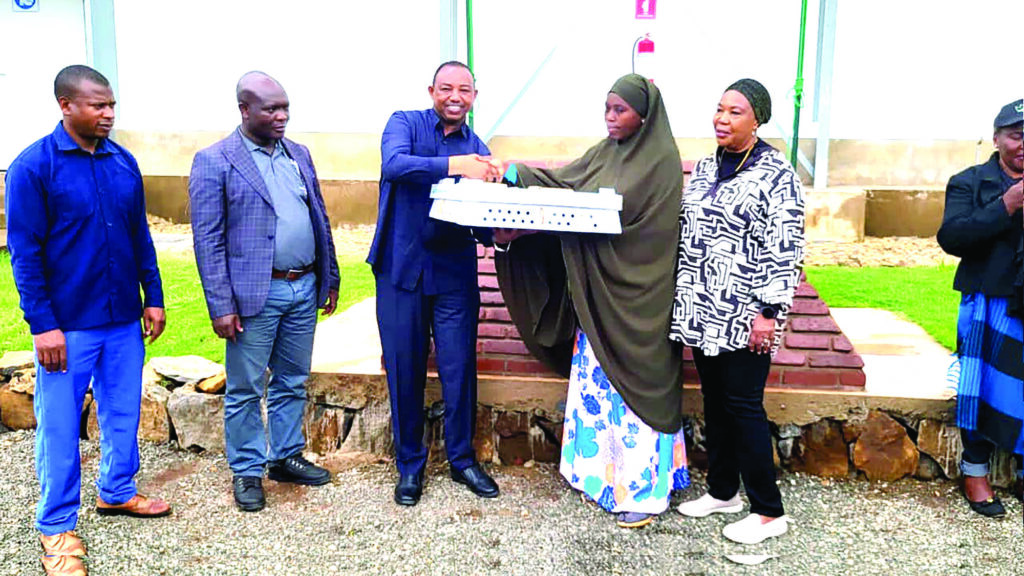
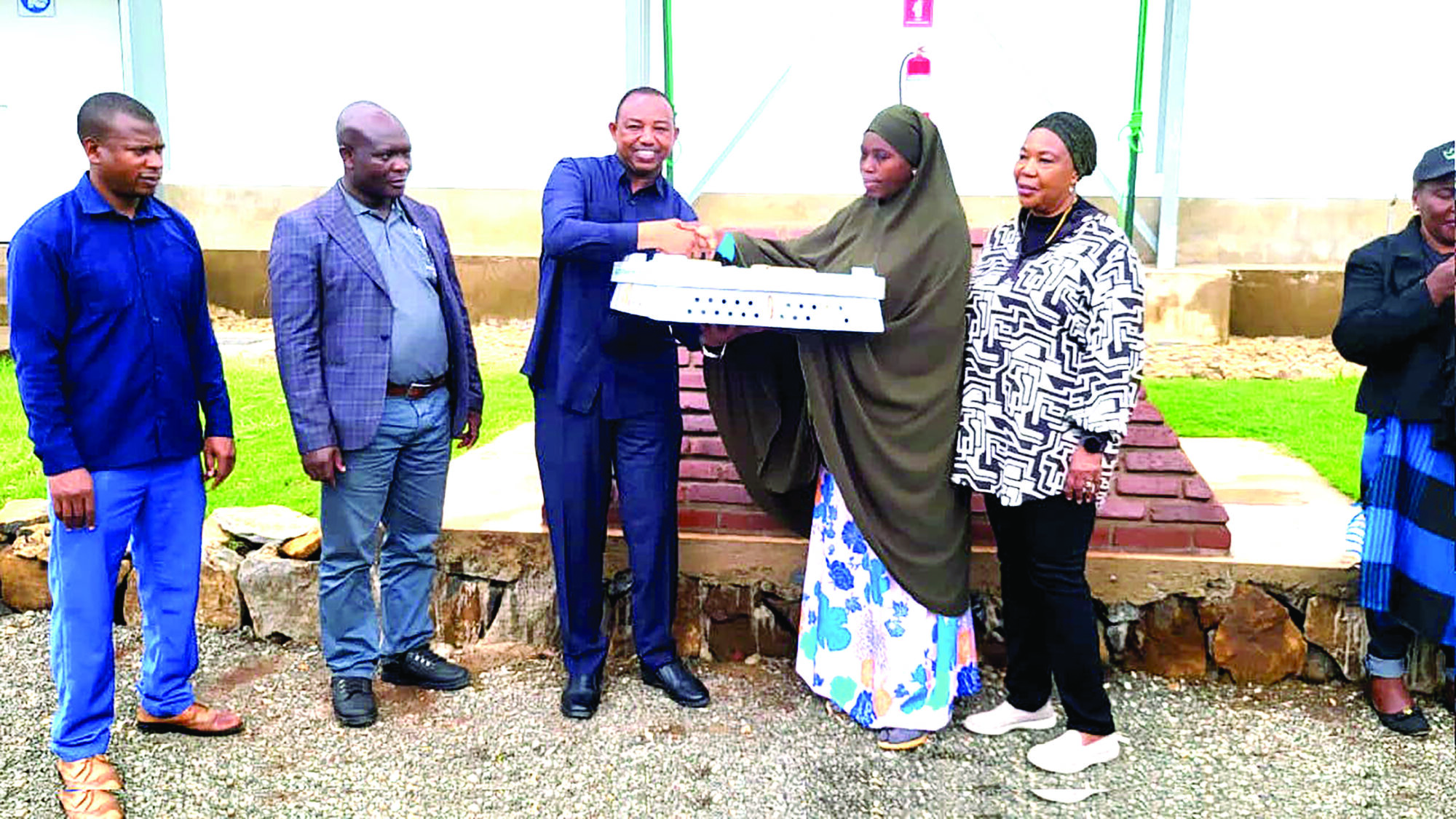
Another standout story is Neema Rweyemamu, a housewife turned agripreneur from Moshi, who launched a modern poultry business using EFTA’s chick’s loan. Today, her business not only provides a steady income but has helped empower other women in her community through mentorship and training.
“The loan gave me more than just chicks, it gave me dignity, independence, and hope,” Neema explains.
With more than 40% of its agricultural loans going to women, EFTA is delivering on its mission to promote gender equity and inclusive development across Tanzania.
The Rise of “Madam Carrot”
One of the most compelling success stories is that of Aluseta Ashikaeli Uroki, known widely as Madam Carrot. After losing her job during the COVID-19 pandemc, she began selling carrots in Arusha. Though passionate and hard-working, she faced serious setbacks due to transportation challenges that led to spoiled produce and lost clients.
Refusing to give up, Madam Carrot turned to EFTA and secured a loan to purchase a delivery truck. That investment transformed her business: today she delivers fresh carrots on time to customers across Kilimanjaro, Tanga, Dodoma, and beyond.
“Since getting the truck, my income has doubled. I’ve built a house, educated my children, and supported over ten people who now rely on my business for income,” she says.
Mr. Derick Kombe, EFTA’s Arusha Branch Manager, adds: “When she came to us, we didn’t hesitate to support her goals. Our mission is to empower entrepreneurs with the right tools and opportunities.”
Beyond Financing: Building an Inclusive Economy
EFTA’s model stands out for more than just its accessibility. By partnering with equipment suppliers and offering flexible terms, it makes productive tools available to those often excluded by traditional lenders. Clients begin using their equipment almost immediately, accelerating productivity from day one.
“Our aim is not just to finance equipment but to transform livelihoods,” Mr. Bohay affirms. “We want to see Tanzanians owning assets, creating employment, and building intergenerational wealth.”
This approach aligns closely with President Samia’s broader economic agenda: to industrialize agriculture, increase food security, and create jobs across rural Tanzania.
EFTA’s role in this transformation is clear it enables farmers, especially those in underserved areas, to take part in national growth through modern tools for crop production, poultry, food processing, and transportation.
A Vision for 2050: Inclusive and Sustainable Growth
As Tanzania advances toward Vision 2050, organizations like EFTA are essential in translating policy into progress. Through strategic partnerships and a scalable financing model, EFTA is motivating entrepreneurs, attracting investment, and strengthening local value chains.
From helping smallholders like Debora mechanize their farms, to enabling women like Madam Carrot to scale their agribusinesses, EFTA is showing that you don’t need collateral to unlock potential, just opportunity and trust.
For more information, visit www.efta.co.tz or contact +255 765 417 387 / info@efta.co.tz