
By Business Insider Reporter
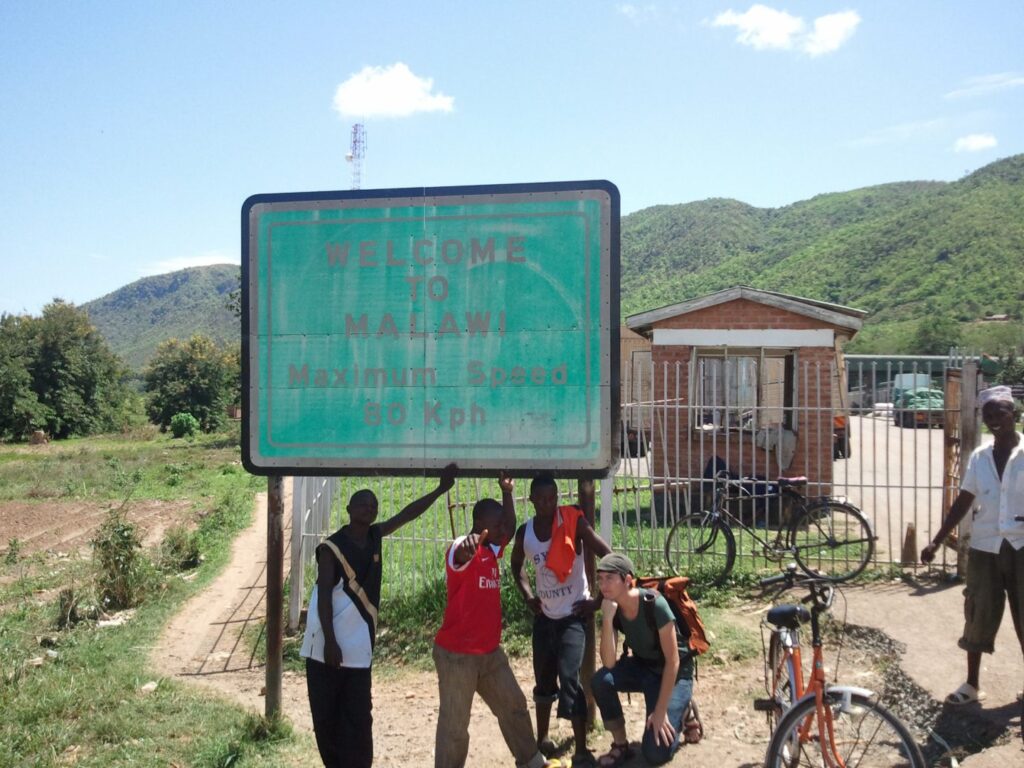
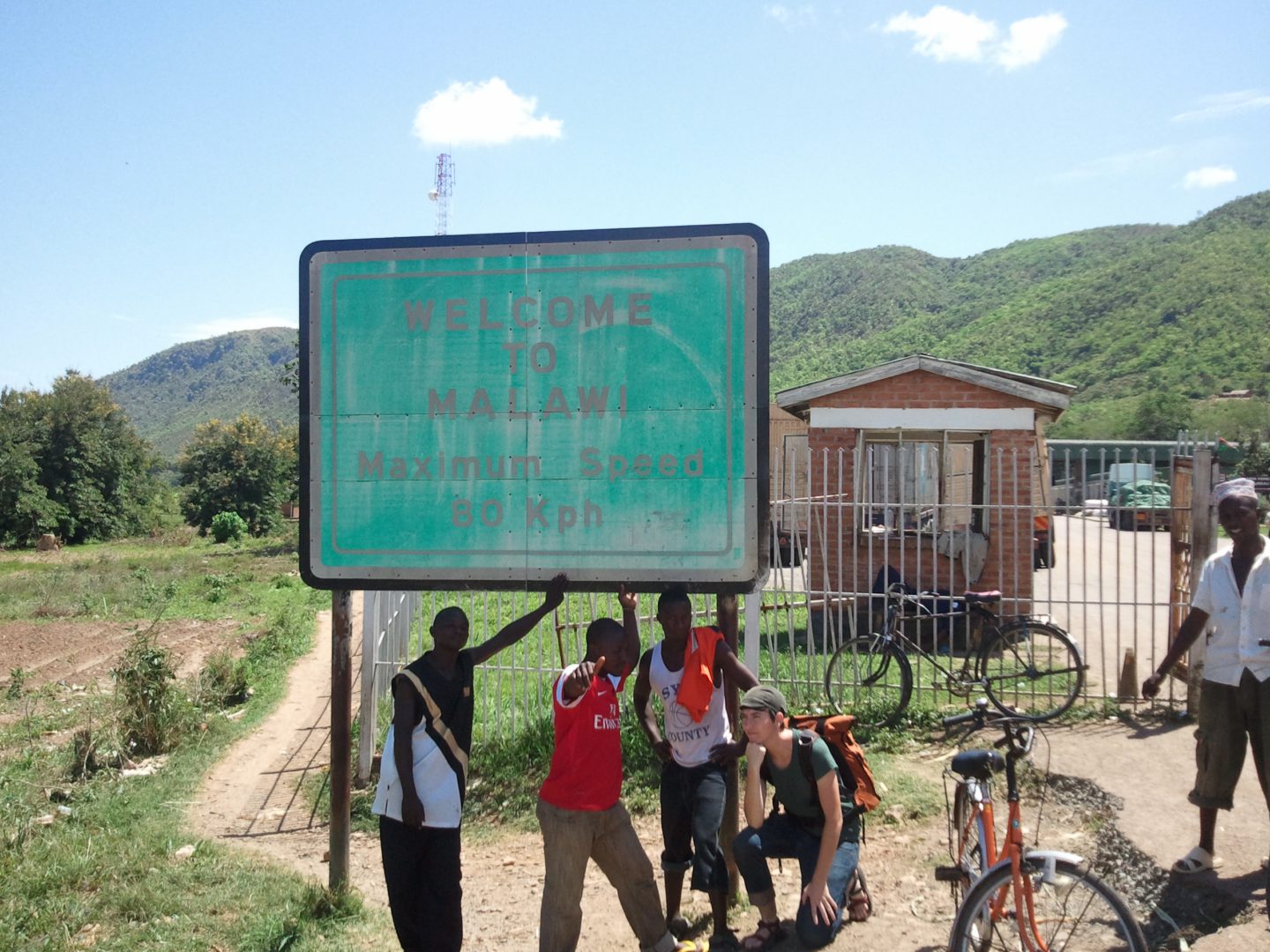
The Government of Malawi has officially recognised the boundary between herself and Tanzania within Lake Nyasa (also known as Lake Malawi), marking the end of a border dispute that has spanned several decades.
In a statement released by Malawi’s Ministry of Foreign Affairs on Friday, 13 June 2025, the government announced that, following extensive diplomatic consultations and in accordance with international legal frameworks, it had reached a historic bilateral agreement with the United Republic of Tanzania to equitably share the lake’s waters and resources.
The agreement is based on principles outlined in the United Nations Convention on the Law of the Sea (UNCLOS), which provides guidelines for maritime boundaries and the fair use of shared water resources.
Malawi’s foreign ministry noted that the decision reflects the two nations’ mutual vision of peaceful coexistence, sustainable development, and strengthened regional cooperation.
“The decision to share Lake Malawi was reached after extensive deliberations aimed at promoting peace, preserving the lake’s ecological health, and improving the livelihoods of the communities dependent on it. This agreement symbolises mutual respect and a strong commitment to fostering good neighbourly relations,” the statement read.
The Malawian government assured its citizens that the implementation of this agreement would be carried out with full transparency and stakeholder engagement, particularly with local communities living along the lake.
“We acknowledge that this development may raise important questions, but the Ministry assures the public that the sovereignty and welfare of Malawi and its citizens remain a top priority. This agreement is a strategic step towards sustainable resource management and peacebuilding in the region,” notes the statement.
Dispute rooted in colonial-era ambiguity
The resolution comes after years of contention, largely stemming from disputed colonial-era agreements, and Malawi’s past claims that the border lies along the Tanzanian shoreline – effectively granting Malawi ownership over the entire lake.
The dispute escalated in 2011 when Malawi issued oil exploration licences to two foreign firms within the disputed waters, prompting a strong protest from Tanzania, which views the lake as a shared resource among Malawi, Tanzania, and Mozambique.
Successive Tanzanian and Malawian presidents – including Julius Nyerere, Ali Hassan Mwinyi, Benjamin Mkapa, Bakili Muluzi and Bingu wa Mutharika – pursued diplomatic talks to resolve the issue.
However, tensions rose during Joyce Banda’s presidency in Malawi, particularly following the discovery of oil reserves in the lake.
Failed talks and international mediation
In 2012, both governments agreed to refer the dispute to a mediation panel of retired African leaders under the African Union.
The panel, chaired by former Mozambican President Joaquim Chissano, included Festus Mogae (Botswana) and Thabo Mbeki (South Africa).
The decision followed a failed round of negotiations in Dar es Salaam, attended by the foreign ministers and senior officials of both countries.
Tanzania maintained that Lake Nyasa is a shared heritage of the three neighbouring nations and strongly opposed any unilateral claim to the entire body of water.
In 2013, Malawi withdrew from the AU-led mediation process, accusing the panel’s secretary, Tanzanian national John Tesha, of leaking confidential Malawian documents. Malawi then threatened to escalate the case to the International Court of Justice (ICJ) – a move that Tanzania rejected, citing prior agreements that the AU panel would be the final arbiter.
Tanzania’s then-Foreign Minister, the late Bernard Membe, publicly criticised Malawi’s position and accused it of breaching the Dar es Salaam agreement of November 7, 2012.
He warned that if Malawi proceeded unilaterally, Tanzania would consult the AU panel before taking further action.
“At first, they accused us of preparing to invade. Then they claimed we forged maps to alter the border.
Now they’re backtracking on agreements they committed to. Why the panic?” Membe questioned at the time.
Over the years, Malawi had taken its grievances to international stakeholders including the United Kingdom, the United States, the African Union, and the Southern African Development Community (SADC).
A diplomatic turning point
The 2025 decision by Malawi signals a major diplomatic shift and is being welcomed in Tanzania as a breakthrough in regional stability and cross-border cooperation.
Analysts note that this resolution opens up new possibilities for joint resource management, fisheries development, and cross-border environmental protection of one of Africa’s largest freshwater lakes. The final implementation stages will involve legal harmonisation, technical demarcation of maritime boundaries, and local consultations to ensure inclusive benefit-sharing among lakeside communities.