
By Business Insider Reporter
The country’s external sector registered notable improvements in the year ending June 2025, with the current account deficit narrowing to US$ 2.12 billion, down from US$ 2.8 billion a year earlier, according to the Bank of Tanzania’s (BoT) July 2025 Monthly Economic Review (MER).
The gains were primarily attributed to a stronger trade surplus, driven by robust export growth and a steady build-up in foreign exchange reserves.
Exports surge
Exports of goods and services jumped 17.7 percent to US$ 16.93 billion, up from US$ 14.38 billion in June 2024.
Goods accounted for nearly 58 percent of this value, rising to US$ 9.82 billion from US$ 7.80 billion.
Gold exports led the charge, climbing to US$ 3.80 billion from US$ 3.12 billion a year earlier, buoyed by favourable global market prices and central bank purchases.
Agricultural exports also contributed significantly, with cashew nuts, tobacco, horticultural products, and coffee all recording gains.

Notably, cereal exports – mainly maize and rice – more than tripled to US$ 501.3 million, reflecting rising demand from neighbouring countries facing food supply challenges.
In services, earnings reached US$ 7.11 billion, up from US$ 6.58 billion in 2024.
Tourism was the standout, supported by a 10 percent increase in international tourist arrivals to 2.19 million visitors, while transport services also performed strongly.
Imports rise, but oil bill declines
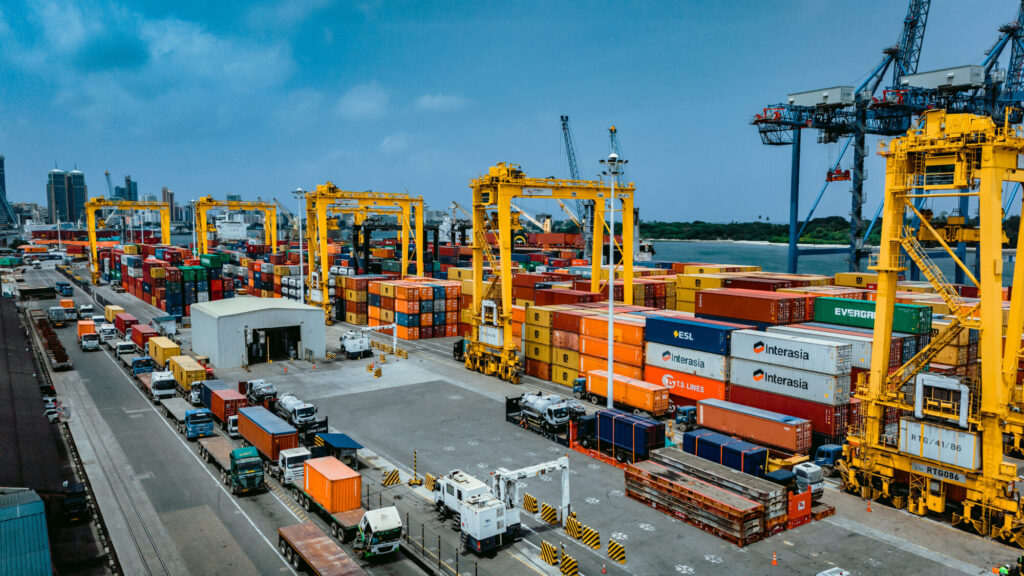
Imports of goods and services increased 9 percent to US$ 17.60 billion, compared to US$ 16.14 billion in the previous year.
The rise was largely attributed to higher inflows of industrial equipment, transport machinery, and raw materials, alongside increased freight costs.
However, Tanzania benefited from easing global oil prices, with petroleum imports declining to US$ 2.52 billion from US$ 2.80 billion a year earlier, reducing pressure on the import bill.
Stronger reserves cushion the economy
The country’s foreign exchange reserves rose to US$ 5.97 billion, up from US$ 5.35 billion a year ago.
This level is sufficient to cover 4.8 months of projected imports, comfortably above both national and East African Community (EAC) benchmarks.
Analysts say the reserve build-up signals improved resilience against external shocks, including commodity price volatility and global financial uncertainties.
The balancing act ahead
Despite the progress, challenges remain. The primary income account deficit widened to US$ 1.95 billion, reflecting higher payments of income on equity and interest to non-residents.
Similarly, the secondary income surplus narrowed to US$ 508.7 million, as personal transfers declined.
A local economist notes: “The external sector is showing encouraging strength, but the country must remain cautious. Sustaining export momentum, particularly in value-added products, and managing rising freight and service payments will be key.”
Outlook
Tanzania’s external sector performance paints a picture of resilience: stronger exports, healthier reserves, and a narrowing deficit.
For businesses, this creates opportunities in agriculture, mining, and tourism, while providing government with more room to implement growth-oriented policies. As global demand shifts and regional markets expand, the ability to maintain this momentum will determine whether Tanzania can continue turning external trade into a pillar of economic stability.