By Business Insider Reporter, Dodoma
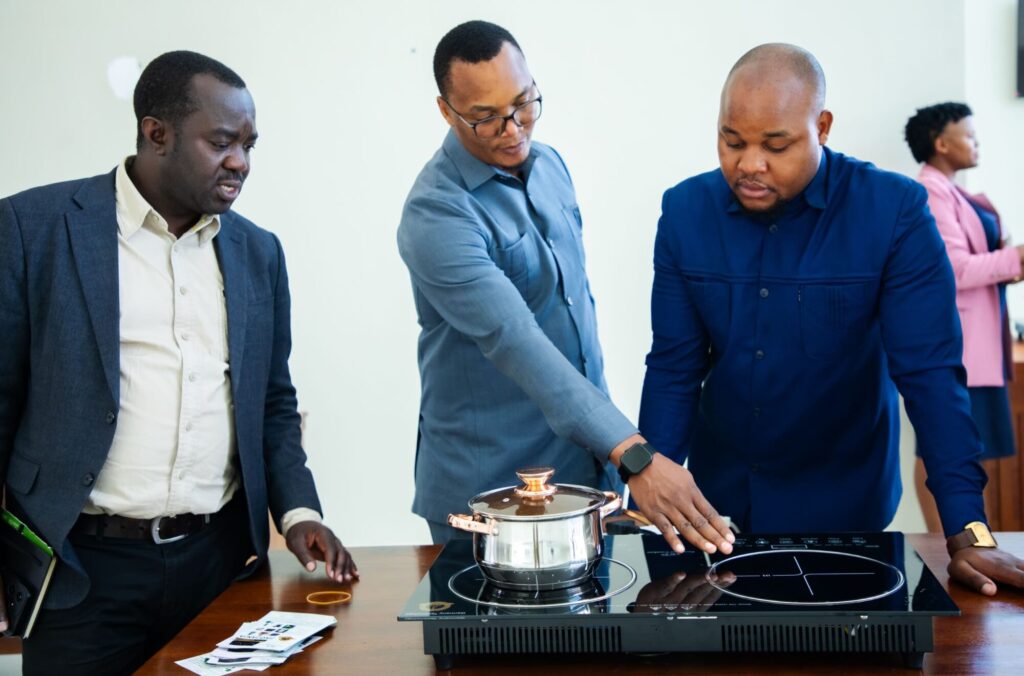
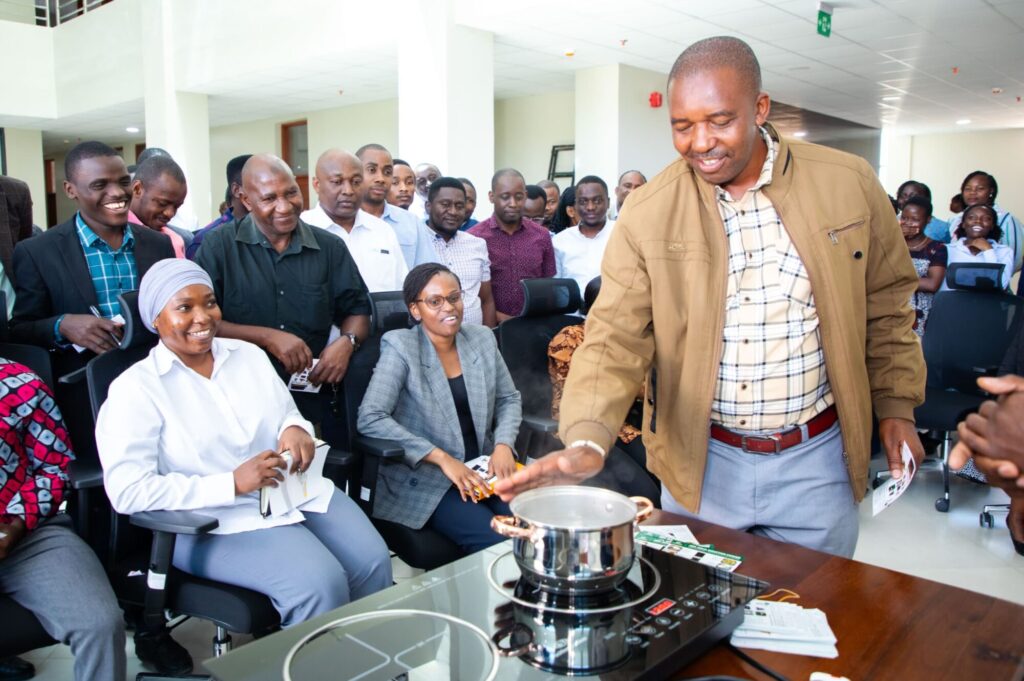
Staff at the Ministry of Energy have been trained on the correct and efficient use of modern induction cookers, marking another milestone in the government’s drive to promote clean cooking solutions in Tanzania.
The training session, held at the Ministry’s headquarters in Mtumba, Dodoma, comes after Deputy Prime Minister and Minister for Energy, Dr. Doto Biteko, recently handed over energy-efficient induction cookers to ministry staff.
The initiative is part of the National Clean Cooking Strategy, which seeks to drastically reduce reliance on charcoal, firewood, and other polluting fuels.
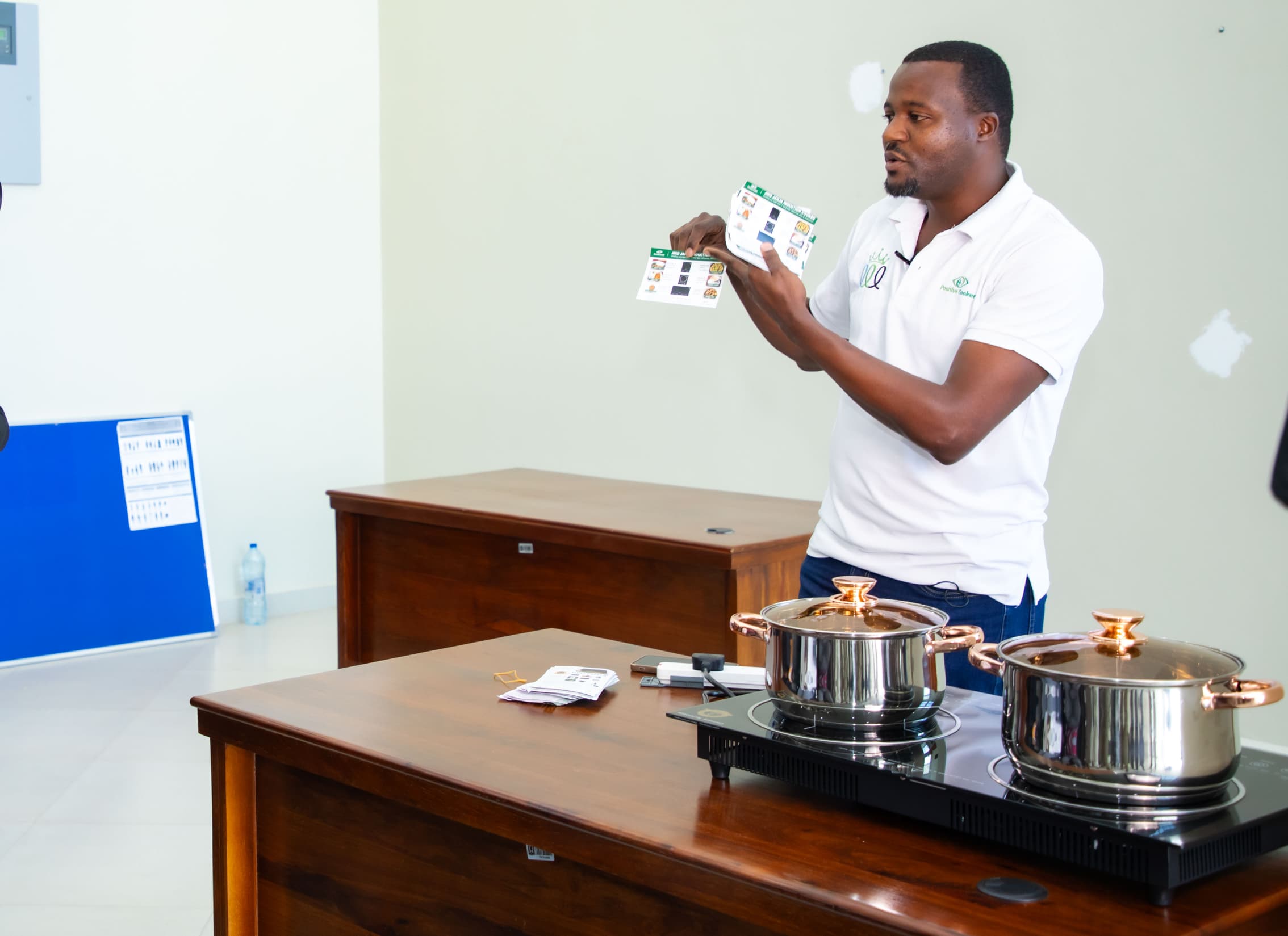
Speaking during the training, delivered in partnership with local firm Positive Cooker, the company’s Chief Executive Officer, Mr. Atukuzwe Willson, emphasised that the initiative is designed to demonstrate not only the affordability of induction cookers but also their broader benefits to health and the environment.
“Our goal is to ensure every Tanzanian transitions from dirty fuels to clean cooking alternatives. These induction cookers consume very little electricity – between half a unit and one-and-a-half units for cooking sessions of 15 to 90 minutes – costing as little as Sh65 to Sh534. This proves that clean cooking is both efficient and affordable,” said Mr Willson.
He noted that beyond cutting household expenses, adoption of such technologies would help protect forests from unsustainable charcoal production and reduce indoor air pollution, which is a major cause of respiratory illnesses across the country.
Dr. Biteko said the ministry staff are expected to become ambassadors of clean cooking solutions in their communities, helping to raise awareness about the economic and health benefits of shifting away from biomass fuels.
“As a ministry, we must lead by example. This is about safeguarding our environment, improving public health, and ensuring energy efficiency in households,” he remarked.
According to the World Bank, over 90 percent of Tanzanian households still rely on wood fuel and charcoal for cooking, a trend that costs the economy billions annually in health and environmental damages.
The government’s National Clean Cooking Strategy, launched in 2023, targets 80 percent of households adopting clean cooking technologies by 2034.
Experts say induction cooking could play a transformative role in Tanzania’s energy transition, especially as the country increases investment in electricity generation from natural gas, hydropower, and renewables.
With rural electrification rates rising and urban demand for affordable solutions growing, induction cookers are being promoted as a practical option for households across the income spectrum.
The government is also working with development partners to expand financing mechanisms, allowing more Tanzanians to access modern cooking technologies through subsidies, microloans, and pay-as-you-go systems.
For ministry staff in Dodoma, the training marks the beginning of a broader advocacy campaign.
“This is more than a training exercise – it’s about creating a movement,” said Mr Willson. “By equipping civil servants with both the tools and the knowledge, we are building champions who can spread the message of clean energy adoption across Tanzania.” As the country marches towards its 2034 target, initiatives such as these are expected to accelerate public acceptance and adoption of clean cooking, making households safer, healthier, and more sustainable.