By Business Insider Correspondent
East Africa is fast emerging as a dynamic air logistics and trade hub, with Rwanda and Uganda investing heavily in modern aviation infrastructure that is expected to fuel regional economic transformation.
With Rwanda’s US$2 billion Bugesera International Airport and Uganda’s $552.9 million expansion of Entebbe International Airport, the two countries are positioning themselves as strategic gateways for exports, tourism, and foreign direct investment.
These high-stakes aviation projects are not just about handling more passengers – they are about catalysing regional growth by enabling faster cargo movement, supporting industrialisation, and boosting global market access.
Rwanda’s Bugesera Airport
Set just 40 km south of Kigali, Bugesera International Airport is the flagship infrastructure project under Rwanda’s Vision 2050, developed in partnership with Qatar Airways, which holds a 60% stake.
Designed to handle 150,000 tonnes of cargo annually in its first phase (by 2026), the airport is central to Rwanda’s ambition to become a regional logistics and aviation powerhouse.
The direct beneficiaries include Rwanda’s export-oriented sectors – horticulture, manufacturing, and pharmaceuticals – which will gain faster access to global markets.
The airport is expected to relieve pressure on Kigali International Airport, enhance Rwanda’s appeal to global investors, and cement Kigali’s status as a commercial gateway in the African Continental Free Trade Area (AfCFTA).
While the IMF has advised caution due to debt risks, Rwandan officials maintain that the long-term economic returns – higher trade volumes, increased investment, and job creation – justify the strategic investment.
“Bugesera is not just an airport; it’s an enabler of economic transformation,” says transport analyst Jean Bosco Uwimana in Kigali. “It links Rwanda directly to key markets, cutting logistics costs and delays.”

Entebbe Expansion
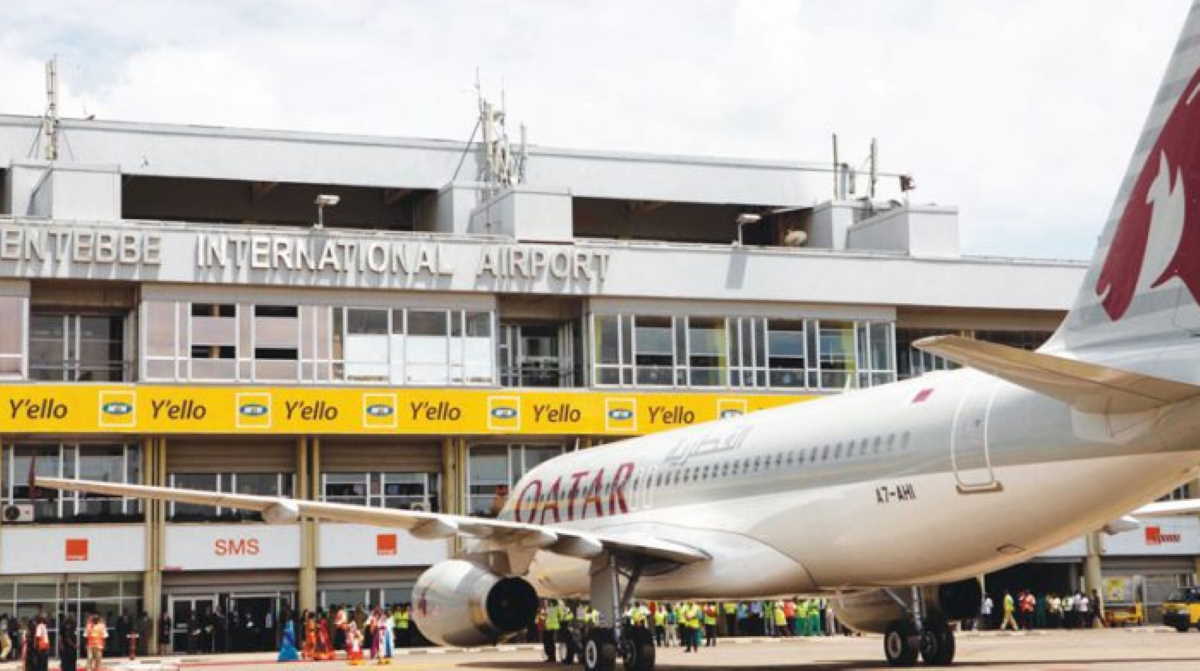
Uganda, too, is betting big on air logistics. The US$552.9 million expansion of Entebbe International Airport, funded through concessional loans from China’s Exim Bank, is designed to ramp up the country’s airfreight handling capacity from a mere 10,000 to 100,000 tonnes annually.
The new cargo terminal – equipped with temperature-controlled storage and automated handling systems – is a game-changer for Uganda’s key exports: fresh produce, fish, coffee, flowers, and pharmaceuticals.
With spoilage rates expected to drop significantly and turnaround times improved, Ugandan exporters will become more competitive globally.
Additionally, the infrastructure opens opportunities for cold-chain investment, logistics tech startups, and warehousing businesses to plug into the value chain.
Phased for completion by 2033, the upgrade will also include a new passenger terminal, runway improvements, and streamlined customs and security operations – turning Entebbe into a regional air logistics anchor.
“This project underpins Uganda’s export ambitions and aligns with its industrialisation roadmap,” says economic advisor Sarah Nantume. “It creates the infrastructure backbone for scaling up agro-processing, attracting FDI, and participating fully in the AfCFTA framework.”
Regional business impact
For East Africa, these developments are not isolated projects.
They represent a coordinated shift toward airborne economic infrastructure capable of serving a regional supply chain stretching from Dar es Salaam to Nairobi, Kigali to Juba.
Key regional effects include improved export efficiency for high-value goods; integration into global supply chains for agriculture and light manufacturing; increased investor confidence in air-dependent sectors such as tourism, agribusiness, logistics, and tech; and stronger regional interconnectivity, helping facilitate cross-border trade under AfCFTA.
With rising demand for fast, secure cargo delivery—driven by e-commerce, pharmaceuticals, and perishables—these air hub investments offer long-term gains that will ripple across East Africa’s business ecosystem.
East Africa’s aviation investments are no longer just about connectivity – they are about economic positioning. Rwanda and Uganda are setting a high bar, using airport infrastructure to build resilient, export-driven economies. If efficiently managed and complemented by regulatory reform, digital integration, and trade facilitation, these mega projects could redefine East Africa’s role in continental and global commerce – making Kigali and Entebbe the region’s next great business addresses.