By Business Insider Reporter
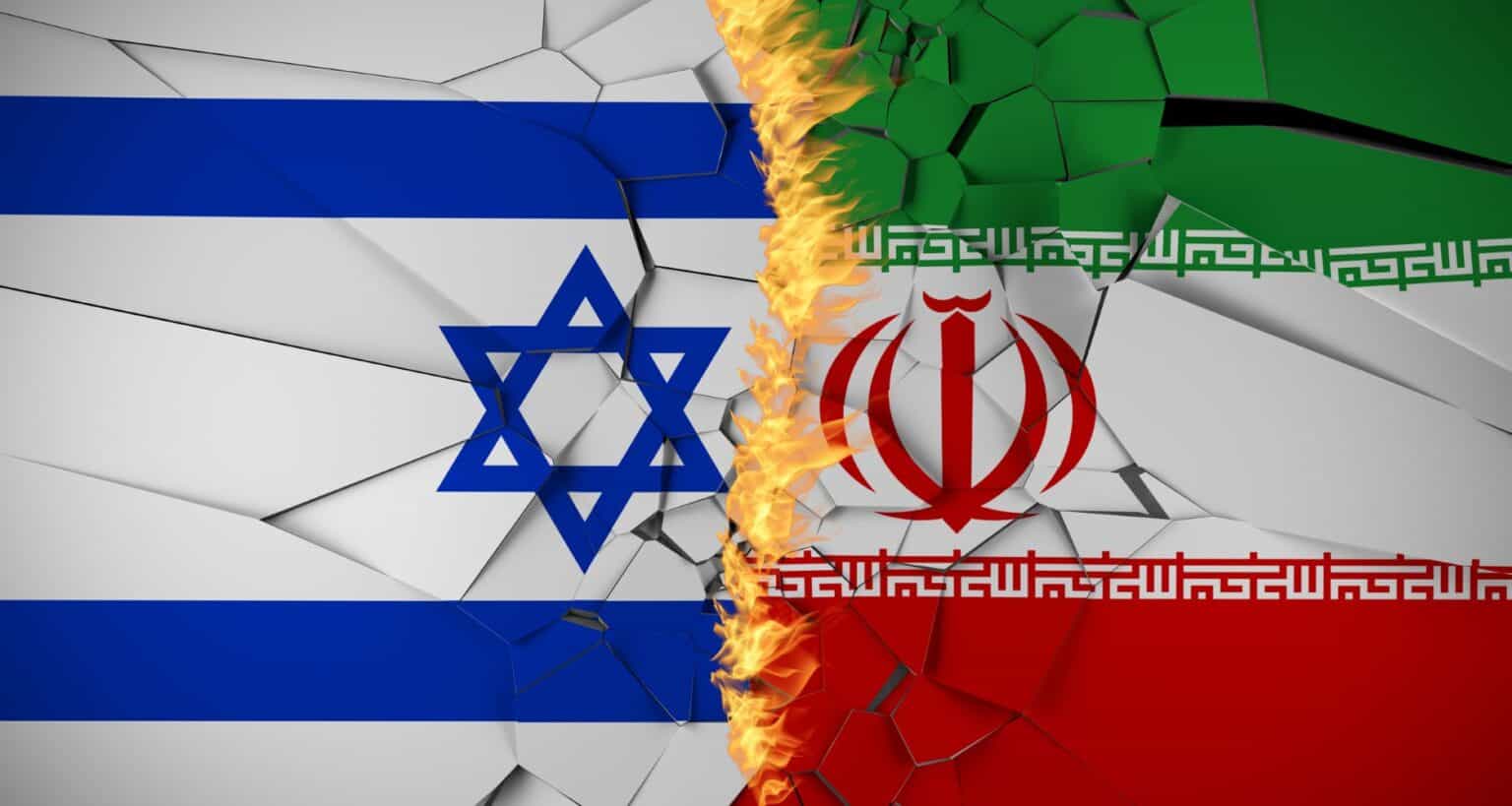
As the escalating hostilities between Iran and Israel fuel geopolitical instability in the Middle East, East African economies are beginning to feel the tremors.
Though thousands of miles away from the epicentre, the region’s interconnectedness to global trade routes, fuel markets, and security partnerships means the fallout could be swift and painful.
From mounting debt pressures and energy price shocks to security vulnerabilities and diplomatic tightropes, East Africa must now navigate an increasingly volatile global landscape.
Dollar surge, debt dilemmas
One of the most immediate consequences for East Africa is financial.
As investors seek safe havens amid uncertainty, the US dollar has strengthened, putting currencies like the Kenyan shilling, Tanzanian shilling, Ugandan shilling, and Ethiopian birr under renewed pressure.
This currency depreciation poses a direct threat to debt sustainability in a region already grappling with high external debt burdens.
Kenya, for instance, spends more than 30% of its government revenue on debt servicing, most of it dollar-denominated. With fiscal space narrowing, essential development spending – on infrastructure, education, and health – is at risk of being crowded out.
“Every time there’s a flare-up in the Middle East, we brace for shocks that make borrowing more expensive and capital flight more likely,” said a Dar es Salaam-based economist.
Ethiopia, whose debt restructuring talks are still fragile, could also face headwinds, while Uganda and Rwanda – though relatively less exposed – may find their sovereign bond yields rising as risk perceptions shift.
Fuel costs set to spike
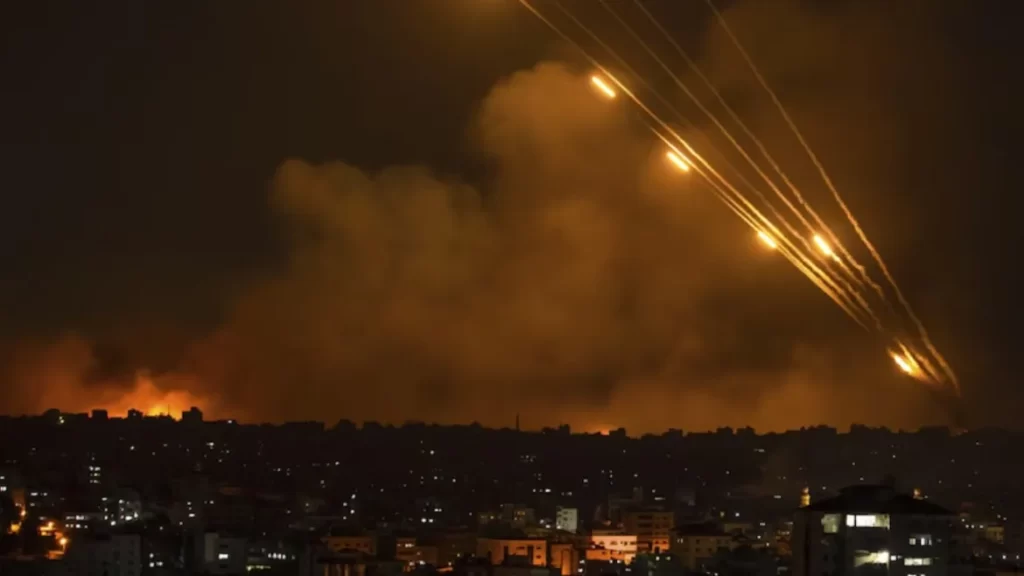
The crisis in the Middle East also threatens East Africa’s energy security. Any disruption to the Strait of Hormuz, through which over 30% of global oil passes, could send oil prices soaring.
For net oil importers like Kenya, Uganda, Rwanda, Tanzania and Burundi, this could drive up inflation, fuel prices, and transport costs – compounding the cost-of-living crises already affecting millions across the region. With central banks in Nairobi and Kampala beginning to loosen monetary policy to support growth, inflationary shocks would complicate that strategy.
“Rising oil prices are a tax on everything in East Africa -from electricity to agriculture to manufacturing,” said Dr. Joseph Maweu, energy policy lecturer at the University of Nairobi.
Aviation and cargo rerouted
East Africa’s aviation sector is also caught in the crossfire. Qatar Airways, Emirates, and Turkish Airlines – vital carriers for passenger and cargo traffic to and from East African cities like Nairobi, Dar es Salaam, Kigali and Addis Ababa – have already rerouted or cancelled flights due to the conflict.
As a result, exporters of perishable goods, such as flowers from Kenya and fresh produce from Ethiopia, risk delayed shipments and lost income.
Tourism operators across the region, particularly in Tanzania and Kenya, report booking cancellations and reduced forward reservations as global travelers adopt a wait-and-see approach.
“The tourism recovery was gaining momentum post-COVID, but now we’re back in uncertain territory,” said a Arusha based tour company operator.
Security flashpoints
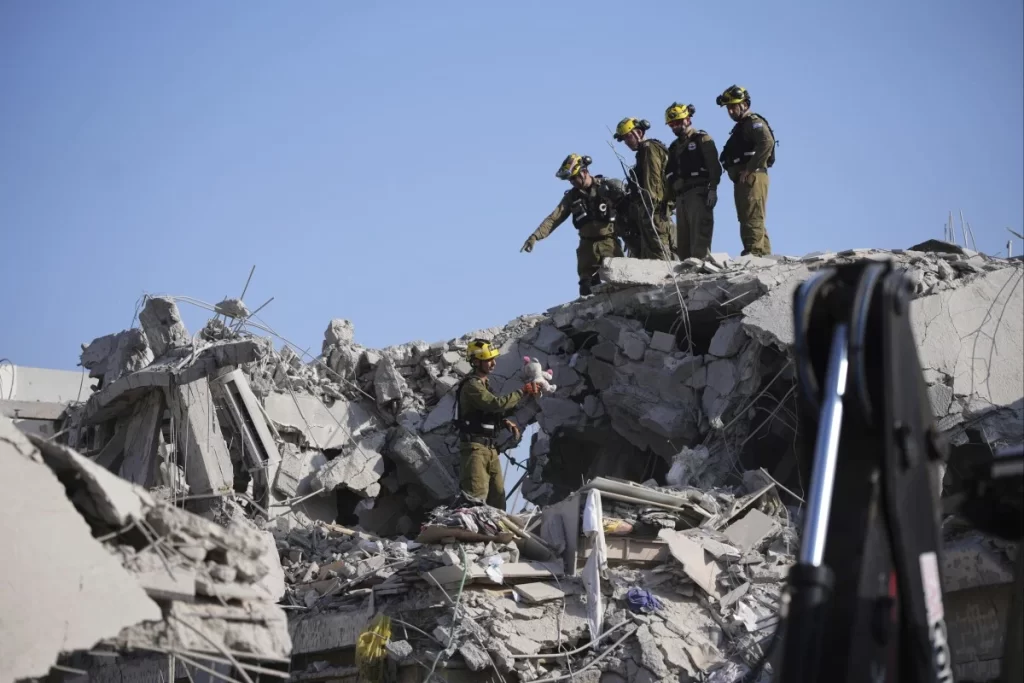
Beyond economics, there are serious security implications for the Horn of Africa. The presence of US military bases in Djibouti and Somalia, along with Israeli interests in Eritrea, raises the risk of retaliatory strikes or sabotage from Iranian proxies, such as the Houthis in Yemen.
The Houthi attacks on Red Sea shipping have already impacted freight routes and insurance premiums, while regional instability could disrupt peacekeeping operations, aid deliveries, and even attract extremist elements seeking to exploit the chaos.
East Africa’s tightrope walk
The diplomatic fallout is equally fraught. As global powers polarise around the crisis, East African nations may be pressured to pick sides – between traditional Western allies and emerging partners in BRICS, including Iran.
Ethiopia, Egypt, and South Africa, all new members of BRICS+, may find themselves walking a fine line if the bloc is seen to lean towards Tehran. Meanwhile, Kenya and Uganda, which have strong military and aid ties to the United States, could risk punitive reactions for perceived neutrality or alignment with Iran’s sympathisers.
Strategic response
Experts say the crisis underscores the urgent need for East African countries to boost their economic resilience, deepen regional integration, and strengthen domestic security capacity. Priorities include reducing dollar-denominated debt, accelerating the African Continental Free Trade Area (AfCFTA) to cushion external shocks, investing in energy diversification, and enhancing security cooperation within the East African Community (EAC) and IGAD frameworks.