By Peter Nyanje
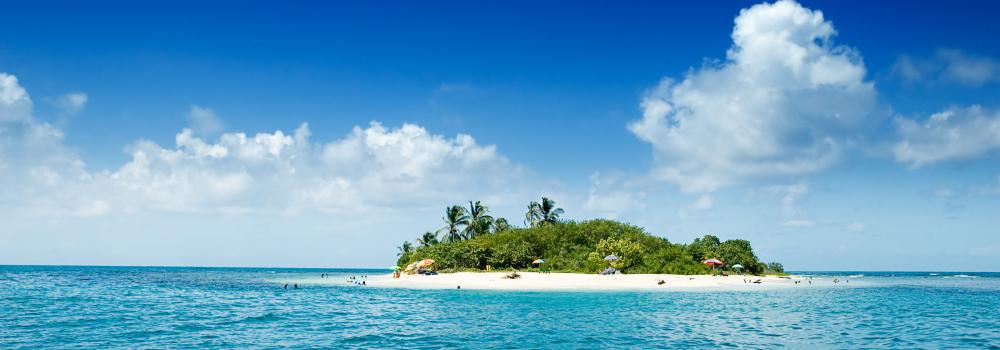
East Africa has earned global praise for its bold efforts to revive marine and coastal ecosystems, as the Northern Mozambique Channel Region – spanning parts of Tanzania, Mozambique, Madagascar, and Comoros – was named one of the 2025 World Restoration Flagships by the United Nations.
The flagship status, announced during the 3rd UN Ocean Conference in Nice, France, highlights the region’s role in combating ocean degradation caused by pollution, climate change, and overfishing.
The prestigious recognition comes as part of the UN Decade on Ecosystem Restoration, jointly led by the UN Environment Programme (UNEP) and the Food and Agriculture Organization (FAO).
The Northern Mozambique Channel, which includes parts of Tanzania’s marine territory, is home to over 35 percent of the coral reefs found in the entire Indian Ocean.
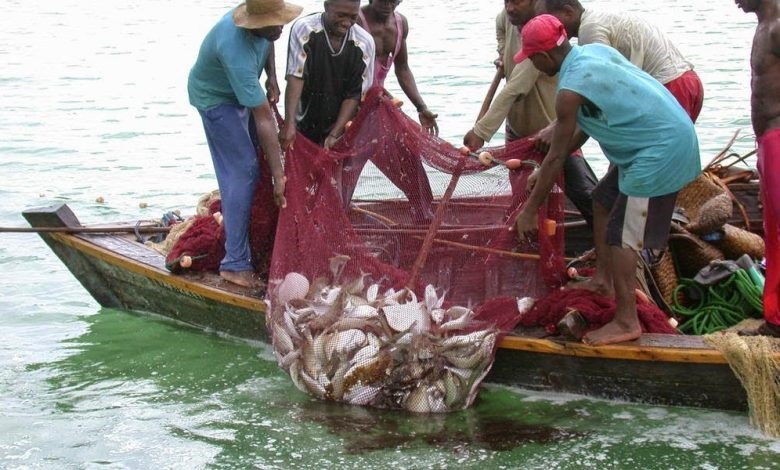
Often described as a “nursery” for marine biodiversity, this ecosystem is critical for fisheries, coastal protection, and the livelihoods of millions in East Africa.
But the region’s ecological wealth is under growing threat from unsustainable exploitation and agricultural runoff.
In response, the four bordering countries – Comoros, Madagascar, Mozambique and Tanzania – have teamed up to restore nearly 87,200 hectares of interconnected land and seascapes.
Their goal: to strengthen environmental resilience and support coastal communities.
“This recognition signals to the world that East Africa is stepping up to restore and protect one of the planet’s richest marine ecosystems,” said Inger Andersen, Executive Director of UNEP. “It also reflects the power of regional cooperation in driving meaningful climate and biodiversity action.”
Under the restoration plan, efforts include rebuilding mangrove forests, restoring coral reefs, and rehabilitating coastal green spaces to improve water quality and buffer storm surges.
These “blue-green corridors” are expected to improve fish stocks, enhance biodiversity, and increase carbon absorption to help combat climate change.
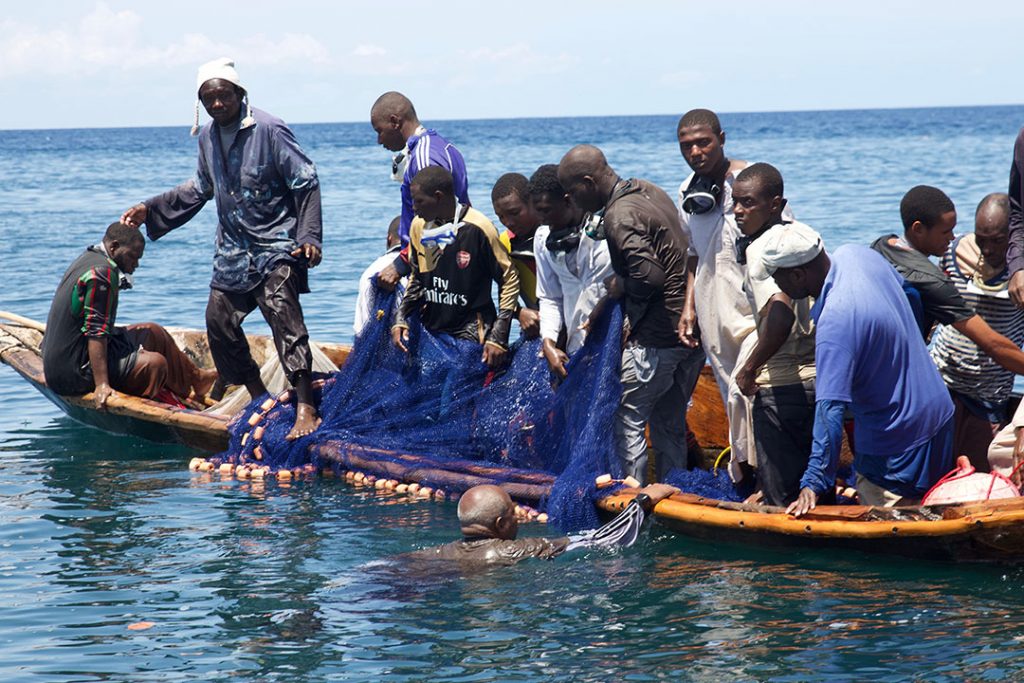
Tanzania, in particular, has ramped up community-based conservation and eco-tourism projects along its coast in recent years. These efforts align with national goals under the Blue Economy strategy, which aims to sustainably harness the country’s marine resources for long-term development.
According to the UN, with sufficient financing and technical support, the Northern Mozambique Channel initiative could restore up to 4.85 million hectares by 2030.
The socioeconomic dividends could be substantial – over 2,000 jobs, a 30 percent increase in household incomes in target areas, and the creation of a dozen new community-based enterprises.
Madagascar’s mangroves, a key component of the restoration corridor, already store over 300 million tons of CO₂-equivalent – comparable to the annual electricity use of more than 60 million homes in the United States.
Expanding similar efforts across East Africa could greatly enhance the region’s carbon sink capacity.
FAO Director-General QU Dongyu praised the initiative as proof that reversing environmental degradation is possible and beneficial. “These restoration flagships show how restoring nature is good for both the planet and for people,” he said.
In total, three World Restoration Flagships were announced this year.
Besides the Northern Mozambique Channel, the other two include Mexico’s restored seabird islands and Spain’s Mar Menor lagoon – the first European ecosystem granted legal personhood.
The World Restoration Flagship awards are considered the gold standard in the UN’s global restoration efforts.
Projects are selected based on 15 rigorous criteria and are monitored through a global platform to ensure transparency and accountability.
For East Africa, the recognition offers both international visibility and new opportunities to attract climate finance and technical support.
It also reinforces the region’s growing leadership in global environmental governance. As global threats to oceans intensify, East Africa’s example may offer a blueprint for other coastal regions seeking to protect livelihoods while restoring nature.