By Business Insider Reporter
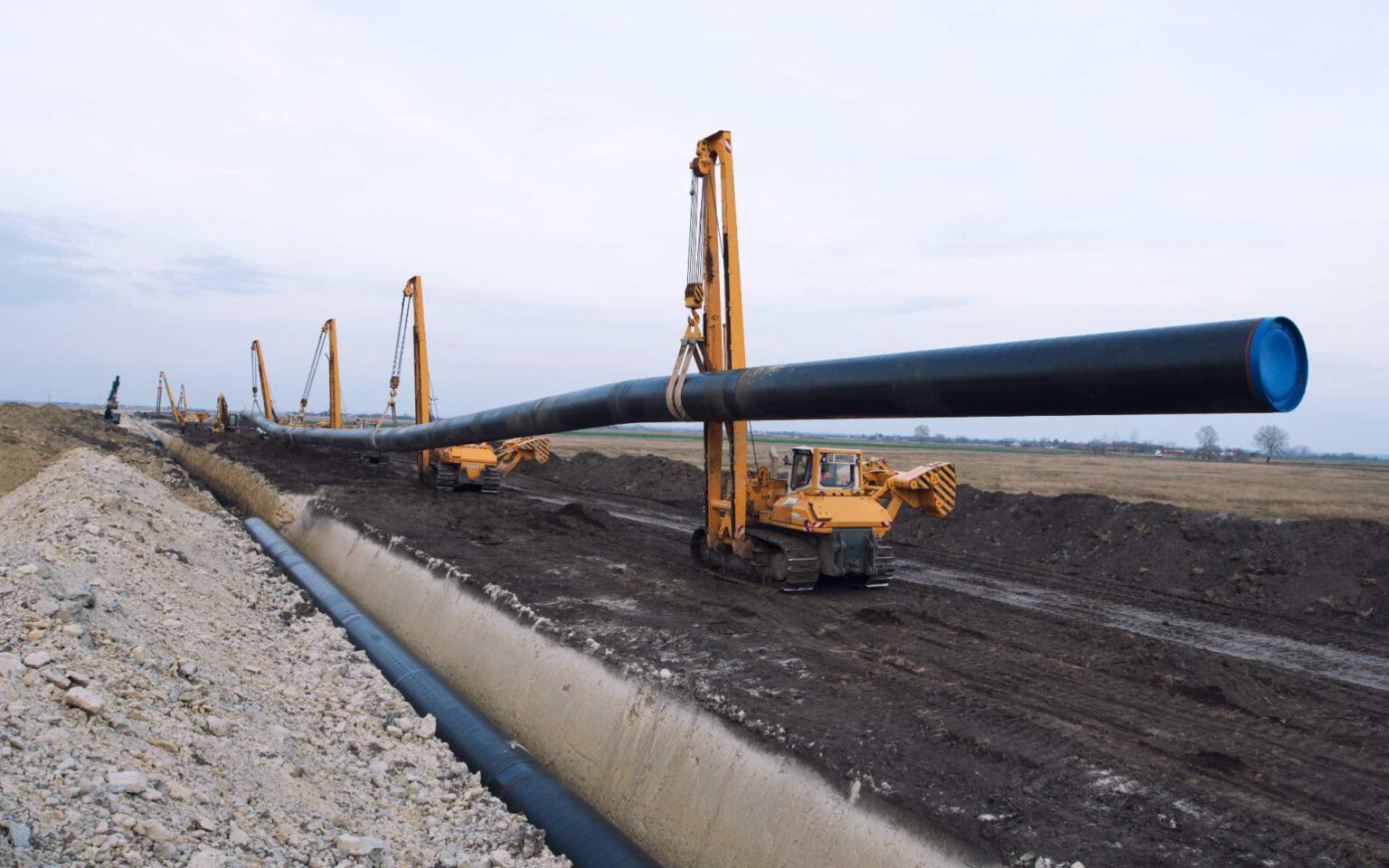
The cost of the ambitious East African Crude Oil Pipeline (EACOP), a flagship project linking Uganda’s oil fields to Tanzania’s Indian Ocean port of Tanga, has surged to US$5.65 billion – up from an initial estimate of US$3.5 billion.
Various media outlets have quoted the Permanent Secretary in the Mi nistry of Energy, James Mataragio, confirming the cost escalation. Mr. Mataragio also revealed that the project is now 65 percent complete and is expected to come online in July 2026.
Led by French energy giant TotalEnergies, the 1,443-kilometre pipeline is designed to transport up to 216,000 barrels of crude oil per day from Uganda’s Tilenga and Kingfisher fields to Tanzania’s coastline, unlocking a new export route and boosting regional energy trade.
The project is one of the largest infrastructure investments in East Africa’s history and a cornerstone of Tanzania’s energy and logistics ambitions.
However, the significant cost escalation – now over 60 percent higher than originally planned – raises questions about financing, return on investment and environmental management.
Rising costs and delays
According to Mr. Mataragio, the cost hike is largely attributed to “escalating global commodity prices, currency fluctuations and environmental compliance requirements.”
Construction is progressing steadily, he said, and the Tanzanian government remains “satisfied with the implementation of the project so far.”
The pipeline was initially slated for completion by 2025, but the timeline has now been extended by at least one year.
TotalEnergies holds a 62 percdent stake in the project, while China National Offshore Oil Corporation (CNOOC) owns 8 percent.
Tanzania Petroleum Development Corporation (TPDC) and the Uganda National Oil Company (UNOC) each hold 15% stakes.
Economic implications
Despite the rising costs, the Tanzanian government sees EACOP as a transformational project with long-term benefits.
The pipeline is expected to stimulate foreign direct investment, create thousands of jobs, and boost Tanzania’s GDP through transit fees, services, and auxiliary infrastructure development.
At full operation, the pipeline will generate significant revenues for Tanzania through taxes, royalties, and pipeline tariffs.
It is also seen as a catalyst for developing the Tanga port, which is undergoing expansion to support increased logistical activity.
Moreover, the project places Tanzania at the centre of a strategic energy corridor linking Central Africa’s resources to global markets.
It enhances the country’s positioning as a regional energy hub, potentially attracting downstream investments in storage, refining, and petrochemicals.
Environmental and social scrutiny
However, the project has drawn criticism from environmental groups, rights organisations and some international investors.
Concerns include land acquisition disputes, risks to biodiversity, and the potential impact on climate goals. Several banks and insurers initially distanced themselves from EACOP due to these concerns, though TotalEnergies has maintained that the project complies with international environmental and human rights standards.