By Business Insider Reporter
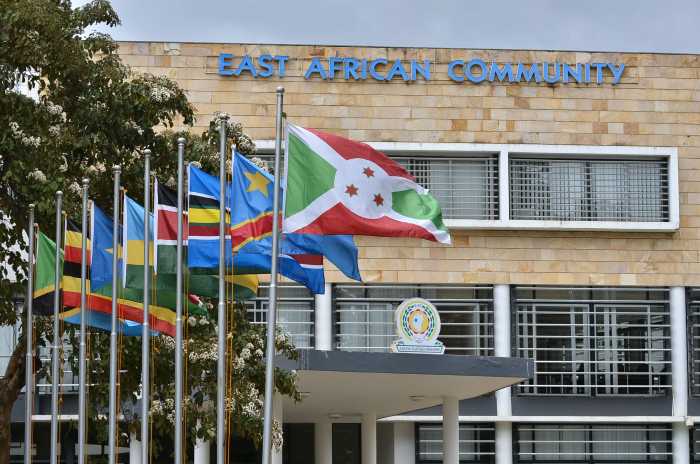
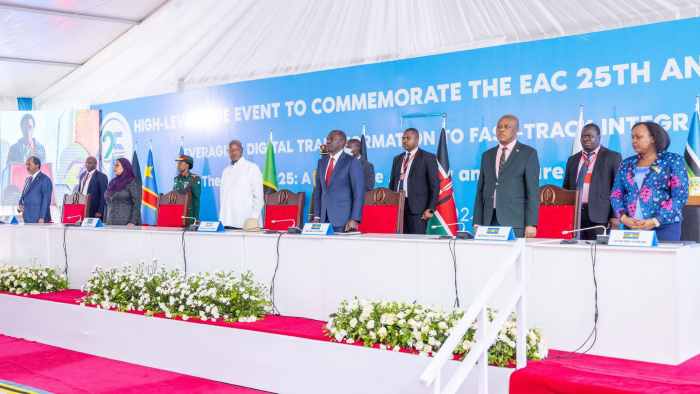
The East African Community (EAC) Heads of State will convene for their 25th Ordinary Summit on March 7, 2026 in Arusha, Tanzania, at a time when the Community is grappling with mounting financial pressures.
Held under the theme “Deepening Integration for Improved Livelihoods of EAC Citizens,” the high-level meeting comes as Partner States confront slowing growth, rising public debt burdens, currency pressures and persistent cost-of-living challenges that continue to strain citizens and enterprises alike.
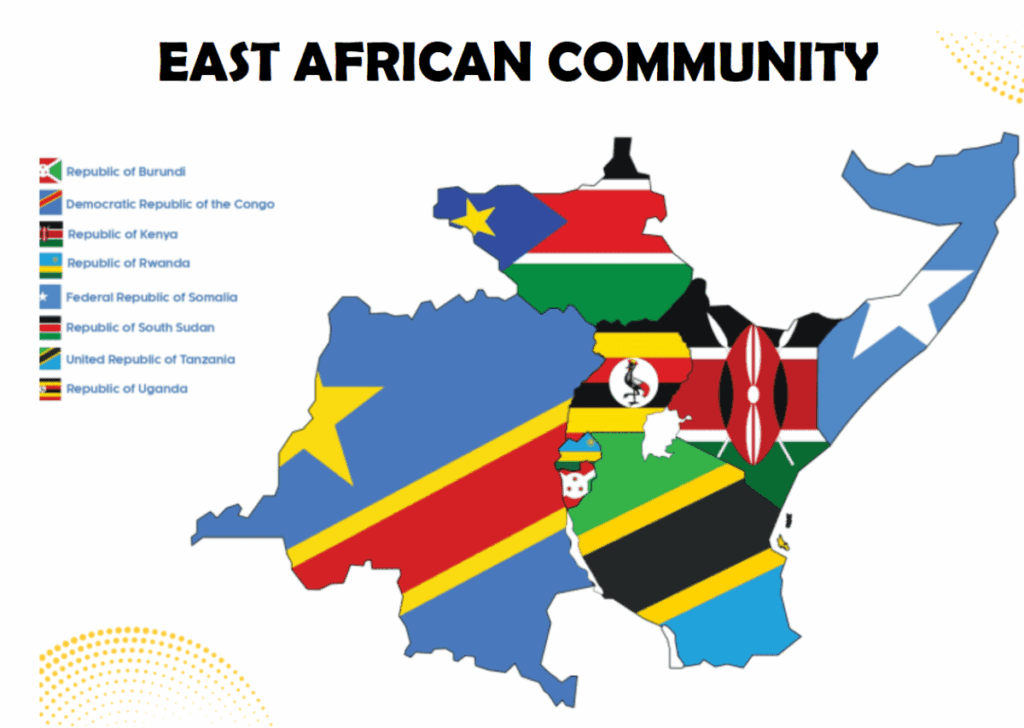
The Summit, the highest decision-making organ of the East African Community, will bring together leaders from the bloc’s eight Partner States to review progress on integration, adopt new policy measures and chart a path towards stronger regional competitiveness.
Financial pressures weighing on the bloc
Across East Africa, governments are facing tightening fiscal space, driven by elevated debt servicing obligations, infrastructure financing commitments and weaker global demand.
Businesses, particularly small and medium-sized enterprises, continue to cite high borrowing costs, currency volatility and trade barriers as major constraints to expansion.
Meanwhile, households are contending with elevated food and energy costs, youth unemployment and constrained disposable incomes – issues that have sharpened the urgency of delivering tangible economic benefits from regional integration.
Against this backdrop, the Arusha Summit is expected to focus on practical mechanisms that can reduce trade costs, improve revenue efficiency and stimulate intra-regional commerce.
Launch of the EAC customs bond
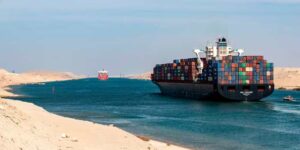
A key highlight of the Summit will be the launch of the EAC Customs Bond – a single regional customs guarantee replacing the current system that requires multiple national bonds along transit routes.
Under the new framework, traders and clearing agents will secure one bond recognised across all Partner States, rather than arranging separate guarantees in each transit country.
The system is designed to reduce compliance costs, cut border delays and protect government revenue.
For businesses facing liquidity constraints and high financing costs, the reform could ease working capital pressure by lowering transaction expenses and accelerating cargo clearance times.
For governments, the harmonised system is expected to reduce revenue leakages and enhance customs coordination.
Regional trade experts argue that improving transit efficiency is critical at a time when export earnings and foreign exchange reserves remain under strain in several Partner States.
A new five-year development strategy
The Summit will also officially launch the 7th EAC Development Strategy (2026/27–2030/31), which sets the regional bloc’s strategic priorities for the next five years.
The plan aligns with EAC Vision 2050, the African Union Agenda 2063 and the Sustainable Development Goals.
The strategy is expected to prioritise industrialisation, value addition, infrastructure connectivity and private sector development – all seen as essential to cushioning the region from external shocks and reducing dependence on primary commodity exports.
EAC Secretary General Veronica Nduva described the Summit as a critical platform for collective leadership.
“The Summit of the EAC Heads of State remains the most important platform for guiding the Community’s integration agenda,” she said ahead of the meeting, noting that the Customs Bond and new Development Strategy reflect a shift towards practical solutions that strengthen economic resilience.
Sustainable financing under scrutiny
Another key agenda item is the modality for implementing a directive from the previous Summit on sustainable financing of the EAC budget, based on a 65 percent equal contribution and 35 percent assessed contribution formula.
The financing debate comes amid growing concern over delayed remittances by some Partner States and the need to reduce overreliance on donor funding.
Strengthening the Community’s own-resource base is increasingly viewed as critical for institutional stability and programme continuity.
Analysts note that without predictable financing, ambitious regional programmes – from infrastructure corridors to trade facilitation reforms -risk stalling.
Integration as an economic buffer
The economic logic behind deeper integration is becoming more urgent. With global trade fragmentation, tightening financial conditions and geopolitical uncertainties affecting capital flows, East Africa’s ability to leverage its internal market of over 300 million people may determine the pace of recovery and long-term stability.
If successfully implemented, reforms such as the Customs Bond could lower the cost of doing business, stimulate cross-border supply chains and support job creation – offering some relief to communities currently struggling with income pressures.
However, economists caution that integration gains must translate into measurable improvements in livelihoods – including reduced trade costs, improved food security and expanded employment opportunities – to maintain public confidence in the regional project.
Leadership decisions and institutional renewal
Beyond economic reforms, the Summit will also appoint a new Secretary General, judges to the East African Court of Justice, and commissioners to key regional institutions, decisions that could shape the governance trajectory of the bloc during a financially delicate period.
An extraordinary meeting of the EAC Council of Ministers is already underway in Arusha ahead of the Heads of State gathering. As leaders prepare to deliberate, expectations are high that the Arusha Summit will deliver not only policy declarations but actionable measures capable of easing financial stress across the region. For businesses and citizens alike, the ultimate test will be whether deeper integration translates into lower costs, greater stability and improved livelihoods in a challenging economic climate.