By Peter Nyanje, Dodoma
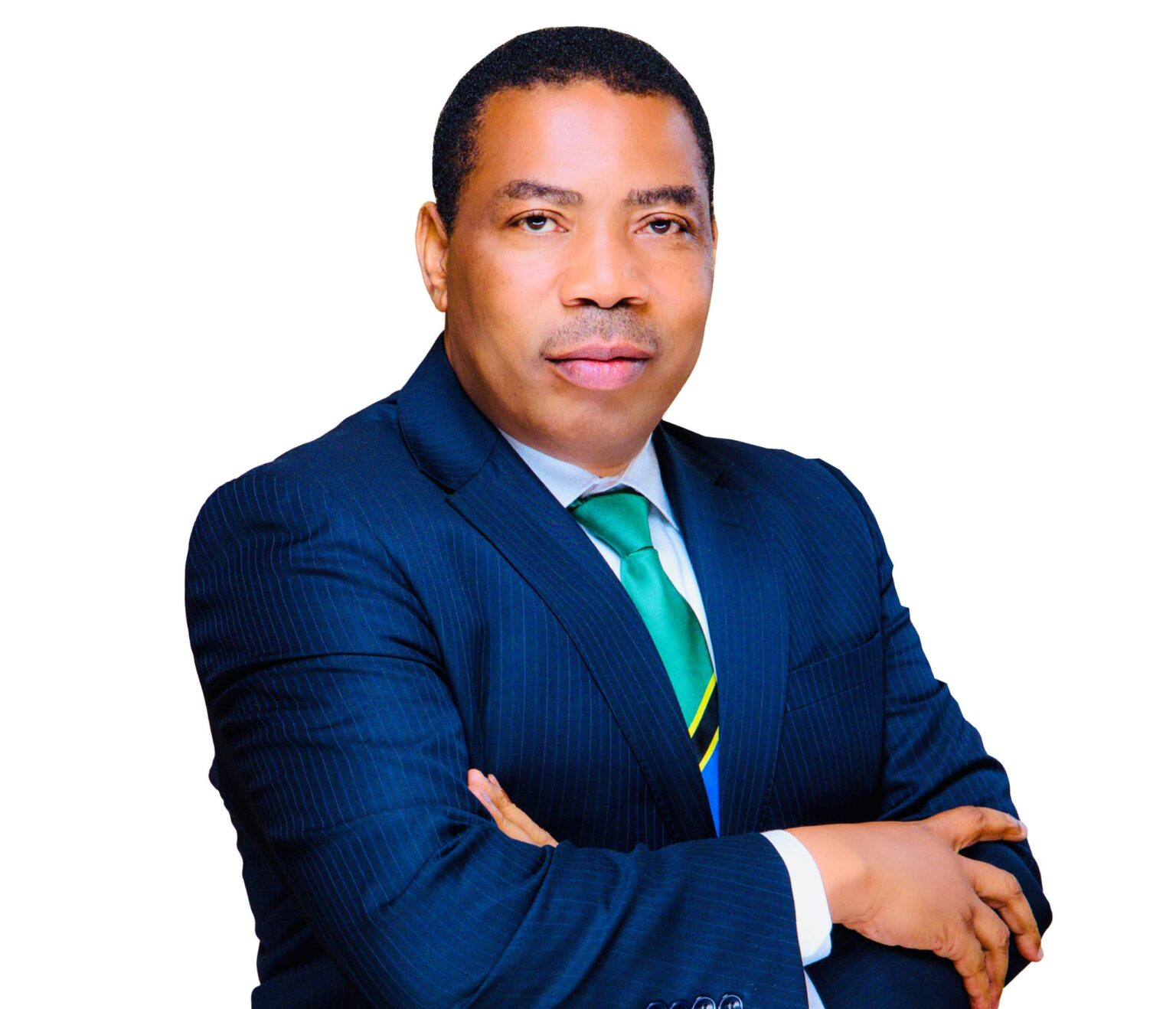
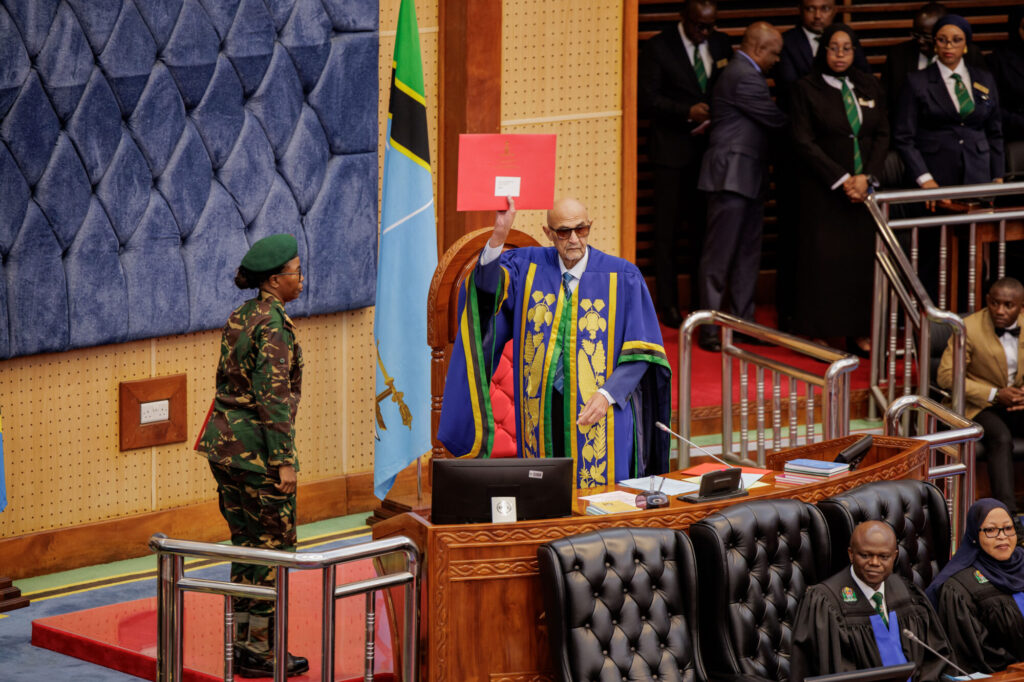
In a move that blends technocratic expertise with political pragmatism, President Samia Suluhu Hassan on Thursday November 13, 2025 named Dr. Mwigulu Lameck Nchemba as the new Prime Minister of the United Republic of Tanzania.
Dr. Nchemba, 50, a seasoned economist and long-serving cabinet member, takes over the premiership at a moment when Tanzania is recalibrating its economic and governance trajectory – balancing rapid investment inflows with calls for deeper accountability, inclusivity and democratic space.
His nomination, endorsed overwhelmingly by Parliament by 369 of the 371 votes cast by MPs (2 votes were spoilt and there was no vote), was met with bipartisan goodwill and cautious optimism from both ruling-party stalwarts and opposition members.
A Prime Minister with economic depth
Before his elevation, Dr. Nchemba served as Minister for Finance and Planning – a position in which he steered the country through global fiscal headwinds, including pandemic-era shocks and tightening foreign aid flows.
An economist by training with a PhD from the University of Dar es Salaam, Nchemba is widely respected for his grasp of macro-economic policy, public finance and fiscal discipline.
Attorney General Hamza Johari, who has worked closely with Nchemba in cabinet, describes the new Prime Minister as “a steady hand who understands both the law and the economy – someone who can translate fiscal strategy into real governance outcomes.”
According to Johari, the new administration will likely emphasise structural reforms aimed at accelerating investment while strengthening public accountability – a continuation of President Samia’s reform agenda under the next government.
Political support and human touch
Veteran politician William Lukuvi praised the appointment, noting that “Mwigulu is a dedicated person who has served wananchi well.” His comment echoes a common sentiment across the ruling Chama cha Mapinduzi (CCM) ranks -that Nchemba brings both experience and integrity to the premiership.
Another veteran MP, Jenista Mhagama added that; “Mwigulu is easily accessible as a leader,” a quality that has earned him favour among civil servants and local government leaders alike.
From the minority benches, Ado Shahibu of the ACT-Wazalendo signalled constructive cooperation, saying; “We from that minority support his appointment. We hope that he will supervise implementation of strategies which will improve democracy in the country.”
Such rare cross-party endorsement positions Dr. Nchemba as a potential bridge-builder in a Parliament often marked by partisan contestation.
A sportsman and a symbol of the new generation
Beyond politics and economics, Dr. Nchemba is known for his love of football and athletics – traits that humanise his public image and resonate with younger Tanzanians.
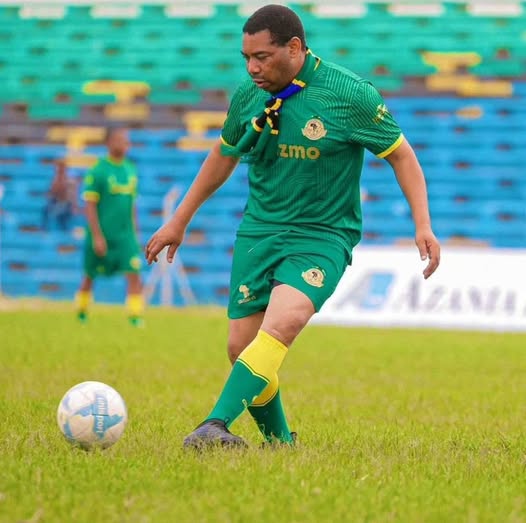
Shahibu noted that; “Being a sportsman, we hope his appointment will elevate sports in the country.” This sentiment reflects a growing expectation that the new administration may renew attention to youth development, sports infrastructure, and the creative economy – areas long overshadowed by heavy economic priorities.
Balancing growth and democracy
Dr. Nchemba’s appointment arrives amid a broader conversation on governance and civic space. Over the past two years, President Samia’s government has opened dialogue with opposition parties, civil society, and the media – reversing some of the restrictive tendencies of previous administrations.
As a Prime Minister with a technocratic profile and political maturity, Dr. Nchemba is expected to advance this delicate balance: sustaining high growth through industrialisation and infrastructure expansion, while ensuring that governance reforms deepen democratic participation.
Continuity with change
Dr. Nchemba’s career mirrors Tanzania’s post-liberalisation evolution: from economic stabilisation to developmental statehood. As Finance Minister, he championed digital public procurement systems, fiscal transparency and stronger local-revenue mobilisation – reforms that aligned with regional digital-governance trends.
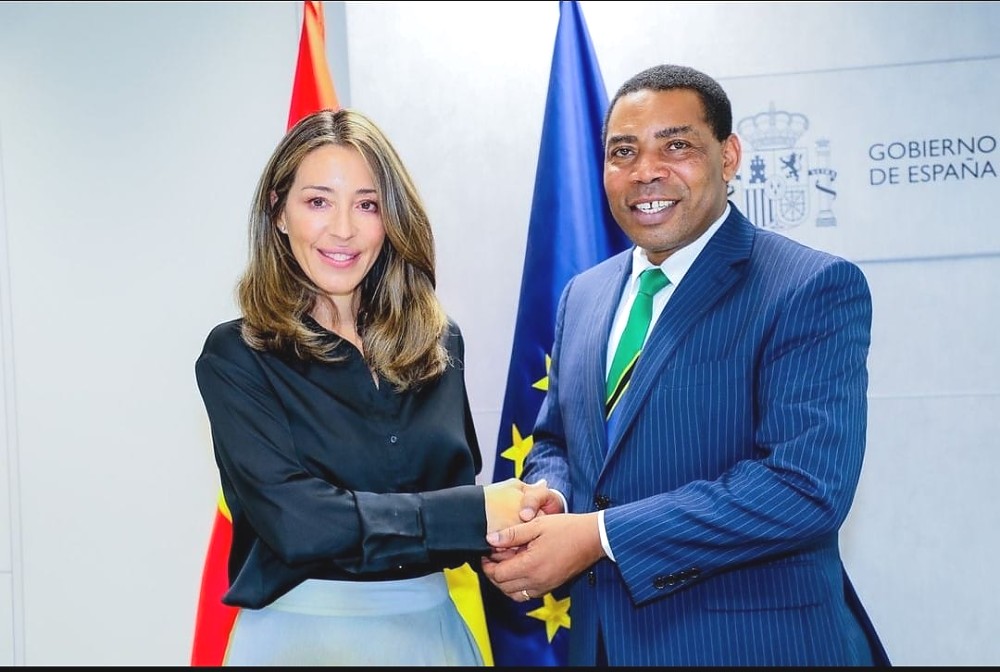
He also served as Finance Minister during a period when the country was undertaking a lot of major strategic projects. MPs hailed his leadership at the ministry during that period as none of the projects stumbled.
Analysts believe these reforms will now gain greater traction under his premiership, especially with his deep understanding of both policy design and on-the-ground implementation.
His rural roots in Singida, central Tanzania, also reinforce the administration’s message of inclusion. In his constituency, he is often seen engaging with smallholder farmers, women’s groups, and youth cooperatives – a sign that his leadership style blends economic data with social empathy.
Policy stability and renewed confidence
Markets and policy watchers view Dr. Nchemba’s appointment as a signal of stability. The Tanzanian shilling has held firm in recent months, inflation remains contained, and fiscal reforms are ongoing.
International partners – including the IMF, World Bank, and African Development Bank – are expected to maintain strong cooperation with the new government, as witnessed in recent World Bank and IMF meetings in Washington.
However, the challenges remain formidable: high youth unemployment, uneven regional development, and the need for greater transparency in public procurement and debt management.
The bigger picture
Dr. Mwigulu Nchemba’s appointment as Prime Minister marks not just a political reshuffle, but a generational and structural shift in Tanzania’s governance.
It reflects President Samia’s broader strategy of anchoring her administration in technocratic competence, social inclusivity and economic reform – a combination designed to consolidate growth while renewing public trust.
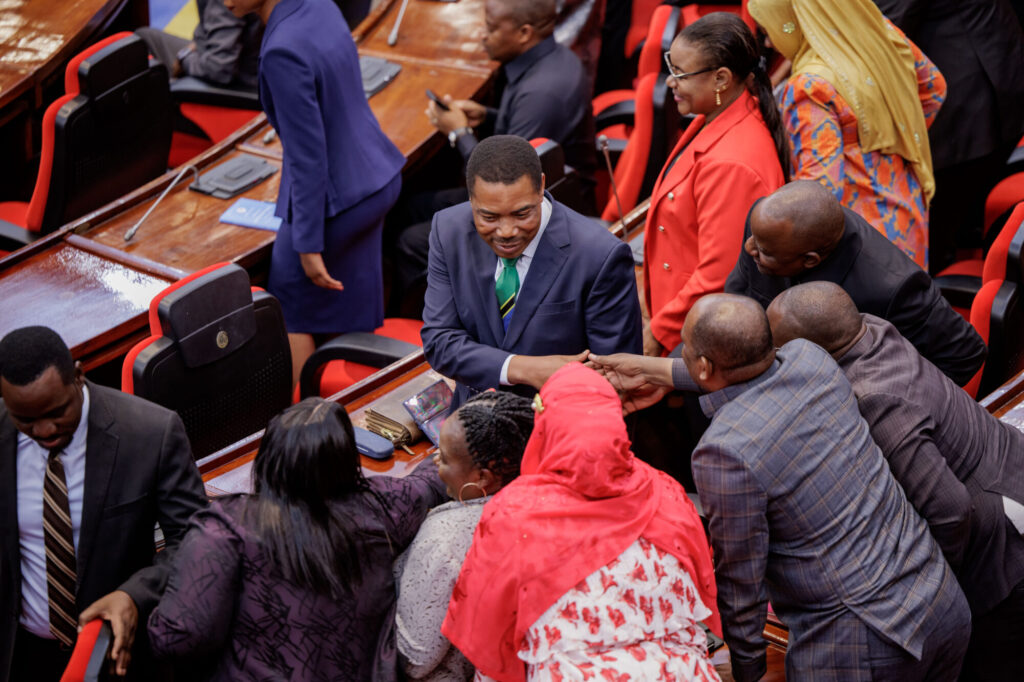
As one AG Johari remarked after the vote, “Mwigulu represents the bridge between economics and people’s lives.”
If he manages to deliver on that promise – combining fiscal prudence with social progress – his tenure may well define the next chapter of Tanzania’s democratic and developmental journey.
Dr. Nchemba pledges to deliver
In his acceptance speech, Dr Mwigulu Nchemba congratulated President Samia Suluhu Hassan on her victory in the general election, describing her as a results-oriented leader who genuinely means well for Tanzanians.
He praised her for fast-tracking the implementation of the Julius Nyerere Hydropower Project, a landmark initiative that has effectively ended power shortages in the country.
Dr. Nchemba also commended the President’s commitment to improving public health, recalling how, upon assuming office, she prioritised the construction of dispensaries and health centres nationwide to curb the high rate of maternal deaths.
He expressed gratitude for his appointment, describing it as a “great trust bestowed upon me by the President and the people of Tanzania.” “I understand the weight of this responsibility and the expectations of both the President and Tanzanians,” he said. “I will strive to ensure that I meet those expectations.”