By Business Insider Reporter
Beneficiaries of capital support through the CookFund project – implemented under the international Integrated Approach to Sustainable Clean Cooking Solutions by the United Nations Capital Development Fund (UNCDF) in partnership with the European Union (EU) – have been urged to channel their investments into the production and distribution of small gas cylinders of three kilogrammes or less.
The initiative seeks to make it easier for low-income households to transition from charcoal and firewood to clean cooking energy.
Speaking during his inspection tour of clean cooking energy projects in Mwanza, the Director for Clean Cooking Energy at the Ministry of Energy, Mr. Nolasco Mlay, emphasised the need for CookFund beneficiaries to invest in technologies that directly impact people’s lives.
“We need to see CookFund beneficiaries investing in solutions that make clean cooking accessible to every household. Smaller cylinders offer an affordable and practical way for more people to start using gas instead of charcoal or firewood,” said Mr Mlay.
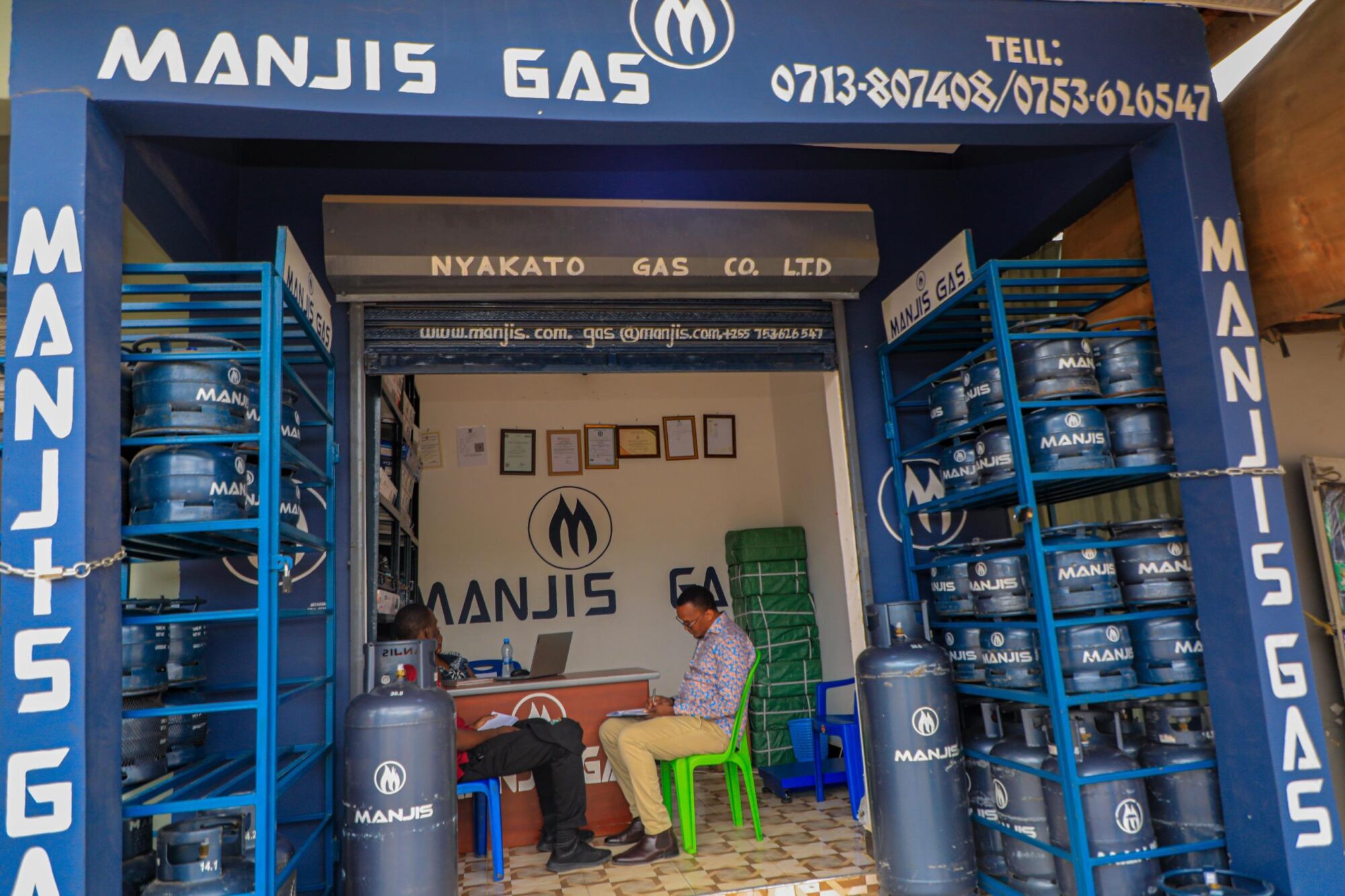
During his visit, Mr Mlay met with local gas distributors who have received capital and technical support through the CookFund to expand their businesses. The programme empowers small and medium-sized enterprises (SMEs) to improve the availability and affordability of clean cooking energy solutions across Tanzania.
He commended the traders for selling subsidised gas cylinders and ensuring timely service delivery, while urging them to focus on offering smaller cylinders ranging from one to three kilogrammes to reach a wider customer base.
Mr. Mlay further called on all clean energy stakeholders to adopt smart meter technology in areas that have yet to implement it.
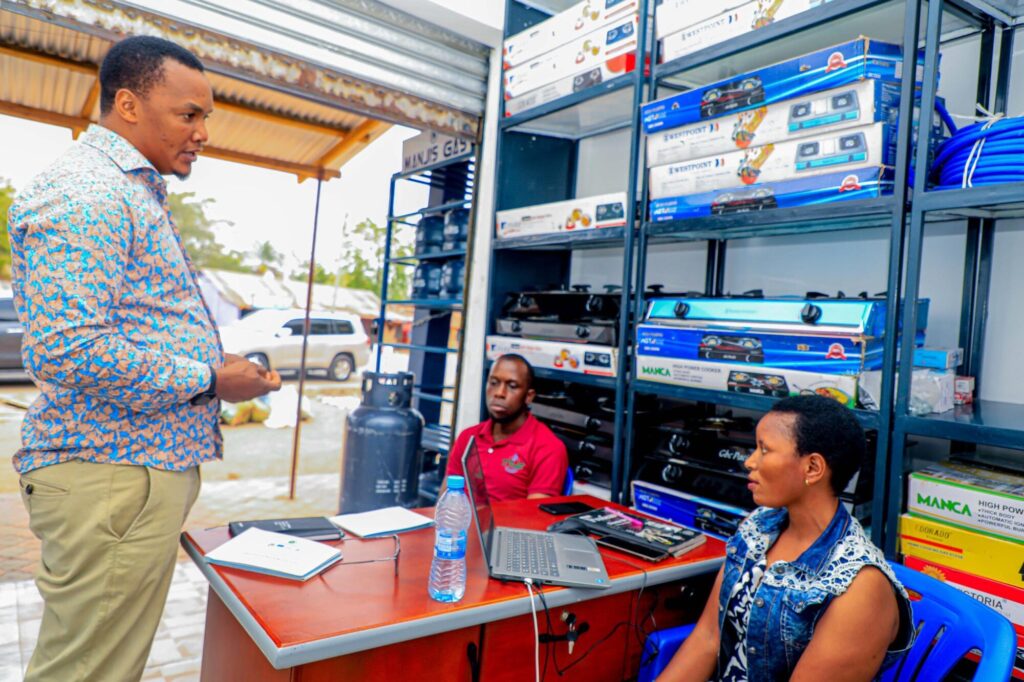
The smart meters will enable digital payment options, allowing consumers to purchase gas in small quantities – similar to the prepaid LUKU electricity system.
“We must ensure clean cooking energy is accessible, affordable, and convenient for every Tanzanian. With smart meters, citizens will be able to buy gas in small, manageable amounts – just like they do with electricity – helping eliminate the high costs and logistical challenges of refilling gas cylinders, especially for low-income households,” he stressed.
He also encouraged the public to embrace clean and sustainable energy sources, including gas, electricity, biogas, and alternative charcoal, for improved health and environmental conservation.
On their part, gas cylinder retailers reported a strong response from customers, noting that many households are shifting to clean cooking options. Some residents have been able to purchase cylinders through flexible payment plans or small loans, helping them move away from the use of firewood and charcoal. The CookFund project continues to play a key role in Tanzania’s efforts to expand access to affordable, safe, and sustainable cooking energy – supporting both economic empowerment and environmental protection.