By Business Insider Reporter
Tanzania is making bold strides in its clean energy transition as the adoption of clean cooking solutions rises sharply, setting the stage for a healthier population and greener economy.
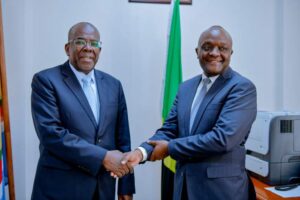
According to the Permanent Secretary in the Ministry of Energy, Engineer Felchesmi Mramba, the use of clean cooking energy in Tanzania has grown from 6.9 percent in 2021 to 20.3 percent in 2025.
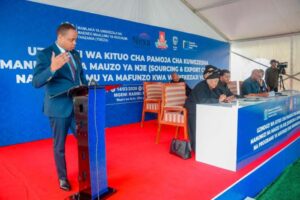
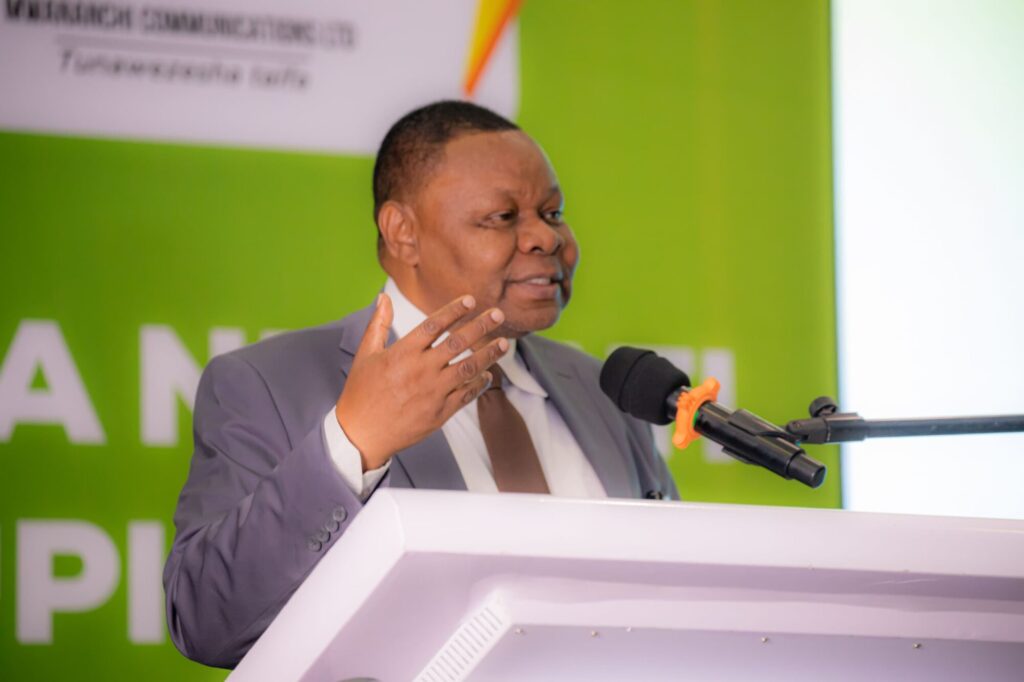
Speaking in Dar es Salaam during the launch of the Clean Cooking Energy Conference – organised by Mwananchi Communications in partnership with the Ministry of Energy and private stakeholders – Mramba emphasised that the government’s long-term goal is to reach 80 percent penetration by 2034.
“Clean cooking is not just a theoretical debate; it is about saving lives, protecting the environment, and strengthening the economy. At its core, it is about inclusive development,” he stated.
The human cost of traditional fuels
Currently, over 33,000 Tanzanians die annually from respiratory illnesses linked to smoke inhalation caused by the use of firewood and charcoal.
Traditional cooking fuels remain a dominant source of household energy, especially in rural areas, where poverty and lack of alternatives perpetuate reliance on biomass.
The health burden is not only severe but also costly. The World Bank estimates that household air pollution leads to productivity losses equivalent to over 3 percent of Tanzania’s GDP annually.
Women and children are disproportionately affected, as they spend long hours collecting firewood and are most exposed to harmful smoke.
A national clean cooking strategy
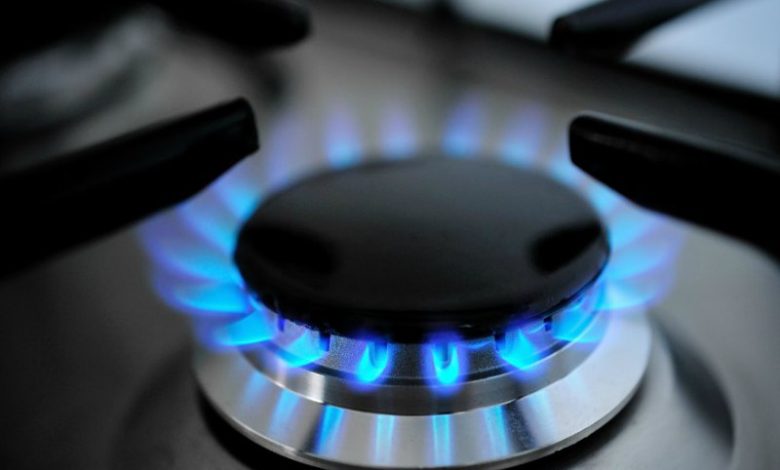
To tackle this challenge, the government launched the National Clean Cooking Strategy (2024–2034) in May 2024. The strategy is designed to accelerate adoption of affordable clean energy technologies, including liquefied petroleum gas (LPG), compressed natural gas (CNG), electricity and improved biomass stoves.
The plan, spearheaded under the leadership of President Samia Suluhu Hassan, has attracted global recognition. President Samia has been lauded as a continental champion of clean cooking, advocating for climate-friendly energy solutions in international forums, including the UN Climate Summit.
Investment and business opportunities
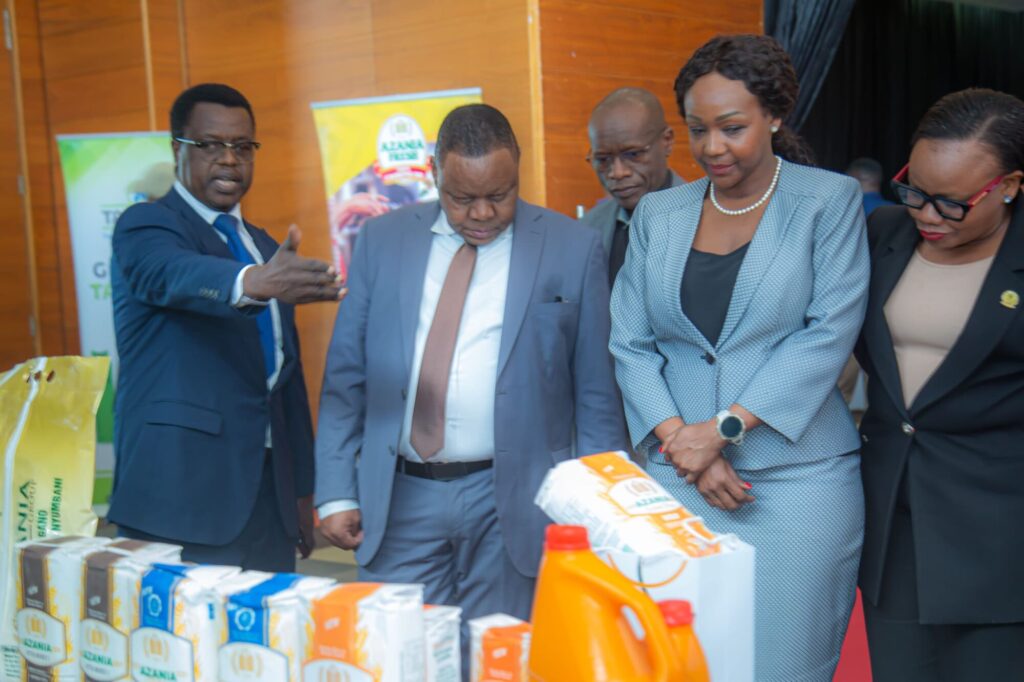
The clean cooking sector is increasingly attracting private sector players.
Local companies are scaling up LPG distribution networks, while international investors are eyeing opportunities in Tanzania’s growing renewable energy space.
The government has also signalled policy incentives to encourage private-public partnerships, including VAT exemptions on clean cooking equipment and subsidies for low-income households.
Development partners such as the World Bank, the African Development Bank, and the Clean Cooking Alliance are also backing Tanzania’s ambition, with multi-million-dollar funding pipelines to support infrastructure, research, and awareness campaigns.
Mramba highlighted that progress will rely on continued collaboration:
“The government cannot do it alone. It requires strong partnerships with the private sector, development partners, and civil society to deliver clean, safe, and affordable energy to every Tanzanian home.”
With nine years left to achieve the 80 percent access target, the push for clean cooking is expected to generate both social and economic dividends.
It promises to reduce health costs, create jobs in the energy sector, and ease the strain on Tanzania’s forests, where rampant deforestation is driven by charcoal production. As Tanzania advances towards its 2034 target, the clean cooking movement is not just an energy initiative – it is a cornerstone of sustainable development, touching on health, environment, gender equality, and industrial growth.