By Business Insider Correspondent, Cape Town
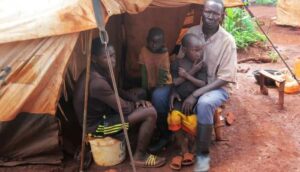
For many families across Africa, fetching water is still a daily struggle – one that defines whether children make it to school, whether mothers have time for income-generating work, and whether communities thrive or simply survive. Against this backdrop, African leaders, investors and global partners converged in Cape Town this month for the AU-AIP Water Investment Summit 2025, where they pledged between USD 10–12 billion annually to transform the continent’s water sector.
The pledges, while historic, address only a fraction of Africa’s US$ 30 billion annual water financing gap.
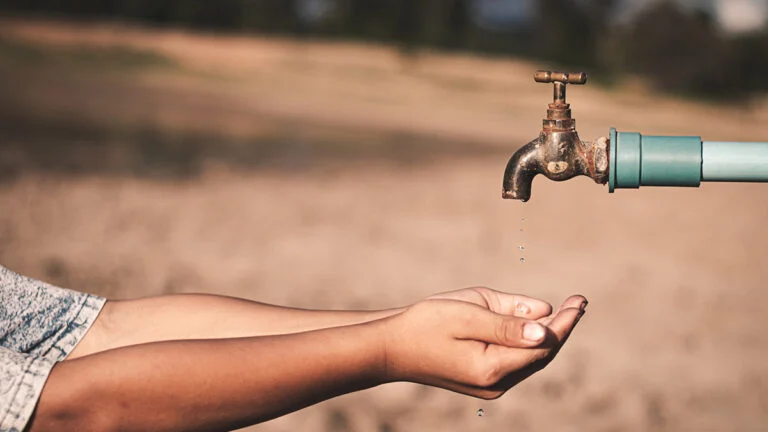
For millions in rural and peri-urban areas, taps remain dry, boreholes break down, and sanitation facilities are scarce. President Cyril Ramaphosa, presiding under South Africa’s G20 presidency, framed water as more than a basic need: “Water can become not just a means of survival but a driver of economic transformation, innovation and peace”.
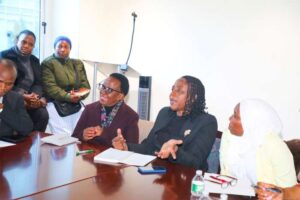
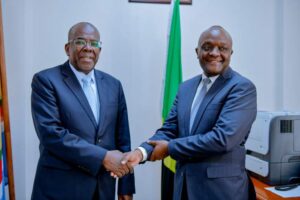
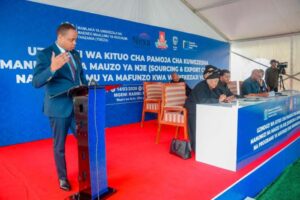
At the Summit, African Union Commissioner, Moses Vilakati, stressed that Africa must move from commitments to accountability.
Weak governance, patchy data, and limited capacity have long hindered water services.
To counter this, the Summit adopted the Cape Town Declaration on Africa Water Investment, committing governments to better governance and transparency while mobilising capital.
Ordinary Africans, however, remain at the heart of this debate.
In rural Tanzania, President Samia Suluhu Hassan was honoured for her government’s bold US$ 6 billion pledge to expand water access domestically by 2030.
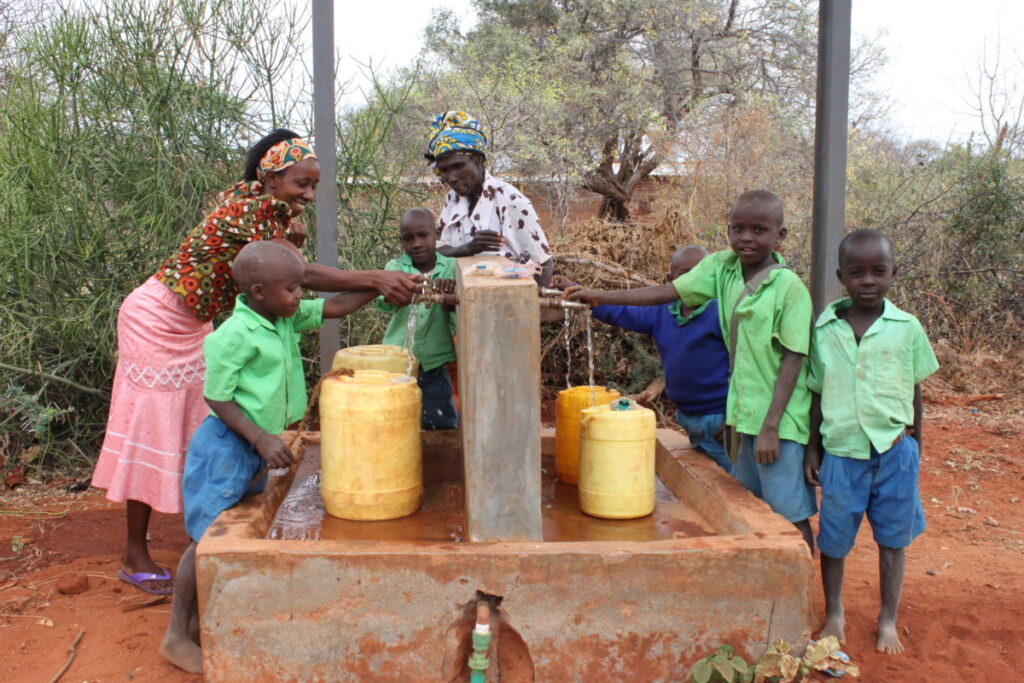
For villagers in Dodoma, this means more than policy jargon – it promises fewer hours spent walking for water and better chances for small businesses to thrive.
The Summit also launched the Global Outlook Council on Water Investments, chaired by leaders including former Tanzanian President Jakaya Kikwete and Barbados Prime Minister Mia Mottley, to ensure that commitments are tracked and financing sustained.
“These are not just committees; they are instruments to mobilise capital at scale,” Kikwete said.
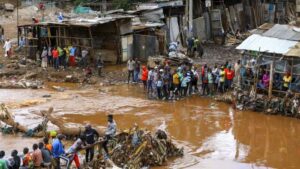
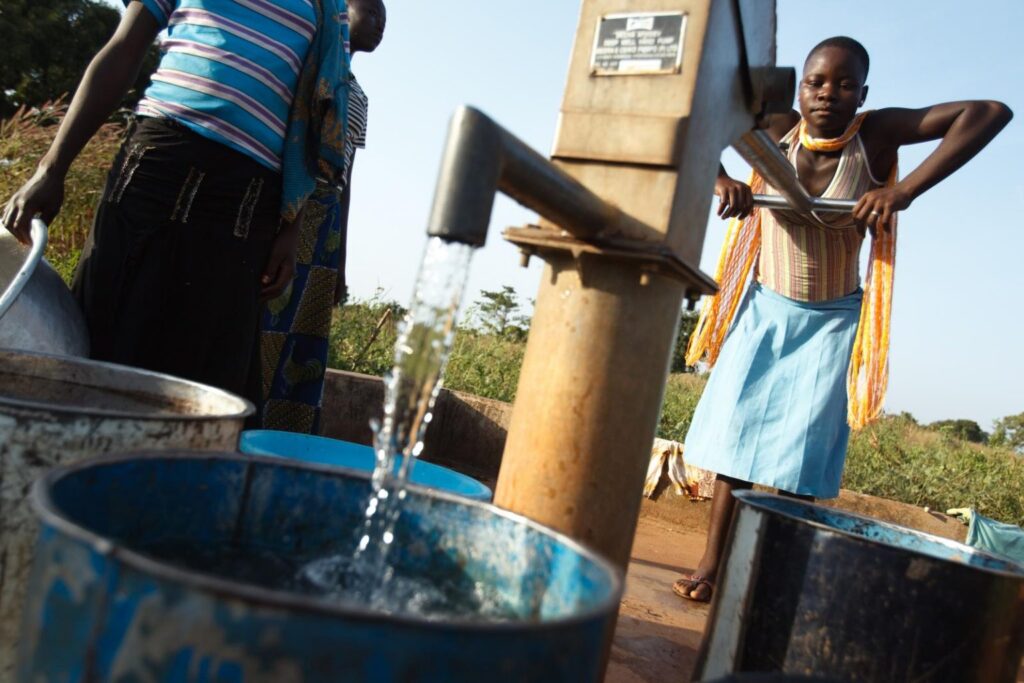
Yet, as experts warned, capital alone will not close Africa’s water gap. Infrastructure must reach the last mile, where women still carry jerrycans on their heads and children miss school during droughts. Investments must also consider climate resilience, as floods and prolonged dry seasons increasingly disrupt water supplies.
For now, the Summit offers a moment of optimism. If its promises translate into pipes, taps, and working toilets, it could mark a turning point in Africa’s journey toward safe water for all. But for Aisha, a 12-year-old girl in rural Malawi, the real test is simple: “When will I stop missing school because I have to fetch water?”