By Business Insider Correspondent, Addis Ababa
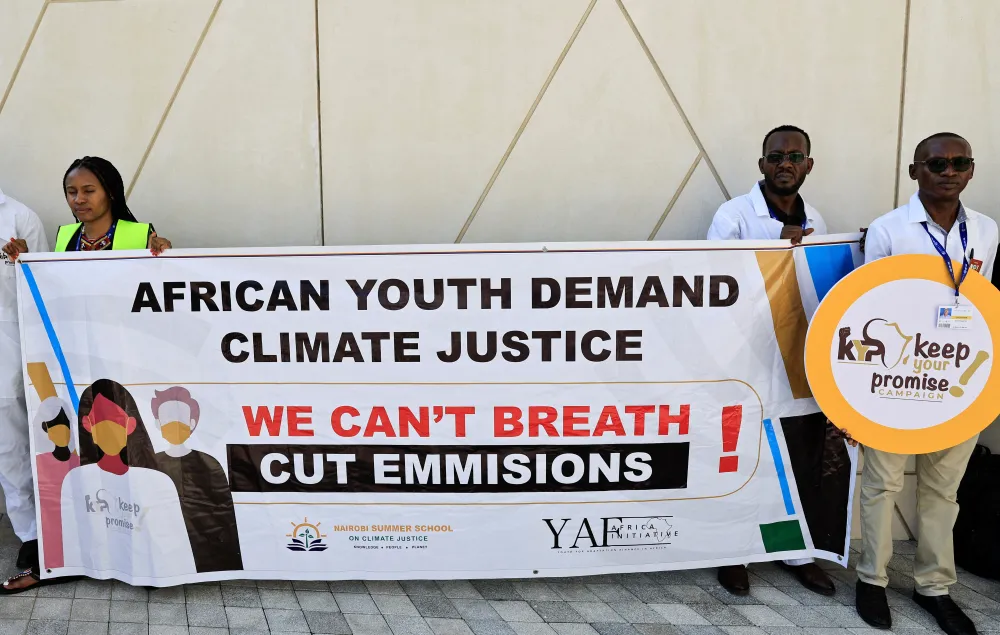
A new voice is rising at Africa’s most important climate gathering this year – the voices of children. At the Africa Climate Summit in Addis Ababa, over 60 children from 16 African countries have stepped forward to demand a seat at the table, urging leaders to recognize that they are not just victims of climate change but stakeholders with solutions.
Supported by child rights organisations including Save the Children, the young advocates are calling for the creation of an African Children’s Climate Council to ensure that policies reflect children’s lived experiences, particularly in education, health, and food security.
Children on the frontlines of climate impacts
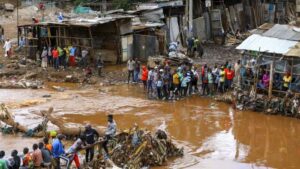
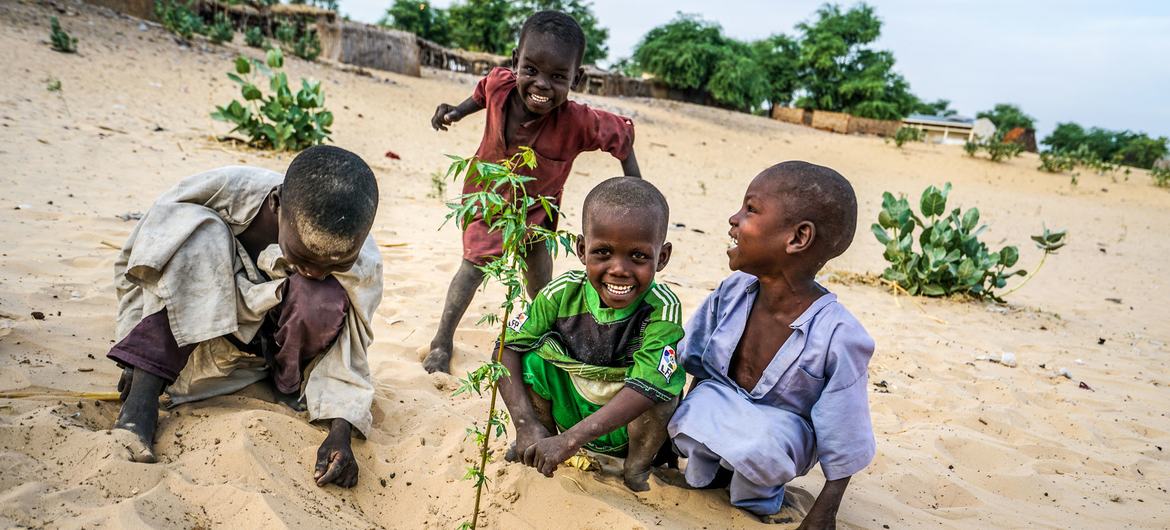
Africa is warming slightly faster than the global average, with devastating effects on food production, water resources, and public health. Children are among the most exposed. Cyclones, heatwaves, floods, and prolonged droughts are damaging schools, displacing families, and pushing children into risks such as child marriage, child labour, and malnutrition.
Claire, a 14-year-old from Rwanda, shared how climate change has upended her schooling:
“Heavy rains damage classrooms, disrupting our education. Extreme heat destroys household crops, leaving children hungry. We are paying the price for a crisis we did not cause.”
Her words mirror the struggles of millions of children across the continent whose education and wellbeing are increasingly at risk.
Climate-resilient schools and new solutions
At the Summit, children are proposing tangible, child-focused solutions:
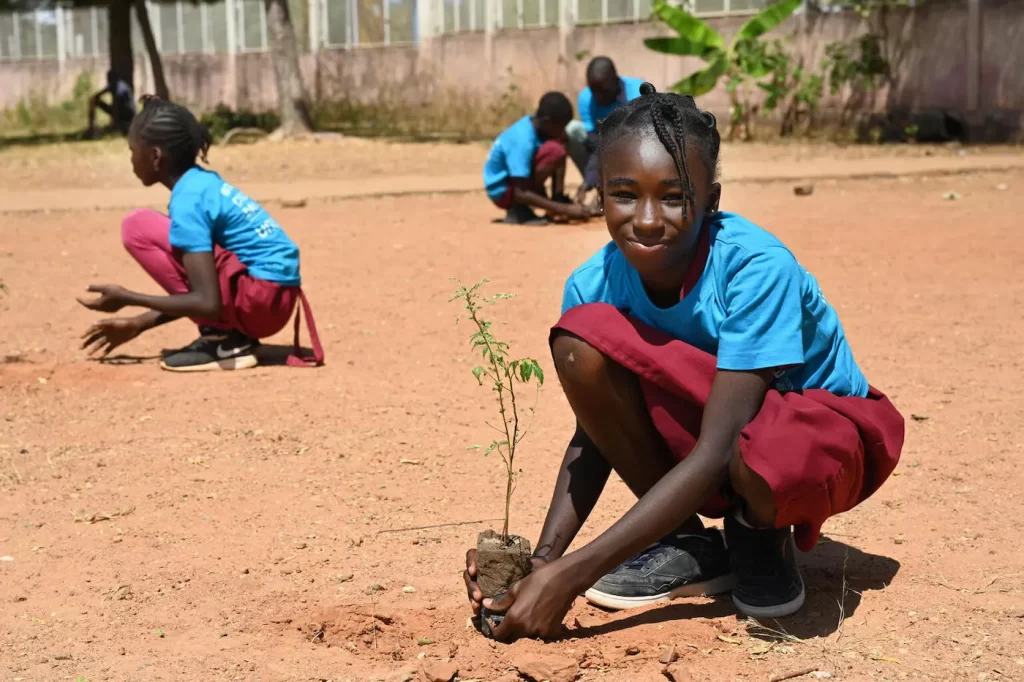
- Building climate-resilient schools with solar power, heat-resistant materials, and water-saving systems.
- nExpanding school feeding programs with nutritious, climate-smart meals.
- Promoting school gardens and farms to improve food security and resilience.
- Integrating climate literacy and green skills into school curricula.
- Offering mental health counselling to address climate anxiety and trauma.
Nafisa, 17, from Somalia, said: “If leaders want to prevent children’s suffering, they must listen to us – but listening is not enough. We don’t just need words, we need action.”
A call for investment in children
Despite children’s vulnerability, less than 2 percent of global climate financing is directed toward child-specific interventions.
Advocates argue that Africa’s green transition cannot be achieved without placing children at the center.
“Investing in children means protecting their right to education, integrating climate literacy into schools, and reaching the most vulnerable,” said Malama Mwila, Senior Child Rights Advocacy Advisor for Save the Children. “If we equip children with the skills and resilience they need today, we are securing the continent’s future.”
A generation ready to act
From Niger, 14-year-old Mounira summed up the spirit of Africa’s young climate leaders:
“We are not too young to understand. We analysed our vulnerabilities and adaptation capacities. We know what our communities face. Give us the means to act.”
As negotiations continue in Addis Ababa, children’s demands are forcing leaders to confront an uncomfortable truth: climate action that ignores the continent’s youngest generation risks leaving Africa’s future unprotected.
For the first time at an Africa Climate Summit, children are not only raising their voices – they are laying out a roadmap for schools, communities, and governments to adapt to a changing climate. Whether leaders listen could define the resilience of an entire generation.