By Business Insider Reporter
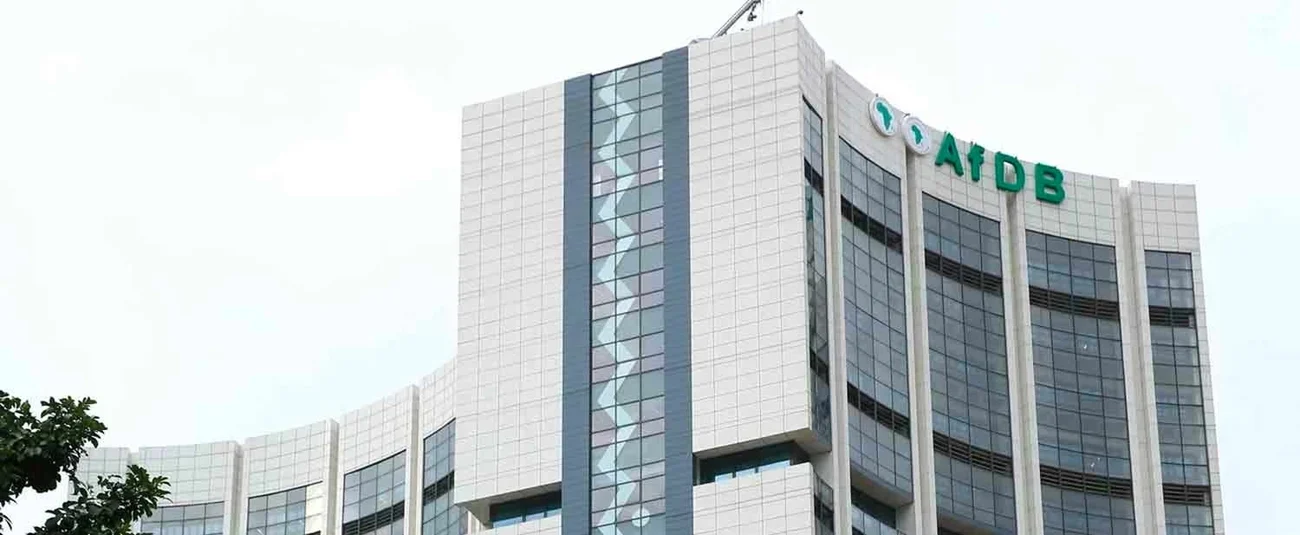
In a bold step to address Africa’s rapid urbanisation and growing infrastructure needs, the African Development Bank (AfDB) and the United Nations Human Settlements Programme (UN-Habitat) have signed a new Memorandum of Understanding (MoU) aimed at fast-tracking sustainable urban development across the continent.
The agreement, signed on July 1, 2025 during the Fourth International Conference on Financing for Development (FfD4) in Seville, Spain, builds on a previous 2006 partnership and broadens the scope to include urban governance, housing, municipal finance, and infrastructure development.
Africa’s urban population is expected to surge to 2.4 billion by 2050, placing immense pressure on cities already struggling with informal settlements, poor infrastructure, and climate vulnerabilities.
The AfDB–UN-Habitat partnership aims to transform cities into engines of inclusive growth, resilience, and sustainability.
“Urbanisation in Africa can either be a driver of prosperity or a deepening of poverty and exclusion,” said UN-Habitat Executive Director Anacláudia Rossbach. “Through this renewed collaboration, we aim to help cities become engines of resilience, equity, and climate action – leaving no one behind.”

Key features of the partnership
The AfDB and UN-Habitat will jointly develop action plans targeting local governments across Africa, provide technical assistance and policy support, facilitate capacity-building and knowledge exchange and collaborate through platforms like the World Urban Forum and the Africa Investment Forum to mobilise private and public capital
AfDB President Dr. Akinwumi Adesina emphasised the importance of involving capital markets in the urbanisation process:
“Cities are the engines of growth, and we need to mobilise much more private capital. This will require moving beyond conventional public sector financing. I’m very excited about this partnership.”
Tanzania among key beneficiaries
While the MoU is continent-wide, countries like Tanzania, which are undergoing rapid urban transformation, stand to benefit significantly.
Cities such as Dar es Salaam, Dodoma, and Mwanza are struggling to keep up with population growth and demand for services.
Tanzania’s National Urban Development Strategy already aligns with many of the AfDB-UN-Habitat focus areas – especially in the housing and climate resilience space. Through this renewed partnership, local governments could gain direct technical support, access to climate-smart urban planning, and improved tools for municipal finance mobilisation.

A growing urban investment portfolio
In recent years, the AfDB has expanded its urban development portfolio, including the launch of a dedicated urban development division and the Urban and Municipal Development Fund.
These tools help cities access tailored support for climate-resilient infrastructure, affordable housing, and green jobs.
One recent success is the partnership between UN-Habitat and AfDB in Eswatini, where the two organisations are jointly preparing an EcoCity Masterplan – an integrated urban-agriculture project aimed at supporting over 100,000 people.
Looking ahead
With Africa at a critical juncture in its urban transition, the strengthened alliance between AfDB and UN-Habitat signals a coordinated push for inclusive, climate-smart, and financially viable cities. As urban populations soar and infrastructure gaps widen, the challenge will be ensuring local implementation keeps pace with continental ambition. “This isn’t just about buildings and roads,” said Rossbach. “It’s about shaping cities that protect the vulnerable, power economies, and preserve the planet.”