
By Business Insider Reporter
Tanzania’s long struggle with climate extremes has found fresh relief with the approval of a US$9.38 million grant by the African Development Fund (ADF) to boost climate resilience in the Mkondoa catchment, one of the country’s most climate-stressed water resource areas.
Approved on December 12, 2025, the grant will finance the Enhancing Climate Resilience on Water Resources in Mkondoa Catchment project, a multi-year intervention designed to protect communities, infrastructure and ecosystems from increasingly severe floods and droughts driven by climate change. Funding will be drawn from the ADF’s Climate Action Window, reflecting the growing priority placed on adaptation in vulnerable African countries.
The Mkondoa catchment, located within the Wami–Ruvu Basin, spans parts of Gairo, Kilosa and Mvomero districts and supports agriculture, livestock, domestic water supply and transport links that are critical to central Tanzania. In recent years, the area has experienced erratic rainfall patterns, alternating between destructive floods and prolonged dry spells. These extremes have damaged crops, displaced households, degraded watersheds and disrupted transport and trade along key corridors linking Morogoro and Dodoma.
Under the new project, an estimated 774,000 people are expected to benefit directly. Planned interventions include the strengthening of early warning systems for floods and droughts, construction of climate-resilient infrastructure such as dikes and check dams, and the restoration of about 1,200 hectares of degraded watersheds.
These measures are intended not only to reduce disaster risks but also to stabilise water flows, recharge groundwater and improve long-term water availability for households and farmers.
Beyond environmental protection, the project carries a strong livelihoods and jobs dimension. Implementation is expected to generate around 3,500 temporary jobs during construction and ecosystem restoration activities, as well as about 1,000 long-term jobs linked to catchment management, maintenance and related economic activities. Women and youth are prioritised, aligning with national and regional goals on inclusive growth and employment.
The project will be implemented by the Wami/Ruvu Basin Water Board under the Ministry of Water, with works scheduled to begin in January 2026. Strengthening institutional capacity is a central pillar, recognising that effective climate adaptation depends as much on governance and data as on physical infrastructure. Improved monitoring, planning and coordination are expected to enhance Tanzania’s ability to manage climate risks across the basin.
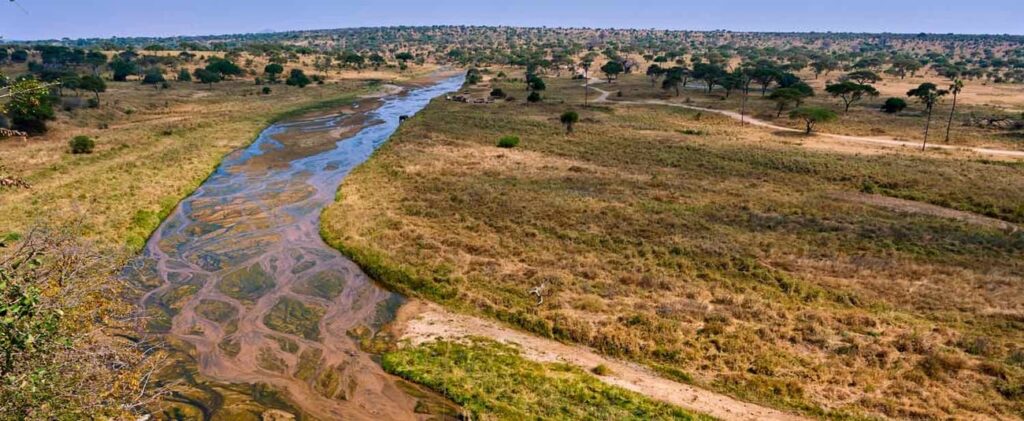
One of the project’s strategic objectives is to safeguard the Morogoro–Dodoma Road (B-127), a vital transport artery that supports trade, food supply chains and mobility between eastern and central Tanzania. Flood damage to this corridor has previously disrupted economic activity and increased transport costs, underlining the link between climate resilience and national economic performance.
The Mkondoa intervention fits within a broader national context of mounting water and climate challenges. Tanzania’s economy remains highly dependent on climate-sensitive sectors, particularly rain-fed agriculture, which employs a majority of the population.
Climate change has intensified pressures on rivers, wetlands and catchments that also supply fast-growing urban centres such as Dar es Salaam and Dodoma. As droughts become longer and floods more destructive, the cost of inaction has risen sharply, measured in lost harvests, damaged infrastructure, food insecurity and public health risks.
By focusing on catchment-level resilience, the project reflects a shift towards integrated water resources management, where environmental restoration, disaster risk reduction and livelihoods are addressed together.
Improved water availability is expected to support agricultural productivity and nutrition, while reduced flood damage will help protect homes, schools and health facilities in vulnerable communities.
“This project is a strategic investment in Tanzania’s sustainable future,” said Assefaw Mecuria, Manager for the Water Security and Sanitation Division in East and Southern Africa at the African Development Bank. “By building resilience in the Mkondoa Catchment, we are protecting livelihoods, boosting food security, and fostering inclusive economic growth in the face of a changing climate.” As climate risks continue to escalate across East Africa, the Mkondoa project highlights how targeted adaptation financing can deliver multiple dividends – environmental protection, economic resilience and social stability. For communities living along the catchment, the success of the project could mean fewer climate shocks, more reliable water supplies and a stronger foundation for sustainable development in an increasingly uncertain climate.