By Business Insider Reporter
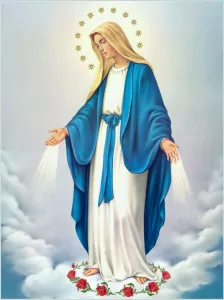
In a remarkable fusion of faith, history, and nature, a statue-like image of the Virgin Mary, revered in both the Bible and the Qur’an as the mother of Jesus Christ (Issa bin Mariam), has been discovered inside a baobab tree at Saadani National Park in Tanzania.
The natural formation, embedded within the trunk of a centuries-old baobab, is being hailed by visitors as a miraculous and rare marvel.
Early reports suggest it may soon become a site of faith-based pilgrimage, attracting spiritual tourists from across the region and beyond.
“This is not folklore – it is real,” said Daud Ngoro, Acting Conservator of Saadani National Park.
“The statue is clearly visible inside the baobab tree and has already been witnessed by many tourists, including members of the press.”
Natural wonder to sacred symbol
Ngoro believes the image could become a powerful symbol of interfaith reverence, especially in a country like Tanzania where Christianity and Islam coexist peacefully.
“The figure invites reflection on the greatness of God, the mysteries of creation, and the spiritual beliefs we hold – all within the majesty of a natural setting,” he said.
Situated along Tanzania’s coastline, Saadani National Park uniquely stretches across Bagamoyo District in Pwani Region and Pangani District in Tanga Region, making it the only national park in East Africa that borders the Indian Ocean.
This strategic location adds yet another layer of appeal to an already multifaceted destination.
A tree rooted in history
According to Fredy Nesto, a licensed tour guide operating in the park, the statue was first observed in 2019, within a baobab estimated to be over 100 years old.
The tree itself carries a dark legacy: historical accounts suggest it was once used by colonial powers as an execution site during the East African slave trade.
“What’s fascinating,” Nesto said, “is that the statue appears more clearly when viewed from a distance, but becomes obscured when examined up close – a mystery that deepens its sacred aura.”
Nesto added that visitors have begun to pray at the site, leaving personal petitions. Some have reportedly returned with testimonies of answered prayers.
A park like no other
Ngoro was quick to emphasise that Saadani is much more than a site of spiritual discovery – it is a biological and ecological gem.
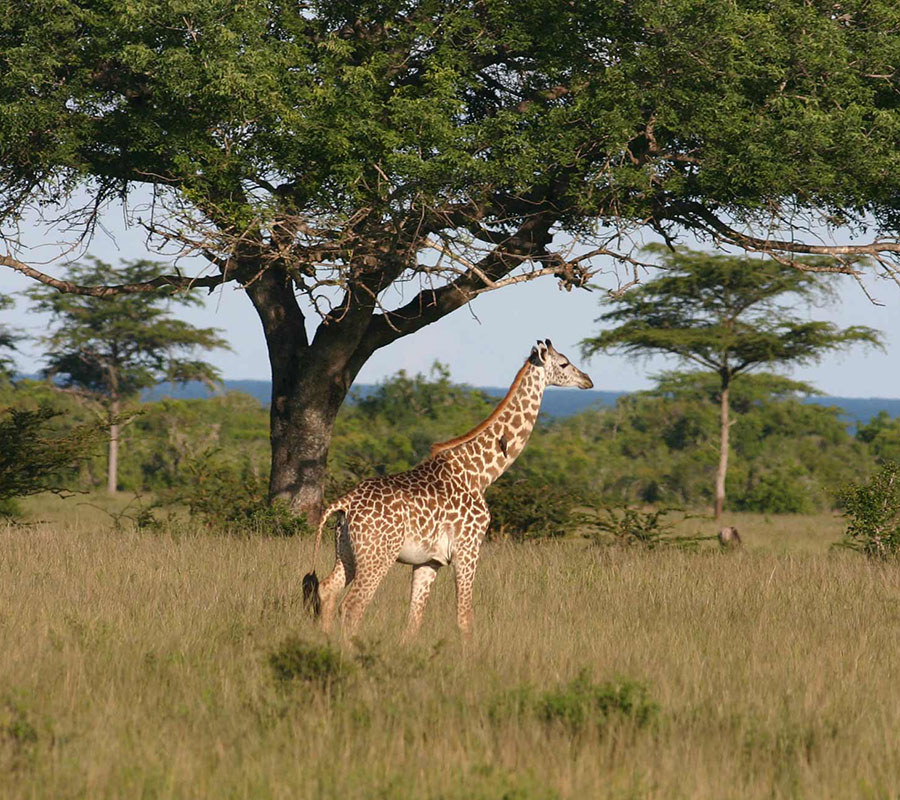
The park hosts four of Africa’s “Big Five” – elephant, lion, buffalo, and giraffe – with only the rhinoceros absent. Uniquely, these animals are sometimes seen lounging near the beach, offering one of the most surreal wildlife viewing experiences in the world.
In addition to terrestrial wildlife, Saadani’s beaches serve as nesting grounds for marine turtles, which migrate from around the world to lay eggs along its protected shores.
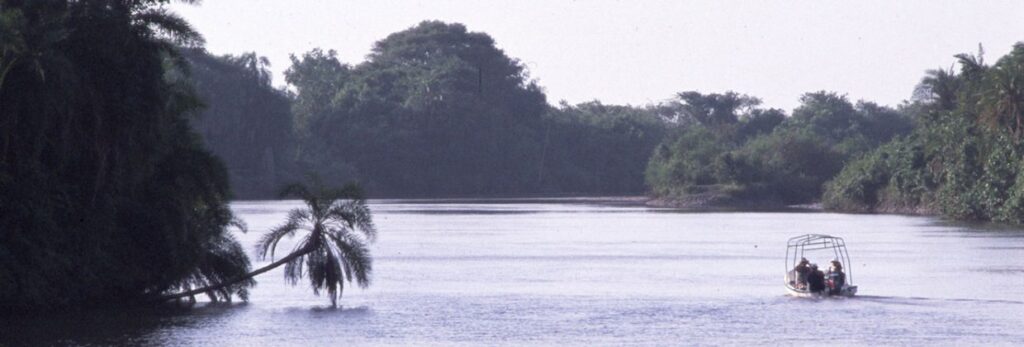
“The convergence of the Pangani River and the Indian Ocean is another extraordinary feature,” Ngoro added. “It enriches the park’s biodiversity and aesthetic appeal.”
Destination for faith-based, cultural tourism
Ngoro, who also leads the park’s tourism division, encouraged Tanzanians and international visitors to experience this multi-dimensional destination firsthand – whether for spiritual reflection, wildlife encounters, or historical education.
With rising interest in faith-based tourism, the image of the Virgin Mary presents a new avenue for Tanzania to diversify its tourist offerings and tap into growing global interest in pilgrimage and religious travel. “The spiritual, historical, and ecological stories of Saadani are deeply intertwined,” Ngoro concluded. “This park isn’t just a sanctuary for wildlife – it’s becoming a sanctuary for the soul.”