As Earth’s tectonic heartbeat pulses beneath East Africa, scientists say Tanzania could harness the heat – if it moves fast enough.
By Business Insider Reporter and Agencies
Have you heard? The Africa continent is ripping apart. A groundbreaking study by scientists from the University of Southampton and collaborating institutions has revealed that Africa continent is ripping apart slowly.
This is due to the rhythmic pulses of molten rock rising from deep within the Earth beneath the Afar region of Ethiopia, in what researchers describe as a “geological heartbeat.”
These deep Earth pulses, published in Nature Geoscience, are contributing to the gradual tearing of the African continent and may eventually give rise to a new ocean.
It sounds scary. But it might prove to be a good omen to Tanzania.
In the quiet of Tanzania’s volcanic highlands, where ancient rift valleys stretch across the landscape and geysers bubble from the Earth, few may suspect that something extraordinary is unfolding beneath their feet.
This new research has revealed that the African continent is slowly – but surely – being pulled apart.
And at the centre of this dramatic geological process lies a force so powerful, yet so hidden, it has remained largely misunderstood: a pulsing plume of molten rock rising from deep within the Earth’s mantle.
Published in Nature Geoscience, the study led by scientists from the University of Southampton shows that these rhythmic surges – detected in the Afar region of Ethiopia – could ultimately create a new ocean, forever reshaping the geography of East Africa.
But more urgently, the discovery holds immense economic and energy potential, particularly for countries like Tanzania, if they are ready to act.
Geological pulse, economic opportunity
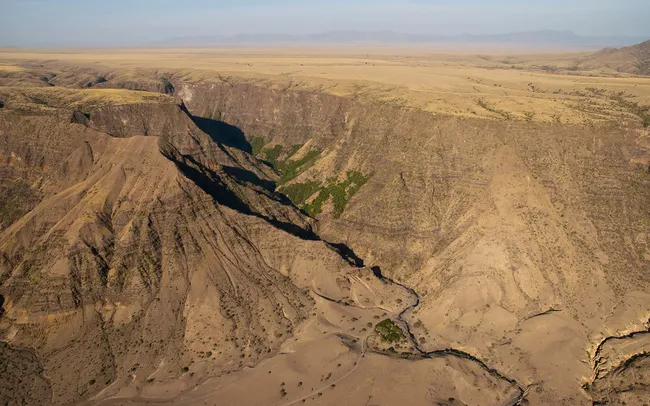
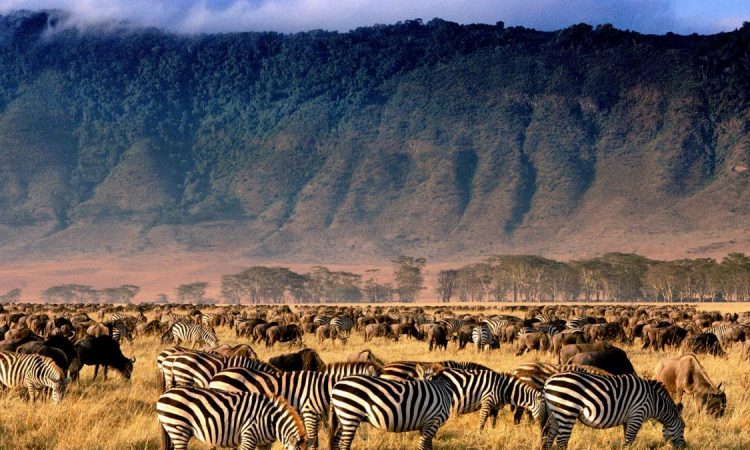
The Afar Triangle is a geological crossroads, where three tectonic plates diverge – cracking the crust like soft plasticine under pressure.
According to lead researcher Dr. Emma Watts, the mantle beneath the region doesn’t rise smoothly. Instead, it pulses like a beating heart, carrying distinct chemical signatures that suggest dynamic interactions between the Earth’s deep interior and the surface above.
What makes this particularly relevant to Tanzania is that these mantle flows extend along the East African Rift System, cutting through Kenya, Uganda, Rwanda and into Tanzania’s western corridor.
Scientists believe these deep Earth pulses could also be heating the crust beneath Tanzania, creating ideal conditions for geothermal energy development – an opportunity the country has yet to fully explore.
“The same forces pulling Africa apart could power it into a low-carbon future,” says Dr. Derek Keir, co-author of the study and Associate Professor of Earth Science.
A sleeping giant beneath Tanzania
Geologists have long identified areas like Mbeya, Lake Natron, and the Rukwa Basin as geothermal hotspots.
These zones, peppered with volcanic ridges, steaming vents, and hot springs, offer more than scenic beauty – they are signs of potential energy.
Yet despite this natural endowment, Tanzania has yet to develop any significant grid-connected geothermal power.
In contrast, Kenya – sitting on the same rift system – already generates over 800 MW from geothermal sources and has become a regional leader in renewable energy.
Tanzania’s geothermal potential is estimated in the gigawatt range, according to energy experts, enough to power hundreds of thousands of homes and reduce reliance on hydropower and imported fuels.
“This is not just an environmental asset – it’s an energy revolution waiting to happen,” says an independent energy policy analyst based in Arusha.
Seismic risk or strategic asset?
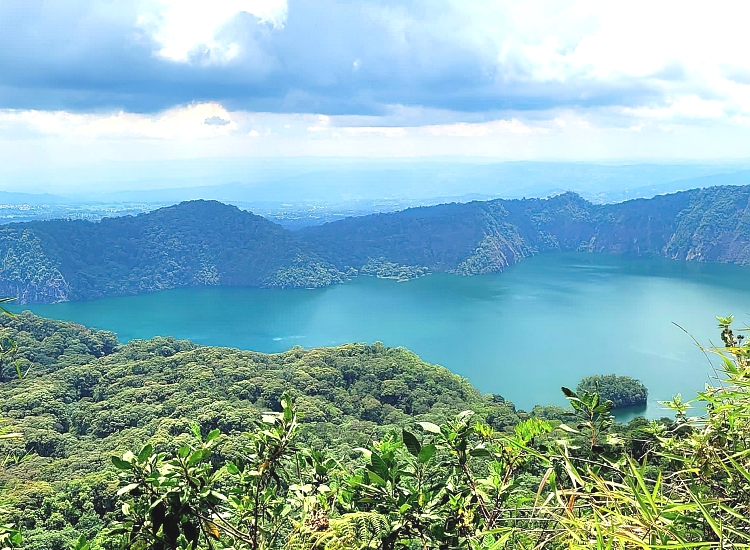
While the geological activity could bring energy, it also brings risk. The Western Branch of the East African Rift, which passes through parts of Tanzania, is prone to low-magnitude earthquakes, and the land itself is slowly shifting. Towns and infrastructure along fault lines – from Kigoma to Mbeya – must now be assessed with tectonic resilience in mind.
But this is also a chance to rethink infrastructure and urban planning, say scientists.
By integrating geological data into development strategies, Tanzania can not only prepare for future risks but extract long-term economic value from its unique position on the map.
What Tanzania must do
So why has geothermal remained an untapped resource in Tanzania? Experts point to several challenges such as lack of detailed subsurface mapping and exploration, high upfront costs of drilling and development, limited investment incentives for private developers and weak coordination between energy and environmental regulators
What’s needed now, according to the Tourism Confederation of Tanzania and energy think tanks, is a bold policy shift to develop a national geothermal strategy, provide risk guarantees and financing frameworks for early-stage projects, foster regional research cooperation to map underground activity and resource flow and invest in technical capacity and training in geothermal engineering and geology.
Future written in stone
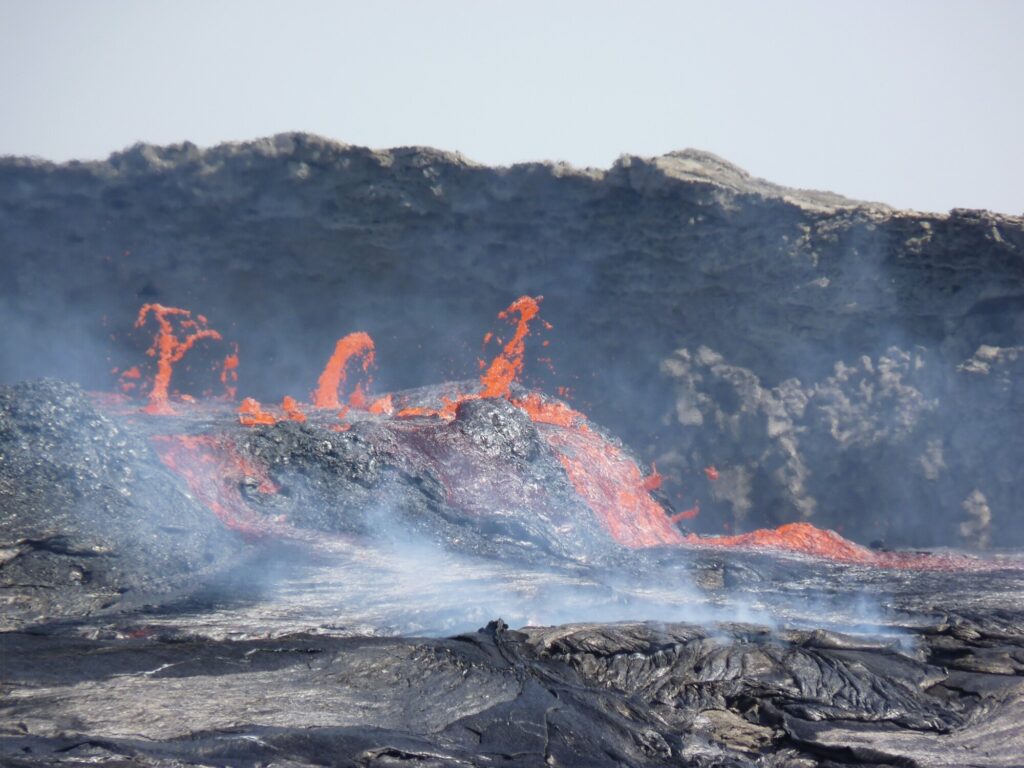
The mantle beneath Africa is in motion. The land is shifting. And while the full rupture of the continent may take millions of years, the economic opportunities from the heat rising today are real and urgent.
For Tanzania, the choice is whether to be a passive witness to geological change – or an active participant in shaping a clean, resilient energy future powered by the very Earth itself.
As Professor Tom Gernon of the University of Southampton puts it: “This is more than a scientific curiosity. It’s a reminder that beneath every mountain and every plain in East Africa, the Earth is alive. And if we listen closely, we can turn its heartbeat into progress.”