


By Business Insider Correspondent, Arusha
The East African Community (EAC) has adopted a regional emergency preparedness and response plan to protect transport networks, businesses, agricultural production and livelihoods from the potentially severe effects of an intensifying El Niño weather phenomenon expected to persist until February 2027.
The plan, adopted by EAC ministers on November 6, seeks to strengthen coordination among Partner States in managing floods, disease outbreaks, infrastructure damage, food insecurity and population displacement.
Beyond its humanitarian objectives, the initiative highlights the growing economic risks posed by extreme weather to regional trade, investment and economic integration, particularly where businesses depend on cross-border transport corridors and interconnected supply chains.
Climate scientists from the IGAD Climate Prediction and Applications Centre (ICPAC) warned that El Niño was firmly established and could strengthen to very high intensity. There is an almost 100 per cent probability that the phenomenon will persist through February 2027, potentially affecting the March–May rainfall season.
Speaking at the ministerial meeting in Arusha, Uganda’s First Deputy Prime Minister and Minister for East African Community Affairs, Rebecca Kadaga, warned that the region could no longer afford fragmented national responses to climate emergencies.
“Our Heads of State have directed that we must never again respond as eight separate countries,” she said, recalling the economic and humanitarian costs of previous El Niño episodes.
Protecting regional trade corridors
One of the plan’s most significant economic priorities is safeguarding regional transport infrastructure, particularly the Northern Corridor, which connects the Port of Mombasa to landlocked economies including Uganda, Rwanda, Burundi and eastern Democratic Republic of Congo.
Flood-damaged roads and bridges can disrupt cargo movements, delay deliveries, increase transport costs and undermine the competitiveness of regional businesses.
Kadaga called for transport corridors to be recognised as protected regional assets, supported by joint contingency arrangements, emergency bridges and continuous information on road conditions.
She argued that transport operators should receive timely information about road accessibility before beginning their journeys, citing the need for truck drivers departing Mombasa to know whether the Malaba border crossing remains operational.
Uganda’s Minister of Internal Affairs, Ephraim Kamuntu, similarly warned that damage to strategic infrastructure in one country could have consequences throughout the region.
“When the Katonga River washed away its crossing, regional traffic was paralysed. A bridge lost at Malaba or Busia would be felt as far away as Kigali,” he said.
The plan therefore seeks to strengthen regional cooperation in protecting critical infrastructure and maintaining the movement of goods during extreme weather conditions.
Five priorities for managing climate risks
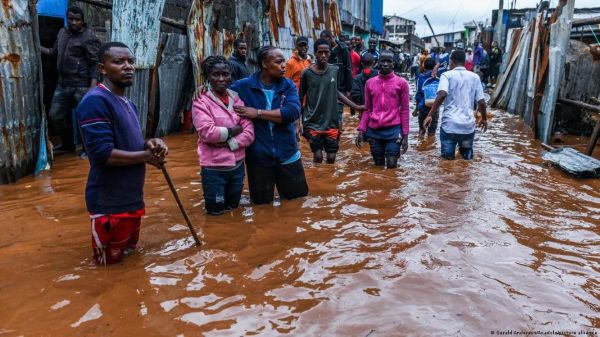
The regional response framework identifies five intervention areas: early warning and anticipatory action; health preparedness and response; infrastructure and tourism resilience; agriculture, food security and livelihoods; and climate mobility and displacement.
These priorities reflect the broad economic implications of El Niño, particularly for agriculture, livestock production, tourism, public health and regional supply chains.
Agriculture remains particularly vulnerable because excessive rainfall can destroy crops, damage irrigation systems, disrupt livestock activities and affect food distribution.
The EAC has consequently urged Partner States to strengthen agricultural and livestock preparedness while harvesting excess rainwater through dams for domestic consumption, irrigation and livestock use.
The danger could also extend beyond the rainy season. ICPAC warned that El Niño-induced rainfall may be followed by drought, hot and dry conditions and cross-border pastoral movements, requiring governments to prepare for the entire climate cycle rather than focusing exclusively on floods.
Priority risk areas include the Lake Victoria Basin, Kenya’s Tana River and coastal regions, Somalia’s Juba–Shabelle corridors, the Karamoja–Teso cluster, western Rwanda, Burundi, eastern DRC, Dar es Salaam and Zanzibar.
Tanzania backs coordinated regional response
Tanzania has pledged support for the regional framework, highlighting the importance of protecting shared resources, particularly the Lake Victoria Basin.
Deputy Minister for Lands, Housing and Human Settlements Development Kasper Mmuya said the country had strengthened weather monitoring, prepared emergency supplies and reinforced response teams.
He emphasised that successful implementation would require political commitment, adequate resources and clearly defined responsibilities.
“We must now turn this meeting’s recommendations into concrete actions, with clear timelines, clear responsibilities and adequate resources,” he said.
For Tanzania, the potential economic consequences extend beyond flood damage to infrastructure and settlements. Disruptions to agriculture, tourism, transport and business activities could affect household incomes, public expenditure and investment confidence.
The inclusion of Dar es Salaam and Zanzibar among priority hotspots also highlights the importance of protecting urban infrastructure and tourism facilities against extreme rainfall and flooding.
Implementation and financing take centre stage
The EAC Secretariat will coordinate regional implementation through a Regional Steering Committee, an Emergency Coordination Unit and national focal points in each Partner State.
Deputy Secretary General Andrea Aguer Ariik Malueth said the Secretariat would work with development partners, including UNICEF and the International Federation of Red Cross and Red Crescent Societies, to mobilise technical and financial support.
The Joint Sectoral Council has directed the Secretariat to prepare an implementation plan by November 30, 2026, and work with Kenya to establish a regional disaster information-sharing dashboard by November 25.
Partner States have also been urged to strengthen cross-border flood-risk management, maintain transport corridors, implement national contingency plans and restore forests and wetlands.
However, financing remains central to translating the regional commitments into practical interventions.
Kadaga called on development partners to support national and regional preparedness efforts but stressed that governments must also commit domestic resources.
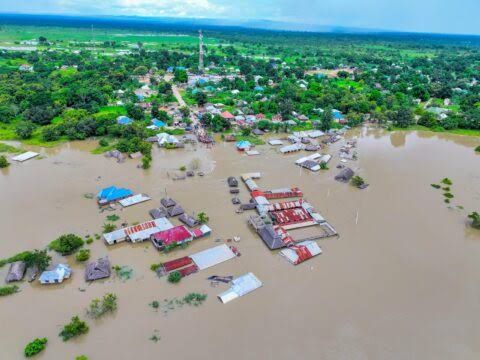
For businesses, the effectiveness of the plan will ultimately be measured by whether supply chains remain operational, transport costs are contained, agricultural production is protected and essential services continue functioning during the emergency. The EAC’s challenge is therefore not simply to coordinate disaster response, but to protect the economic gains of regional integration against an increasingly unpredictable climate.