
By Mwanamkasi Jumbe
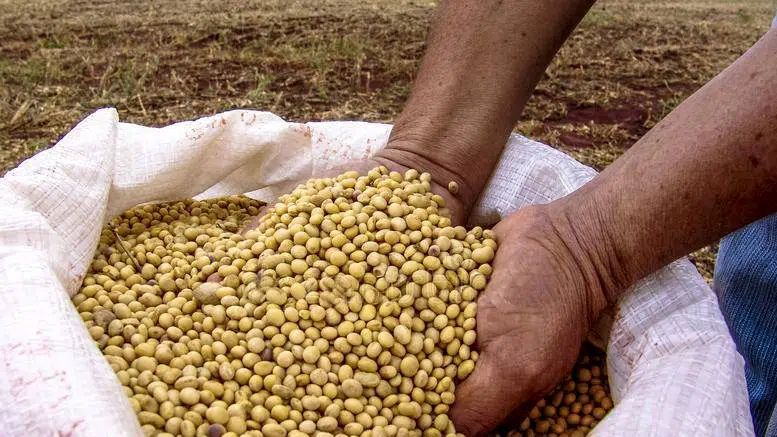
Tanzania is spending US$87 million annually on soya imports while domestic poultry feed manufacturers operate far below capacity, exposing a major supply-chain weakness that is driving up production costs and undermining the competitiveness of the country’s poultry industry.
The challenge was highlighted by Deputy Minister for Livestock and Fisheries Ng’wasi Kamani during the opening of the Tanzania Poultry Show 2026 at Ubungo Plaza, where she called for increased domestic production of feed ingredients to reduce the sector’s dependence on imports.
Feed accounts for approximately 70 percent of the cost of producing poultry in Tanzania, making it the industry’s biggest cost driver and a major constraint on profitability for farmers.
“The price of chicken is the price of feed. If we don’t fix feed, we can’t fix the poultry business,” Kamani said.
The government is seeking to address the problem through the National Poultry Development Strategy 2026–2036, which aims to reduce feed’s share of total production costs from 70 per cent to 50 per cent over the next decade.
Import dependence drains foreign exchange
Tanzania’s annual soya demand is estimated at between 130,000 and 150,000 tonnes, against domestic production of only 10,000 to 40,000 tonnes, according to figures presented at the event.
The resulting supply gap has forced feed manufacturers to rely on imported soya cake from countries including Zambia, Malawi, India and Ukraine.
The imports represent a substantial foreign-exchange outflow, even as Tanzania seeks to expand domestic agricultural production, strengthen local manufacturing and create jobs along the poultry value chain.
Kamani also pointed to the export of unprocessed agricultural by-products, including 247,900 tonnes of wheat bran and 117,000 tonnes of sunflower cake, arguing that Tanzania was missing opportunities to add value to resources that could support its domestic feed industry.

“We are bleeding foreign exchange through one hole while we create a hole on the other side by selling our raw materials. We cannot continue selling bran and buying protein,” she said.
The challenge presents an opportunity for investors in soybean farming, oilseed processing, feed manufacturing and agricultural logistics to develop local supply chains that can reduce import dependence.
Feed mills run below capacity
The supply shortage is also affecting Tanzania’s feed manufacturing industry, which has more than 200 registered factories with a combined installed capacity of 3,323 tonnes a day.
Despite the industry’s substantial production infrastructure, the factories are operating at an average of just 36 per cent of capacity, according to the figures presented by the deputy minister.
The underutilisation highlights a mismatch between manufacturing capacity and the availability of affordable raw materials.
For feed manufacturers, access to reliable supplies of soya and feed maize is critical to maintaining production, controlling costs and meeting the needs of commercial poultry farms.
Increasing local production of these commodities could therefore deliver benefits across the value chain, from farmers growing feed crops to processors and manufacturers supplying the expanding poultry market.
Poultry market offers room for investment
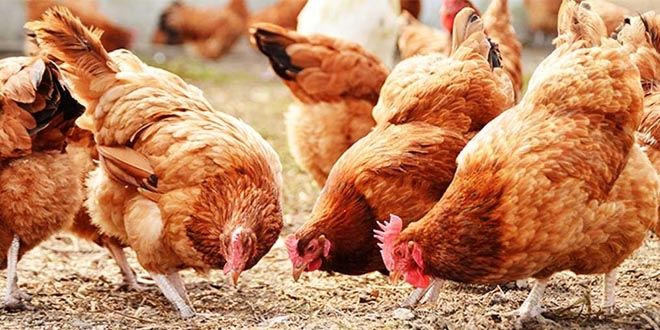
Tanzania’s poultry industry has continued to expand, with the national chicken population reaching 113 million, up from 97.9 million in 2023, according to figures presented at the event.
The country also produces more than seven billion eggs and 83 million day-old chicks, while annual feed production has reached 897,750 tonnes, valued at approximately TSh1.4 trillion.
These figures point to a substantial domestic market for feed, poultry products and related services. However, high input costs threaten to limit the commercial benefits of that growth.
For investors, the opportunity extends beyond poultry farming to include soybean production, feed-crop cultivation, processing facilities, storage infrastructure and the manufacture of value-added feed products.
Expanding domestic supplies could also improve the resilience of the industry against fluctuations in international commodity prices and disruptions to import channels.
Strategy targets cheaper feed
The National Poultry Development Strategy 2026–2036 sets targets to increase domestic soybean production to 300,000 tonnes and feed maize production to 1.5 million tonnes by 2036.
The government intends to use the additional supplies to support annual feed production of three million tonnes while reducing feed’s share of poultry production costs to 50 per cent.
Implementation of the 10-year strategy is estimated to require TSh3.53 trillion. The private sector is expected to provide 60 per cent of the financing, development partners 25 per cent and the government the remaining 15 per cent.
This financing structure places private investors at the centre of the strategy’s implementation, particularly in commercial farming, agricultural processing, feed manufacturing and supporting infrastructure.
The government has also introduced incentives, including VAT exemptions for modern poultry structures, and published investment guides covering poultry and soybean production.
However, achieving the targets will depend on mobilising the required capital, expanding access to productive inputs, improving agricultural productivity and establishing reliable markets linking crop producers with feed manufacturers.
Turning imports into domestic value
The government sees the US$87 million annual soya import bill as an opportunity to redirect spending towards domestic production, employment and value addition.
“If we turn this US$87 million import bill into local production, that money will go to our farmers, create jobs in factories, and lower chicken prices for consumers. That is the opportunity,” Kamani said.
For Tanzania’s poultry industry, the immediate challenge is to translate the country’s growing demand for poultry products into a stronger domestic feed supply chain.
If the strategy succeeds, local soybean and maize producers could gain new markets, feed manufacturers could increase capacity utilisation, and poultry farmers could benefit from lower production costs. The central test will be whether Tanzania can turn its existing manufacturing capacity and growing poultry market into a commercially sustainable system that produces more of its own feed, retains foreign exchange and strengthens the competitiveness of the entire industry.