
By Our Correspondent, Kigali
Tanzania is advancing its carbon market, with six projects reaching the carbon credit generation stage, opening up opportunities for green investment, environmental conservation and improved livelihoods, Minister of State in the Vice-President’s Office (Union and Environment), Eng Hamad Yussuf Masauni, has said.
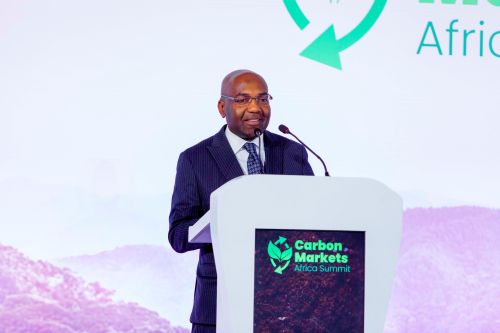
Masauni made the remarks on 14 October 2026 in Kigali, Rwanda, during the opening of the 2026 Africa Carbon Markets Conference, which brought together government leaders, investors, carbon credit buyers, project developers and development finance institutions from across the world.
He said the progress reflected Tanzania’s efforts to establish a carbon market underpinned by effective regulation, transparency and integrity, while contributing to climate change mitigation and sustainable economic development.
The minister said four mature projects involving clean cooking energy and social benefits had been approved at the latest meeting of the National Carbon Project Assessment Committee, advancing them towards the generation of verifiable carbon credits.
“The government has continued to strengthen the policy and institutional frameworks governing carbon trading to ensure that projects deliver positive environmental outcomes and tangible benefits to citizens,” Masauni said.
He added that amendments to the Environmental Management Act in 2025 had established the National Carbon Monitoring Centre (NCMC), mandated to register projects, oversee the measurement and verification of results, and prevent the double counting of carbon market outcomes.
Carbon markets offer new investment opportunities
Masauni urged African countries to use the conference to strengthen collaboration among governments, investors, carbon credit buyers, project developers and development finance institutions to accelerate the implementation of projects with measurable environmental benefits.
He said the development of a functional carbon market required high-quality projects that matched actual market demand, access to long-term capital and robust systems for measuring and verifying results.
Equally important, he stressed, was ensuring that communities received a fair share of the revenue and opportunities generated by carbon projects.
For Tanzania, a credible carbon market could provide an additional avenue for attracting climate finance, supporting environmental conservation and expanding investment in initiatives such as clean cooking energy.
However, unlocking these opportunities will depend on the ability of project developers to meet recognised standards, demonstrate measurable environmental benefits and attract buyers willing to pay for verified carbon credits.
Masauni also called for greater investment in Africa’s technical and institutional capacity in the carbon sector, arguing that countries on the continent should participate more actively in international markets and have a stronger voice in shaping their rules, standards and future direction.
Building trust in the carbon market
National Carbon Monitoring Centre Chief Executive Officer Kathryn Kigaraba described the conference as an important platform for bringing together stakeholders to discuss ways of improving the investment climate, accelerating project implementation and building a carbon market that commands trust and delivers benefits to communities.

She highlighted the importance of collaboration in creating conditions that enable carbon projects to progress while ensuring that the market remains credible and beneficial to society.
National Environment Management Council (NEMC) Director General Dr Immaculate Semesi said the council would continue working closely with the NCMC to oversee and facilitate carbon projects, ensuring that they protect the environment and benefit citizens. The discussions come as African countries seek to mobilise greater private investment and climate finance through carbon markets. For Tanzania, the challenge will be to translate its regulatory progress and pipeline of projects into verified credits, investor confidence and measurable economic benefits for local communities.