

A Special Correspondent, Mwanza
Technology and sound financial management are increasingly becoming critical to the ability of general enterprises (SMEs) to compete, access new markets and secure bigger business opportunities, NMB Bank has said.
The lender has urged businesses in Mwanza, Mara and Geita to embrace digital payment solutions and maintain dedicated business accounts as part of efforts to professionalise their operations, strengthen financial management and position themselves for sustainable growth.
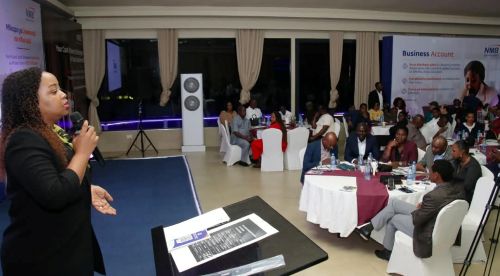
Speaking at the NMB Business Executive Network forum in Mwanza, NMB Head of Business, Deogratius Shirima, said rapid technological change and evolving customer expectations were transforming the way businesses operate, making it increasingly important for entrepreneurs to rethink how they receive payments and serve their customers.
“Businesses have to adapt to changes in technology and customer expectations,” Mr Shirima said, highlighting the growing importance of digital channels in facilitating transactions and connecting businesses with wider markets.
He said NMB’s digital payment solutions such as NMB SME World Business Credit Card and other online services were designed to make it easier for businesses to conduct transactions both within Tanzania and across international markets.
Beyond payment convenience, such digital tools can help businesses improve the efficiency of their operations while positioning them to participate in an increasingly technology-driven commercial environment.
Mr Shirima also highlighted NMB’s enhanced Bank Guarantee services, including unsecured bid bonds of up to US$10 million without requiring collateral.
The facility could be particularly significant for businesses seeking to participate in larger tenders and contracts, as access to bid guarantees is often an important requirement when competing for commercial opportunities.
The development therefore adds another dimension to the role of banking services in SME growth, moving beyond conventional transaction banking to financial instruments that can help businesses compete for larger opportunities.
NMB Head of SME Banking, Leah Mwakang’ata, meanwhile, stressed that technology needs to be complemented by sound financial discipline if businesses are to build sustainable enterprises.
She urged entrepreneurs to separate personal finances from business finances by operating formal business accounts, saying this provides a clearer picture of a company’s financial performance.
Maintaining separate accounts enables business owners to accurately track revenues and expenditure, understand cash flows and build a credible financial history, she said.
A strong financial record can also improve a business’s ability to access financial services that are aligned with its needs as it grows.
The emphasis on financial separation reflects a broader challenge facing SMEs, where mixing personal and business finances can make it difficult for owners to determine whether their enterprises are genuinely profitable and can also complicate efforts to demonstrate financial performance when seeking financing or other business services.
For businesses in the Lake Zone, the push comes against a backdrop of growing commercial and investment opportunities.
Mwanza TCCIA Regional Chairperson Gabriel Mugini said the region’s business environment continued to attract investors, urging entrepreneurs to make greater use of the financial and technological opportunities available to expand their operations.
The convergence of digitalisation, financial discipline and access to business-support instruments points to a changing landscape for Tanzanian SMEs, where growth increasingly depends not only on having a viable product or service, but also on the ability to operate professionally and respond to changing market demands. For entrepreneurs seeking to move from small-scale operations to more structured and competitive enterprises, the message from the Mwanza forum was clear: embracing technology, maintaining proper financial records and gaining access to appropriate financial instruments can be critical building blocks for the next stage of business growth.