By Correspondent Josephine Majura, Pwani
The Tanzanian government is intensifying efforts to improve oversight of public assets, directing all public institutions to ensure that government-owned properties and equipment are fully recorded and managed through the Government Asset Management Information System (GAMIS).
The move forms part of a broader campaign to strengthen accountability, improve the utilisation of public resources and reduce recurring audit concerns linked to weak asset management practices.
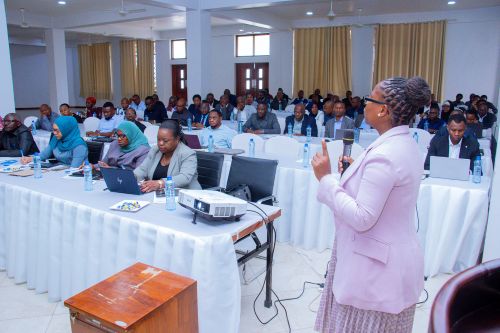
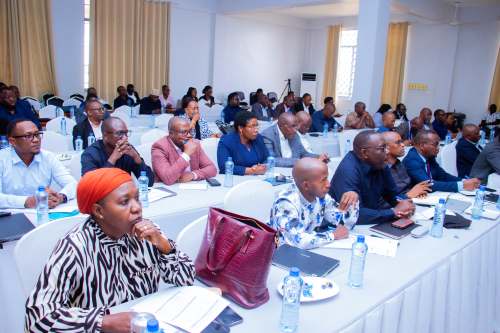
The directive was issued by Pwani Region Administrative Secretary Pili Mnyema while opening a training programme for accounting officers and senior public officials from government institutions in Lindi, Mtwara, Morogoro and Coast regions.
The training, organised by the Ministry of Finance, aims to equip public sector leaders with the skills and knowledge required to manage government assets in line with the Public Finance Act, Public Asset Management Regulations of 2024 and other relevant guidelines.
“Public assets are critical resources that enable government institutions to deliver services and implement development projects,” Mnyema said.
She noted that approximately 70 per cent of public institutions’ budgets are spent on procurement activities that ultimately create government assets, making effective management essential for ensuring value for money and protecting public investments.
“As a result, asset management must be guided by accountability, efficiency and strict compliance with laws, regulations and established procedures,” she added.
Digital oversight takes centre stage
At the heart of the government’s reforms is GAMIS, a digital platform designed to provide a comprehensive inventory of public assets while enhancing transparency and control.
Officials believe wider adoption of the system will enable government agencies to track assets more effectively, improve reporting and minimise losses arising from poor record keeping.
The initiative comes as public sector institutions face increasing pressure to strengthen governance standards and improve financial management in line with Tanzania’s broader public sector reform agenda.
Asset management has emerged as a critical area of focus for policymakers, particularly as government spending on infrastructure, equipment and public service delivery continues to rise.
Deadline for disposal of obsolete assets
In addition to strengthening digital record-keeping, the government has instructed public institutions to dispose of obsolete, idle, surplus and expired assets in accordance with existing laws and regulations before September 30, 2026.
The move is intended to improve efficiency by preventing institutions from carrying non-performing assets on their books while freeing resources for more productive use.
Mnyema also directed institutions to report accidents, losses and damage involving public assets to the Government Paymaster General within 30 days of occurrence.
Assets that suffer damage should be repaired promptly once the necessary approvals have been secured, she said.
The measures are expected to improve the quality of asset records while helping government institutions respond more effectively to operational risks.
Reducing audit queries
Assistant Director of Government Asset Management at the Ministry of Finance, Ismael Ogaga, said the training programme had been specifically designed to address recurring challenges in the management of public assets.
According to him, participants received detailed guidance on the legal, regulatory and operational requirements governing asset management.
He said strengthening compliance would help improve accountability, enhance the efficiency of resource utilisation and reduce audit queries that have frequently highlighted weaknesses in asset control systems.
Ogaga added that the Ministry plans to continue rolling out similar training programmes across the country to ensure public servants possess the skills required to manage government assets effectively.
Building capacity across government
Participants welcomed the initiative, describing it as an important step towards strengthening governance and operational efficiency.
Revocatus Mushumbusi, Director General of the Tanzania Forestry Research Institute (TAFORI), said institutions would work to implement the lessons learned from the training.
He also called on the Ministry of Finance to extend similar programmes to lower-level staff who are directly involved in day-to-day asset management activities.
“Building capacity at all levels is essential if institutions are to fully comply with laws, regulations and procedures governing public assets,” he said.

The training covered six key areas, including government asset management responsibilities, common weaknesses identified in public institutions, management of cash storage facilities and valuable assets, use of the GAMIS platform, handling asset losses and accidents, and compensation claim procedures.
The Pwani Region programme follows similar training sessions already conducted in Northern, Lake and Southern Highlands zones, reflecting the government’s determination to strengthen public asset management nationwide. For policymakers, the message is clear: effective management of public assets is no longer simply an administrative requirement – it is increasingly being viewed as a cornerstone of fiscal discipline, accountability and sustainable public sector performance.