
By Correspondent Saidina Msangi, Morogoro
Tanzania is moving to strengthen public sector governance and procurement efficiency through a proposed National Sustainable Supply Chain Management Strategy that will guide public institutions from 2026 to 2037.
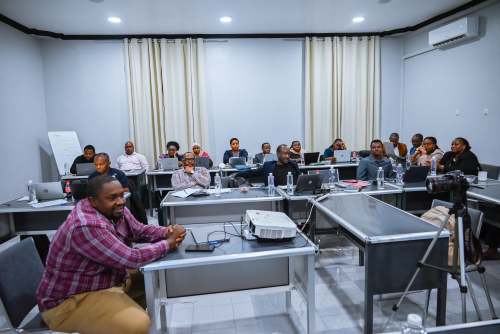
The Ministry of Finance has gathered procurement and supply chain professionals from various public institutions in Morogoro to review and validate the draft strategy before it is finalised and approved for implementation.
The initiative reflects a growing recognition that procurement is no longer just an administrative function but a strategic tool that can support economic development, environmental protection and effective use of public resources.
Speaking at the closing session of a two-day stakeholder workshop, Acting Assistant Commissioner for Public Procurement Policy at the Ministry of Finance, Omary Mhina, said the government was seeking broad stakeholder input to ensure the strategy addresses the realities and challenges facing public institutions.
“We have received all the recommendations submitted by stakeholders, and our responsibility as the Ministry is to work on those proposals, improve the agreed areas and then return the document for further verification before final approval,” Mhina said.
According to him, the strategy seeks to strengthen supply chain management, improve transparency and accountability in the use of public funds, and integrate sustainable development principles into procurement practices.
He added that the framework will support the implementation of Tanzania’s Dira 2050, the National Supply Chain Management Policy of 2025 and the Public Procurement Act.
Procurement as a development tool
Across the world, governments are increasingly using procurement systems to achieve broader economic and social goals.
Public procurement accounts for a significant share of government spending, making it an important mechanism for promoting local industry, encouraging innovation and improving service delivery.
The proposed strategy signals Tanzania’s intention to move beyond traditional procurement approaches focused mainly on compliance and cost considerations.
Instead, public institutions will be encouraged to incorporate sustainability, efficiency and long-term value into procurement decisions.
Experts say such an approach can improve the resilience of supply chains while ensuring that public resources generate greater economic and social benefits.

The strategy is also expected to help public institutions improve planning, reduce inefficiencies and strengthen accountability in procurement processes.
Environmental sustainability takes centre stage
Environmental considerations are emerging as a key pillar of the proposed strategy.
Speaking on behalf of workshop participants, National Environment Management Council (NEMC) Morogoro and Rufiji Zone Manager Arnold Mapinduzi said the participation of different institutions was important in ensuring environmental concerns are fully integrated into procurement and supply chain systems.
He noted that sustainable procurement can play a significant role in promoting environmentally responsible practices among suppliers and contractors.
As governments worldwide seek to address climate change and environmental degradation, procurement policies are increasingly being used to encourage greener production methods and sustainable resource use.
The proposed strategy aims to ensure that Tanzania’s procurement systems contribute to these broader sustainability objectives.
Broad stakeholder participation
The workshop brought together representatives from a wide range of institutions, including the Ministry of Education, Science and Technology, the Tanzania Revenue Authority (TRA), the Bank of Tanzania (BoT), the Public Procurement Appeals Authority, the Procurement and Supplies Professionals and Technicians Board (PSPTB), and Mzumbe University.
The diversity of participants reflects the strategic importance of the initiative and the government’s desire to build consensus before implementation.
Acting Director of Procurement and Supplies Management from the President’s Office – Planning and Investment, Upeo Sanga, said the consultations had provided stakeholders with an opportunity to discuss the draft in detail and propose improvements.
She said stakeholder engagement was essential in ensuring the strategy becomes practical, inclusive and effective once rolled out.
Supporting long-term vision
The strategy comes at a time when Tanzania is pursuing ambitious economic and development goals under Dira 2050.
As infrastructure projects, industrialisation initiatives and public service programmes continue to expand, efficient procurement and supply chain systems will become increasingly important.
Poor procurement practices can result in delays, increased costs and inefficient use of public resources, while effective systems can improve service delivery and strengthen public confidence in government institutions.
The Ministry of Finance believes the proposed strategy will help create a more transparent, accountable and sustainable procurement environment capable of supporting the country’s long-term development aspirations. If successfully implemented, the National Sustainable Supply Chain Management Strategy could become a cornerstone of public sector reform, helping public institutions achieve greater efficiency while advancing economic, environmental and governance objectives.