By Business Insider Reporter
Staff at Tanzania’s Ministry of Finance Tanzania have been urged to remain cautious about misleading nutrition information circulating on social media, particularly claims discouraging the consumption of carbohydrate-rich foods among children.
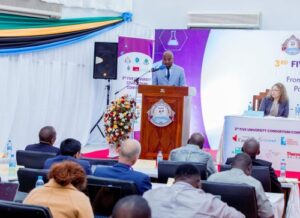
The warning was issued by Dr. Peter Kisenge, Executive Director of the Jakaya Kikwete Cardiac Institute (JKCI), during a health screening and awareness programme held at the Ministry’s Kambarage Hall in Dodoma.
The exercise focused on screening for heart disease indicators and providing education on the prevention of non-communicable diseases, including cardiovascular illnesses, among ministry employees.
Dr. Kisenge said public discussions about nutrition should consider factors such as age and individual health conditions, noting that children and young people still require adequate carbohydrate intake to support physical and cognitive development.
“Young people and children need carbohydrate foods to provide energy and support brain development. A deficiency of carbohydrates can reduce a child’s ability to think and learn effectively,” he said.
He stressed that balanced nutrition remains essential for healthy growth and warned against adopting unverified dietary advice shared online without professional guidance.
According to Dr. Kisenge, nutritional requirements change with age, particularly as people grow older and become more vulnerable to non-communicable diseases.
“People above the age of 50 face greater risks of lifestyle-related diseases compared to younger individuals,” he noted.
He encouraged both ministry staff and the wider public to prioritise balanced diets that include natural foods such as vegetables and fruits in order to maintain good health and reduce disease risks.
Addressing another common area of misinformation, Dr. Kisenge defended moderate salt consumption, saying salt remains important for human health when used appropriately.
“There are people completely opposing salt consumption, but salt is important for life when consumed correctly,” he said.
He also advised workers to avoid excessive alcohol consumption, overreliance on energy drinks and unhealthy work habits associated with long hours and stress.
Instead, he encouraged regular exercise, balanced diets and routine medical check-ups as part of a preventive healthcare culture.
Dr. Kisenge said routine health screening plays a critical role in reducing long-term treatment costs and ensuring employees remain productive in delivering services to the public.
On his part, the Director of Administration and Human Resources at the Ministry of Finance, Lusius Mwenda, said employee wellbeing is essential for the ministry to effectively execute its responsibilities.

He noted that limited public understanding of health issues often causes people to ignore early warning signs of disease that require timely intervention.
Mr. Mwenda commended JKCI for providing the screening and awareness services and pledged continued collaboration through annual health screening programmes for ministry employees.
He added that the exercise received strong participation from staff, reflecting growing awareness about the importance of preventive healthcare and healthy lifestyles. According to Mr. Mwenda, ministry employees are expected to apply the knowledge gained on nutrition, exercise and healthy living to improve their wellbeing and enhance service delivery to Tanzanians.