By Correspondent Saidina Msangi, Morogoro
The Government has reaffirmed its commitment to strengthening collaboration with non-governmental organisations (NGOs) across the country, emphasizing the need to align their activities with national priorities in order to accelerate inclusive and sustainable development for all citizens.
This was stated by Acting Assistant Commissioner for External Finance, Ministry of Finance, Mr. Joseph Haule, when opening a one-day workshop aimed at building understanding and sharing experiences between the Government and NGOs. The workshop was held at Edema Hotel in Morogoro Region.
Mr. Haule said the engagement was designed to enhance participants’ understanding of the cooperation framework between the Government and NGOs, thereby improving efficiency in the implementation of social development projects.
He noted that Tanzania’s development agenda continues to focus on ensuring that citizens benefit from inclusive and sustainable growth, adding that NGOs play a critical role in complementing government efforts.
“The government efforts have consistently focused on ensuring that citizens achieve development through inclusive and sustainable means. In achieving this goal, the contribution of NGOs is very important, particularly in delivering services to communities and supporting government efforts across various sectors,” said Mr. Haule.
He further stressed that for the partnership to be effective, stakeholders must share a common understanding of the systems, procedures and guidelines governing development implementation in the country.
“There is a strong need for stakeholders to understand key guidelines, including the Financial Compliance and NGO Cooperation Guidelines, the Government Budget Guidelines, as well as coordination frameworks for development cooperation. Through this workshop, we expect to build a shared understanding among all parties,” he added.
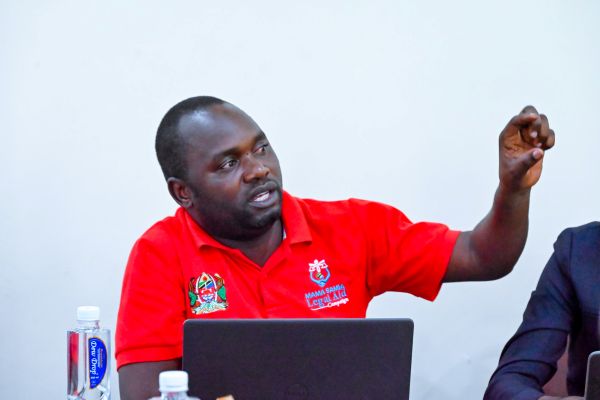
According to Mr. Haule, such platforms are crucial in identifying areas that require improvement in order to enhance transparency and accountability in the execution of development projects.
He added that the Government expects the discussions to generate practical recommendations that will strengthen working relations between state institutions and NGOs, while also improving efficiency and results on the ground.
Participants at the workshop described the engagement as a strategic platform that will help bridge service delivery gaps, especially in remote and underserved areas where government presence is still limited.
They noted that NGOs often play a vital role in reaching deeper rural communities and complementing government initiatives by extending essential services.
They further called for such training and engagement sessions to be conducted regularly, arguing that continuous capacity building would strengthen coordination and ensure more effective collaboration between stakeholders.
According to the participants, sustained dialogue would also help build stronger systems capable of driving meaningful social and economic transformation.
The one-day workshop was organised by the External Finance Department under the Ministry of Finance, with the aim of enhancing understanding and sharing experiences on government-NGO cooperation in Mainland Tanzania. Participants were drawn from several regions, including Mbeya, Iringa, Njombe, Katavi and Morogoro. Overall, the engagement underscored the Government’s ongoing efforts to foster a more structured, transparent and collaborative environment for development partners, with a shared vision of improving service delivery and achieving long-term national development goals.