By Business Insider Reporter
The East African Community (EAC) has accelerated efforts to create a seamless regional capital market after expanding its Capital Markets Infrastructure (CMI) platform to onboard new stakeholders and prepare for a second phase of implementation.
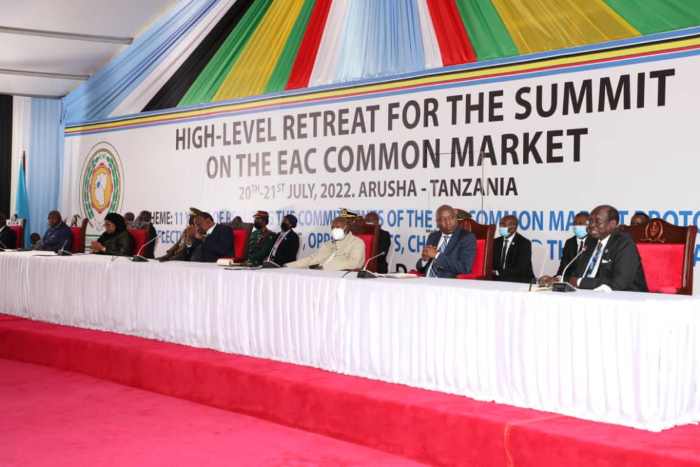
At a meeting in Arusha in late January, the EAC Secretariat convened the CMI Technical Working Group alongside chief executives and senior representatives from the region’s stock exchanges and capital markets institutions.
Participants included the Nairobi Securities Exchange (NSE), Dar es Salaam Stock Exchange (DSE), Uganda Securities Exchange (USE), Rwanda Stock Exchange (RSE), Burundi Securities Exchange (BSE), the National Securities Exchange of Somalia and the Somali Stock Exchange, with the Ethiopia Stock Exchange attending as observers.
The gathering marks a pivotal shift from dialogue to operational integration.
From vision to interoperability
Launched in 2015 with support from the World Bank’s IDA under the EAC Financial Sector Development Regionalisation Project, the CMI was designed to digitally link stock exchanges and central securities depositories across Partner States.
Its long-term objective is to facilitate cross-border trading, reduce settlement friction and support the free movement of capital under the EAC Common Market Protocol.
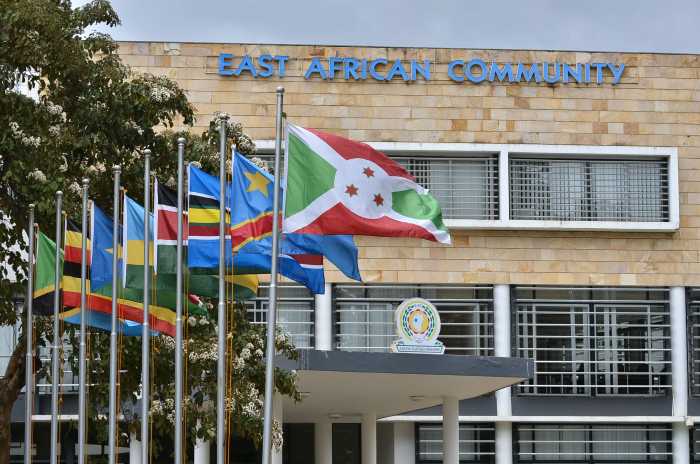
While Phase I focused on Rwanda, Tanzania and Uganda, the regional landscape has since changed dramatically. The bloc has expanded to eight Partner States, and new exchanges have emerged amid rapid advances in fintech and digital payments. Phase II is intended to reflect that new reality.
Frank Mwiti, Chief Executive of the NSE and Chair of the meeting, acknowledged the uneven maturity of markets across the region but emphasised shared ambition.
“While EAC capital markets are at different stages of development, Partner States share a strong and collective commitment to achieving meaningful regional integration,” he said. “We now have a timely opportunity to operationalise the long-standing vision of a single integrated regional market through the second phase of the Capital Markets Infrastructure.”
He identified interoperability, seamless cross-border investment, deeper liquidity and the inclusion of brokerage firms and other market intermediaries as immediate priorities.
Why It Matters for Business
For issuers, a functioning regional CMI could significantly expand the investor base beyond domestic borders, lowering the cost of capital for companies and sovereigns alike. For institutional investors, including pension funds and insurers, it promises broader diversification opportunities without the administrative burden that currently accompanies cross-border transactions.
Deeper integration would also enhance market liquidity – a persistent constraint in smaller exchanges – and potentially catalyse new regional products, from cross-listed equities to harmonised bond issuances and exchange-traded funds.
Aime Uwase, Director of Planning at the EAC Secretariat, described the broadened participation as a strong signal of intent.
“The growing participation in the Capital Markets Infrastructure, now bringing together all eight EAC Partner States, reflects the region’s strong commitment to deeper financial integration,” he said.
He further encouraged stakeholders to develop innovative products that complement the region’s fast-expanding digital financial services ecosystem.
Addressing structural gaps
Phase II will seek to address technical and regulatory bottlenecks identified during the first phase, including governance structures, stakeholder coordination, regulatory harmonisation and standards alignment. Capacity building for brokers, regulators and depository institutions is also high on the agenda.
Crucially, Partner States agreed that national business and technical requirements must be clearly defined before implementation begins, recognising disparities in market size, legal frameworks and technological readiness.
There was also consensus that Phase II must align with broader regional reforms, including payment system integration and rule harmonisation – both essential for ensuring that cross-border trading is not only technically feasible but legally and operationally efficient.
Sustainability and ownership
Another priority emerging from the Arusha meeting is long-term sustainability.
With World Bank support for Phase I having concluded in December 2020, stakeholders resolved to explore durable operational and financing models for the platform beyond the implementation phase.
Clear institutional arrangements and funding mechanisms will need to be agreed by all Partner States before Phase II formally begins.
Towards a unified East African Market
The next step will involve national consultations to refine business requirements, after which the EAC Secretariat will consolidate inputs and coordinate further regional engagements.
If successfully implemented, Phase II of the CMI could mark a turning point in East Africa’s financial integration agenda – transforming fragmented national exchanges into a more cohesive regional marketplace capable of attracting larger pools of domestic and international capital. For businesses seeking scale, investors looking for diversification and governments pursuing a, the promise of a truly integrated East African capital market is no longer a distant aspiration – but an emerging strategic priority.