By A Special Correspondent
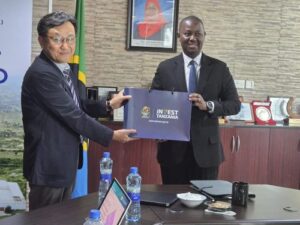
Africa’s drive to accelerate sustainable agricultural mechanisation gained fresh momentum on February 3, 2026, when Tanzania launched a new 10-year national strategy at the opening of the Africa Conference on Sustainable Agricultural Mechanisation in Dar es Salaam.
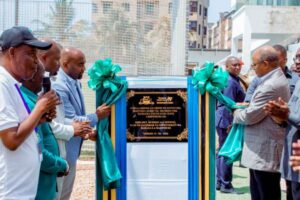
The launch of Tanzania’s National Agricultural Mechanisation Strategy 2026–2036 at the four-day Africa Conference on Sustainable Agricultural Mechanisation, which concluded on Friday, was graced by Prime Minister Mwigulu Nchemba.
Speaking at the event, Dr. Nchemba emphasised that agricultural mechanisation is a cornerstone for transforming Africa’s farming systems, boosting productivity, and ensuring food security for both current and future generations.
He highlighted its potential to create employment opportunities, enhance resilience to climate change, and accelerate the continent’s agricultural modernisation agenda.
The Food and Agriculture Organization (FAO), in a statement, underscored the strategy as a landmark step for Tanzania and the wider region, noting that it aligns with Africa’s broader goals of sustainable, technology-driven agriculture and youth-inclusive economic growth.
The conference was organised by the FAO and hosted by the Government. It brought together governments, private sector actors, researchers, development partners, youth and farmers to identify practical solutions and partnerships for expanding mechanisation across the continent.
Premier Nchemba said the mechanisation strategy aligns with the FAO, African Union Framework for Sustainable Agricultural Mechanisation in Africa and places women and youth at the centre of implementation.
Beth Bechdol, Deputy Director General of FAO, warned that past approaches often failed because large machines were imported without financing, training, repair services or adaptation to smallholder needs.
She said Africa requires functional mechanisation systems supported by local manufacturing, maintenance networks, innovative financing and enabling policies.
Moses Vilakati, Commissioner for Agriculture, Rural Development, Blue Economy and Sustainable Environment at the African Union, said mechanisation is also a dignity agenda, reducing back-breaking labour while creating opportunities for rural communities.
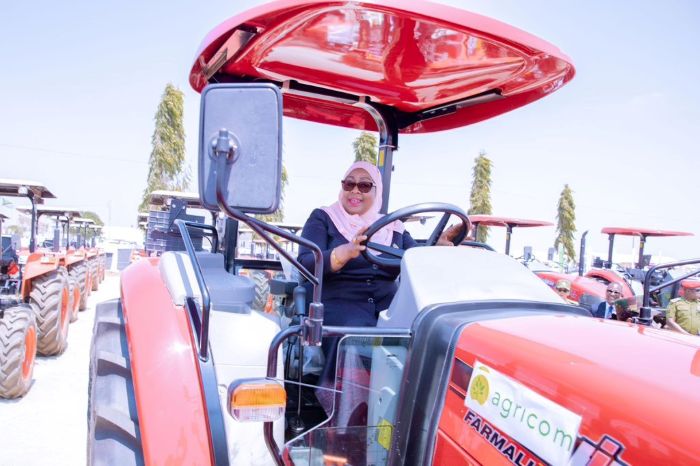
Africa continues to lag behind other regions in farm power, with many farmers still dependent on manual or animal labour. The continent holds about half of the world’s uncultivated arable land, estimated at 202 million hectares, but crop yields remain only 56 percent of the global average.
Although agriculture supports about 60 percent of Africa’s population, it contributes roughly 21 percent of GDP, highlighting major productivity gaps.
Abebe Haile-Gabriel, Assistant Director General and Regional Representative for Africa at FAO, said embracing mechanisation alongside digitalisation and scientific innovation could reshape Africa’s agrifood systems.
Chef Fatmata Binta, FAO regional goodwill ambassador for Africa, cited a fonio processing project where mechanisation reduced women’s workload and created new opportunities. Delegates discussed youth jobs, digital transformation, financing and investment, with visits to a youth incubation centre and a rice mechanisation cooperative. The conference ended on Friday, 6 February.