By Business Insider Reporter, Morogoro
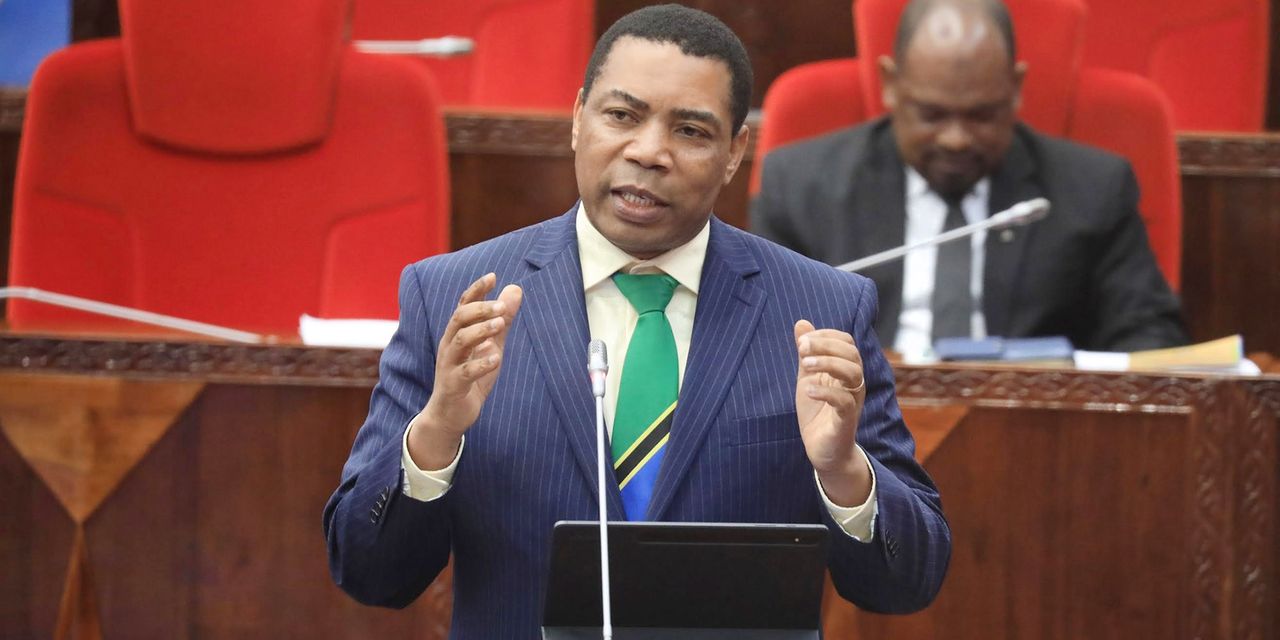
Prime Minister Dr. Mwigulu Nchemba has assured residents of Tindiga village in Kilosa District, Morogoro Region, that the government is taking decisive and long-term action to address the recurring floods that have displaced families and disrupted livelihoods following sustained heavy rainfall across the country.
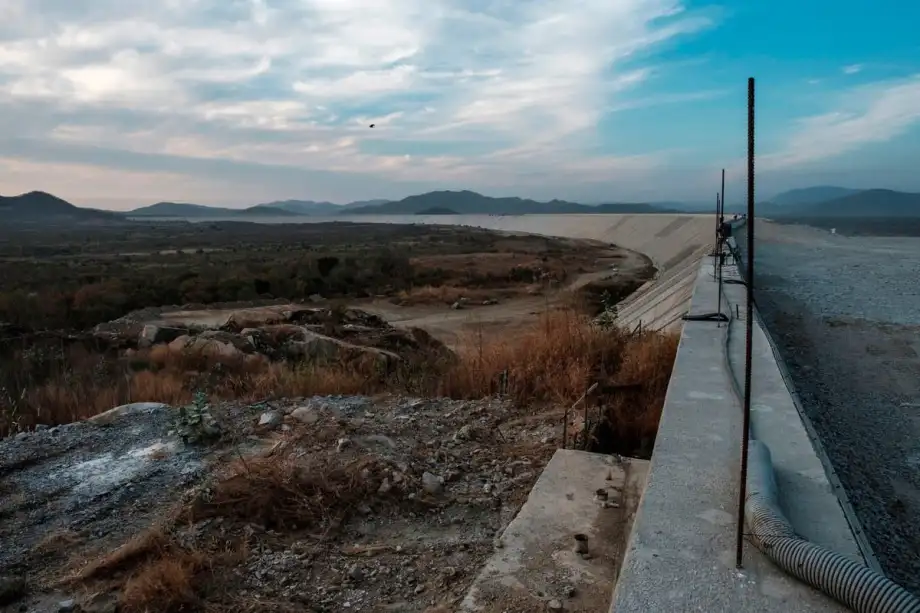
Speaking to affected communities during a visit to the area on Thursday Jan 1, Dr. Nchemba said the administration of President Dr Samia Suluhu Hassan had already initiated strategic measures to mitigate the impact of floods in Morogoro, notably through a major water infrastructure project involving the construction of dams in the Kidete area.
“The government anticipated these challenges and began planning durable solutions well in advance. The construction of water dams in Kidete is intended to provide a permanent solution to flooding in various parts of Morogoro Region,” ,” Dr. Nchemba told residents.
From emergency response to long-term resilience
Morogoro is among the regions most vulnerable to flooding due to its geographical position, river systems and changing rainfall patterns linked to climate variability.
In recent years, floods have repeatedly destroyed crops, damaged roads and forced thousands of residents – particularly in Kilosa, Kilombero and Mvomero districts – to seek temporary shelter.
While the government has often responded with emergency relief, including food aid and temporary resettlement, Dr. Nchemba emphasised that the current approach marks a shift from short-term interventions to structural, long-term resilience.
The Kidete dam project, he said, is designed not only to control floodwaters but also to support irrigation, water supply and broader socio-economic development in the region.
“These dams will help regulate water flows, reduce the risk of destructive floods, and at the same time support agriculture and water availability,” he noted.
Project enters technical phase
According to the Prime Minister, funding for the dam construction has already been secured, and the project is currently in the advanced technical stages, including procurement and contractor selection.
“The funds are available. What remains are technical procedures, including the appointment of a contractor. I am directing the responsible ministries to ensure these processes are completed promptly so that construction can begin without delay,” he said.
The project is being overseen by key government institutions, including the Ministry of Water and the Ministry of Works, Transport and Communications, in collaboration with environmental and disaster management authorities.
Climate change and development planning
The Morogoro floods are part of a wider pattern of extreme weather events affecting Tanzania, from prolonged droughts in some regions to intense rainfall and flooding in others.
Climate experts have repeatedly warned that such events are likely to become more frequent, underscoring the need for climate-resilient infrastructure.
The government’s investment in dams and flood-control systems aligns with Tanzania’s broader development agenda, including Vision 2050, which prioritises climate resilience, sustainable water management and food security.
Beyond flood control, large-scale water infrastructure is increasingly seen as critical to stabilising agricultural production – particularly in fertile regions such as Morogoro, often referred to as the country’s breadbasket.
Communities call for swift implementation
Residents of Tindiga welcomed the Prime Minister’s assurances but urged the government to move quickly from planning to implementation. Many said repeated flooding has eroded household incomes, disrupted schooling and increased vulnerability among women and children.
Local leaders also called for complementary measures, including improved early warning systems, better land-use planning and the rehabilitation of feeder roads damaged by floods.
As climate pressures intensify, the success of projects such as the Kidete dams will be closely watched – not only as a test of engineering capacity, but as a measure of the government’s commitment to protecting vulnerable communities while safeguarding long-term economic development. For Morogoro’s flood-hit residents, the message from the Prime Minister was clear: relief is no longer just about responding to disasters, but about preventing them.