
By Business Insider Reporter
Despite record inflows, the COMESA Investment Report 2025 issues a cautionary note: growth is increasingly concentrated in capital-intensive sectors, while manufacturing and value-added industries face stagnation.
The share of FDI in manufacturing fell sharply from 33 per cent to 16 per cent in 2024, reflecting structural challenges across the region.
This trend has profound implications for East Africa’s industrial ambitions, including Tanzania’s push for value addition and export-oriented manufacturing. While greenfield investment in construction, metals and energy expanded, several manufacturing subsectors – food processing, machinery and automotive – recorded significant declines.
COMESA policymakers are responding by recalibrating investment strategies towards supplier development, regional value chains and niche manufacturing segments less exposed to global shocks.
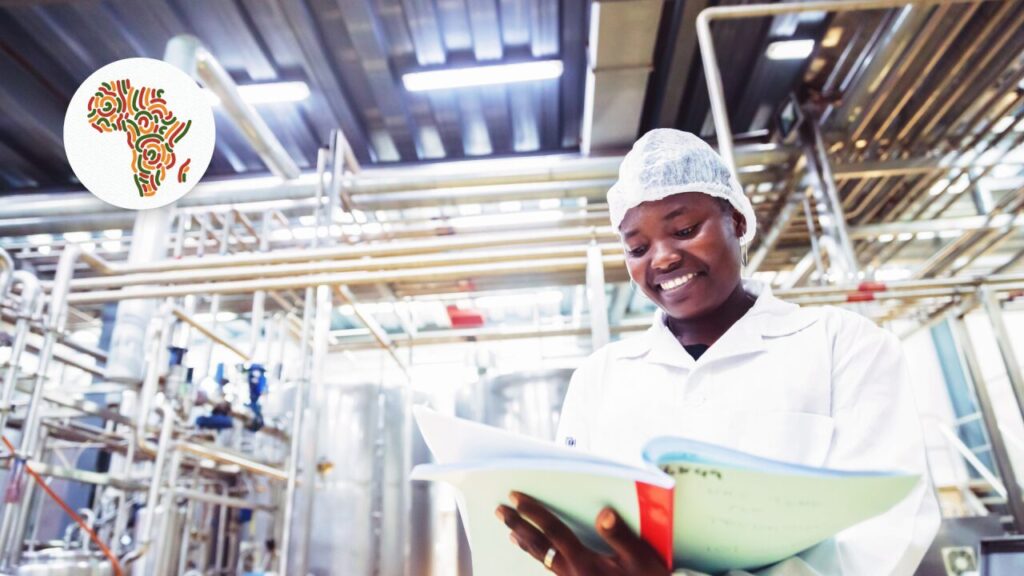
Electronics, textiles and pharmaceuticals have emerged as priority sectors, supported by targeted incentives and skills development programmes.
For Tanzania, this shift aligns closely with national industrialisation goals under Dira 2025.
However, the report underscores that industrial success increasingly depends on regional scale. Intra-COMESA investment remains low – only 3 per cent of greenfield projects originate within the bloc – highlighting untapped potential for regional capital mobility.
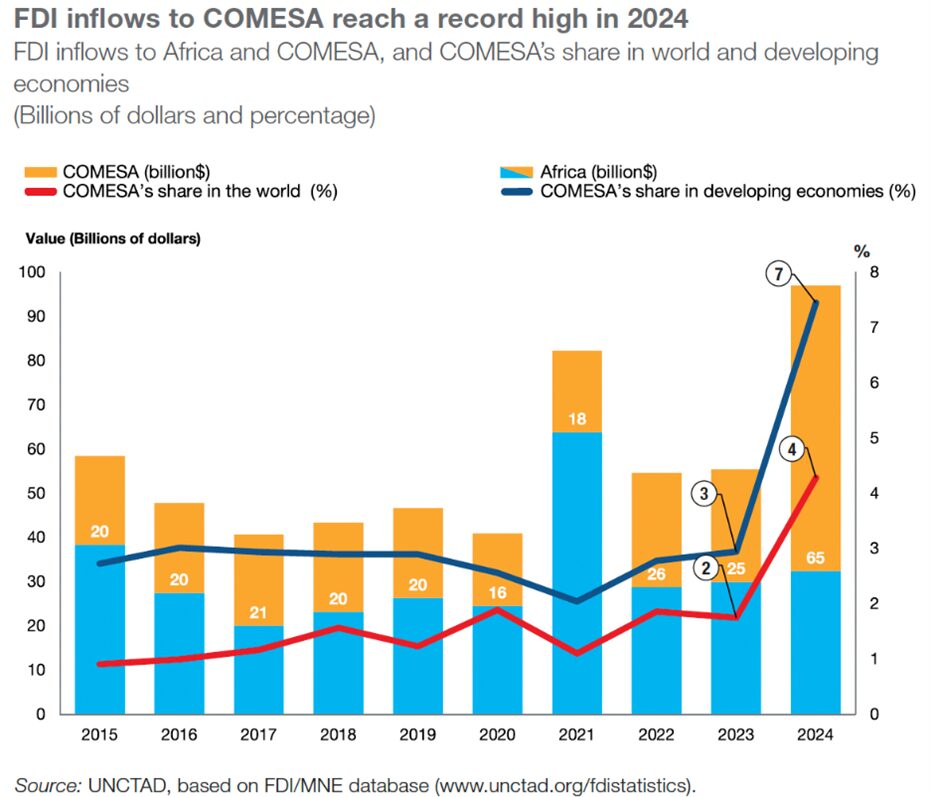
The lesson for Tanzania is that manufacturing competitiveness cannot be built in isolation. Access to regional inputs, markets and logistics networks is critical. As COMESA modernises its investment agreements and harmonises industrial policies, East African manufacturers will face both competition and opportunity. If Tanzania can integrate its industrial parks, SEZs and supplier ecosystems with regional value chains, it stands to benefit from the next phase of African industrial investment – one that is smaller in headline value but deeper in economic impact.