By Business Insider Reporter
The Confederation of African Football (CAF) has ushered in a major transformation of the continent’s football calendar: the African Cup of Nations (AFCON) will switch from a biennial to a four-year cycle starting in 2028, aligning more closely with the European a and addressing long-standing tensions between club and national team schedules.
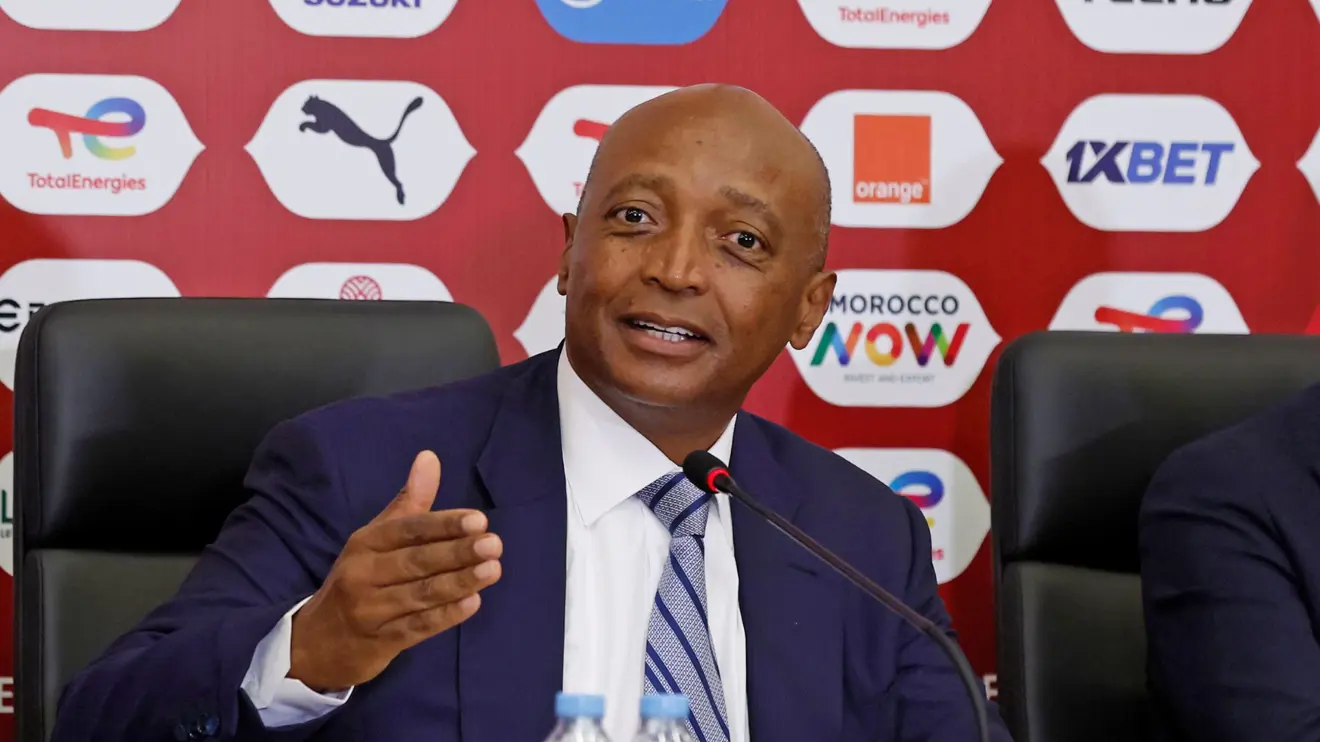
CAF President Patrice Motsepe said the move is aimed at reducing the fixture congestion that has frustrated European clubs whose African internationals are often called away mid‑season.
AFCON – launched in 1957 with just three teams (Egypt, Ethiopia, and Sudan) – has become Africa’s most prestigious football showcase. The shift to a quadrennial rhythm is expected to enhance player welfare, improve planning for clubs and federations, and elevate African national teams’ competitiveness on the global stage.
In tandem with the AFCON reform, CAF is introducing an African Nations League (NL), an annual competition featuring all 54 CAF member associations. Each federation will receive US$1 million annually — five times the previous allocation – a boost that could significantly strengthen grassroots programs, coaching development, and domestic league infrastructure across the continent.
AFCON 2025: Tournament background & ongoing results
The 2025 Africa Cup of Nations – hosted in Morocco from December 21, 2025 to January 18, 2026 – has already delivered thrilling early action and unexpected storylines.
The expanded tournament features 24 teams across six groups and includes Africa’s top stars like Mohamed Salah, Victor Osimhen, and rising talents like Senegal’s Nicolas Jackson, who scored twice in Senegal’s 3-0 win over Botswana in their opener.
Egypt secured a late 2-1 victory over Zimbabwe thanks to a stoppage-time goal from Mohamed Salah, underlining the Pharaohs’ ambitions to go deep in the competition.
Burkina Faso staged a dramatic comeback against Equatorial Guinea, scoring twice in stoppage time to win 2-1 and make a strong statement in Group E.
The Guardian
Taifa Stars at AFCON 2025: Results and what’s next
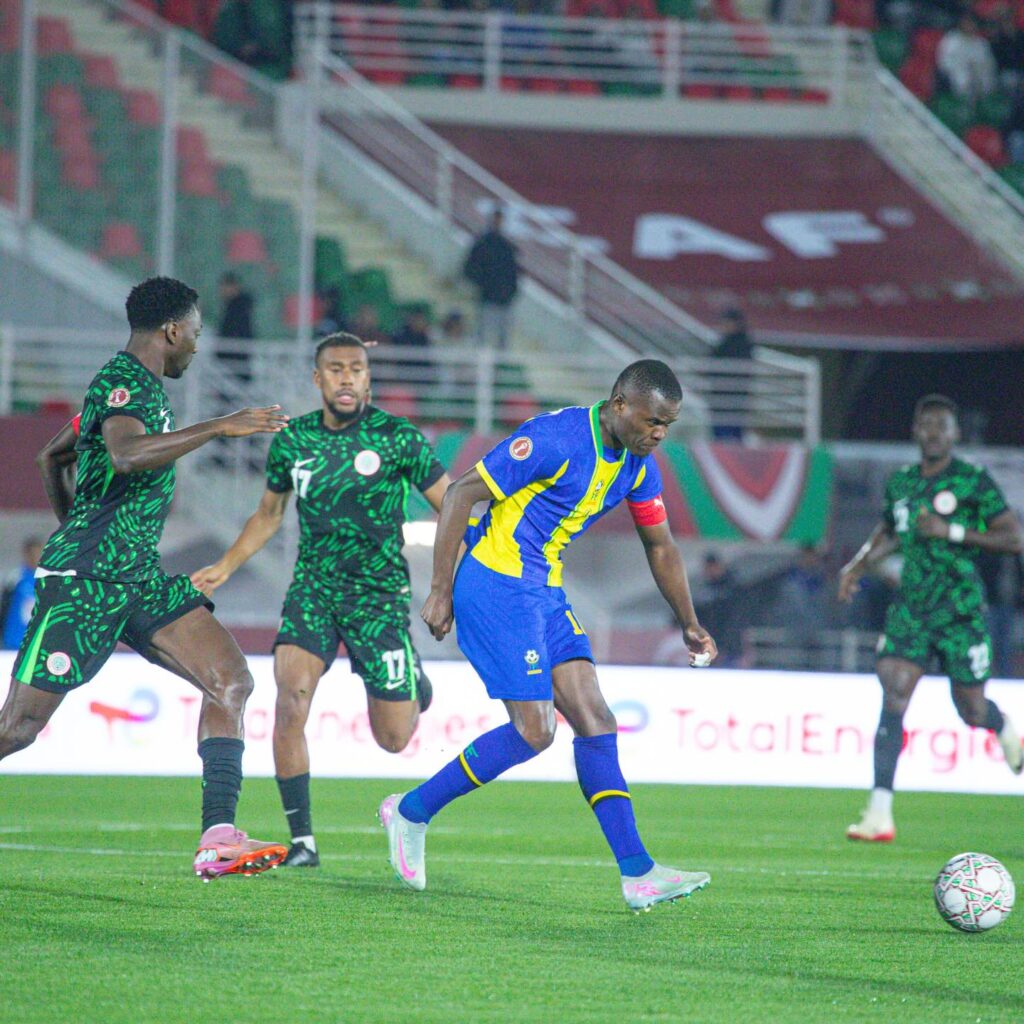
Taifa Stars opened their AFCON campaign with a hard-fought 2-1 loss to Nigeria in a Group C fixture at the Fez Stadium on December 23, 2025.
Despite a spirited performance and rare group stage lead during the match, Tanzania couldn’t hold off Nigeria’s quality – with Ademola Lookman scoring the decisive goal for the Super Eagles.
The result leaves the Taifa Stars with an uphill battle in Group C, but their competitive showing against one of Africa’s traditional powers has boosted morale and belief.
For Tanzania, earning points against teams like Uganda and Tunisia in the remaining group matches will be critical if they are to reach the knockout stages for the first time in their history.
Taifa Stars AFCON schedule & stakes
Here’s Tanzania’s remaining fixtures:
27 December 2025 – Uganda vs Tanzania
30 December 2025 – Tanzania vs Tunisia
Uganda match
This fixture is Tanzania’s best immediate opportunity to claim a first AFCON 2025 point. A positive result could keep their qualification hopes alive, especially given the tightly packed group.
Tunisia match
While Tunisia is a strong side and group favorite, this match could be decisive for final positioning – even if the Stars need a favorable result elsewhere to advance. Strong performances here would signal progress in Tanzania’s football development and boost confidence ahead of future tournaments.
For a team still seeking its first AFCON win in finals football, Tanzania’s spirited play and narrow margin against Nigeria could be a springboard to greater achievements. It’s an important moment for national pride, commercial growth, and the rising profile of East African football on the continental stage.
Broader implications CAF’s reforms, combined with the drama of AFCON 2025, reflect a pivotal era for African football. Moving AFCON to a four-year cycle and launching a Nations League (NL) not only signal a more sustainable calendar but also foster financial support and competitive continuity that could ripple positively into World Cup cycles and club football development across Africa.