
By Business Insider Reporter
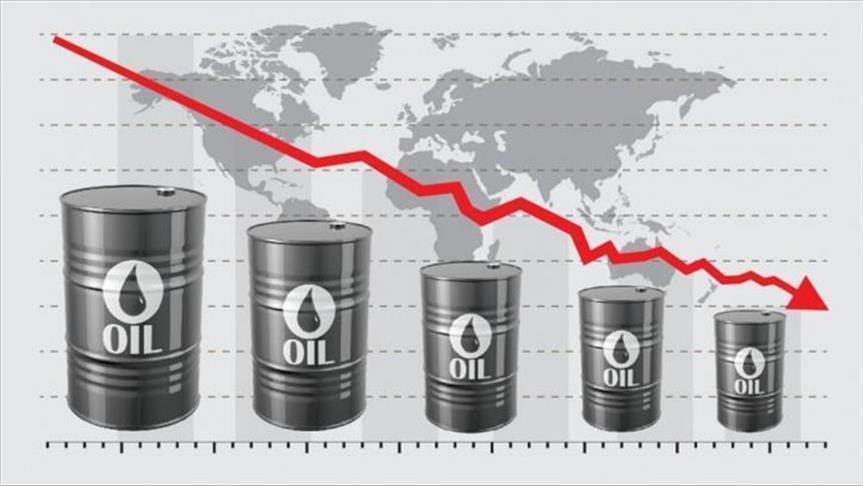
Crude oil prices slumped to their lowest levels on December 16 since early 2021, pressuring global energy markets as hopes of a peace deal between Russia and Ukraine grow and an oversupply looms into 2026.
Since then brent crude – the global benchmark – is trading around US$60 per barrel, and US West Texas Intermediate (WTI) near US$55-US$56, levels last seen in 2021 when oil briefly dipped amid pandemic recovery volatility.
The downturn in crude prices follows signs that geopolitical risk premiums are shrinking and that oil inventories have swelled, dampening demand indicators – particularly in China and other major consuming economies.
Markets are also pricing in a significant supply surplus forecast for 2026, heightening bearish sentiment.
Impact on Tanzania’s fuel prices and consumers
For Tanzania’s policymakers, consumers and businesses alike, the evolving oil price landscape offers a mix of short-term economic relief and longer-term strategic considerations, particularly around energy security and diversification as global markets continue to adjust.
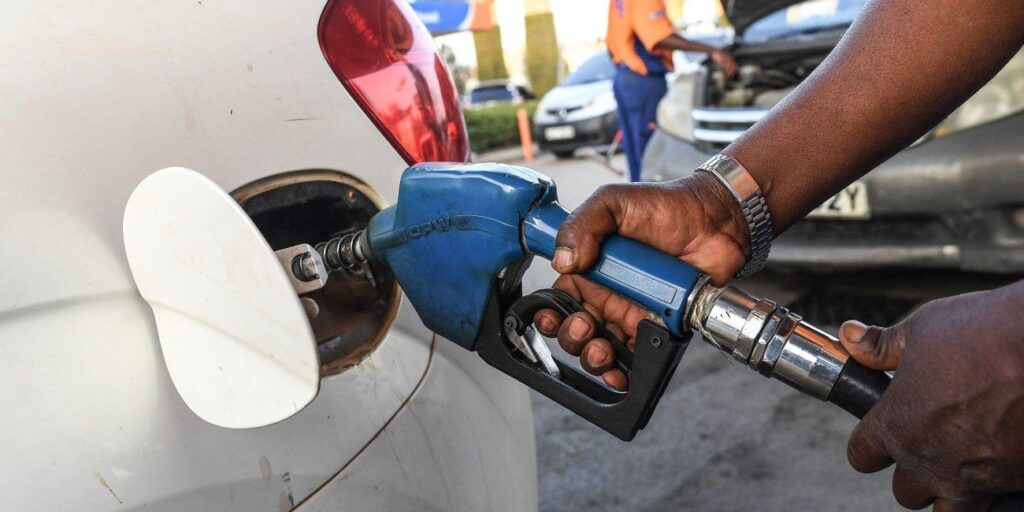
The Energy and Water Utilities Regulatory Authority (EWURA) has translated these global trends into modest movements in domestic pump prices, with petrol in Dar es Salaam capped at about TSh 2,749 per litre, diesel at TSh 2,779/L, and kerosene at TSh 2,653/L, effective December 2025.
Dr. James Mwainyekule, EWURA’s Director General, noted that the slight drop in petrol prices reflects lower Free On Board (FOB) import costs from the Gulf and adjustments in pricing premiums at Tanzania’s ports, although exchange rate movements continue to exert influence.
For consumers, the current price environment provides some relief at the pump, with previous months seeing retail petrol prices around TSh 2,752 and diesel at TSh 2,704 per litre in November 2025, before the December cap was applied.
Benefits for Tanzania’s economy
As an oil-importing economy, Tanzania stands to benefit from sustained lower global crude prices in several ways:
Reduced Fuel Import Bills:
Tanzania’s oil import bill for the year ending May 2025 declined to about USD 2.52 billion, down from approximately US$ 2.79 billion a year earlier, as global demand softened and benchmark prices eased.
“Oil imports declined by 12.5 percent to US$ 2,394.4 million in the year ending November 2025, largely reflecting lower prices in the global market,” the Bank of Tanzania notes in the December Monthly Economic Review.
Improved Trade Balance:
Lower import costs help narrow the trade deficit and relieve pressure on the current account, freeing vital foreign exchange reserves for other priority areas.
Lower Consumer and Business Costs:
Moderated fuel prices reduce transport and logistics costs for businesses, and may temper inflationary pressures on essential goods and services.
Economists caution, however, that the full benefit of lower global prices can be tempered by currency movements and domestic taxes or levies, which also feed into pump prices. Moreover, continued oversupply without corresponding demand growth could keep prices weak well into 2026.
Global context: 2021 vs. 2025
In contrast to today’s subdued market, Brent crude ranged higher throughout 2021, with averages above US$70-US$75 per barrel as post-pandemic demand rebounded and supply constraints tightened global markets. The current slide toward sub-US$60 levels in late 2025 marks a notable shift, influenced by geopolitical developments and an evolving supply-demand balance, with analysts warning of continued volatility if oversupply persists.