By Business Insider Reporter
The air in Singida, central Tanzania, shimmered with the intense, relentless heat that defines the region – a heat that was once merely a challenge, but is now swiftly becoming the nation’s greatest asset.
For decades, villages like Itigi felt a million miles from the national grid, trapped in a cycle of dim kerosene lamps and expensive, unreliable diesel generators. The national narrative often focused on the sheer difficulty of extending traditional infrastructure across Tanzania’s vast, varied landscape – a task deemed too logistically challenging and prohibitively expensive for scattered, remote communities.
Yet, a fundamental shift was underway, driven by the ambitious goals laid out in the National Renewable Energy Strategy (2024–2034). The document didn’t just mention solar; it identified at least a quarter of the country’s underserved regions as perfectly viable for rapid renewable deployment. Tanzania was finally beginning to understand and champion its own golden potential.
The dawn of local power
The story of change began not with a government mandate, but with a community taking ownership. In Itigi, the installation of a decentralised solar mini-grid became the catalyst.
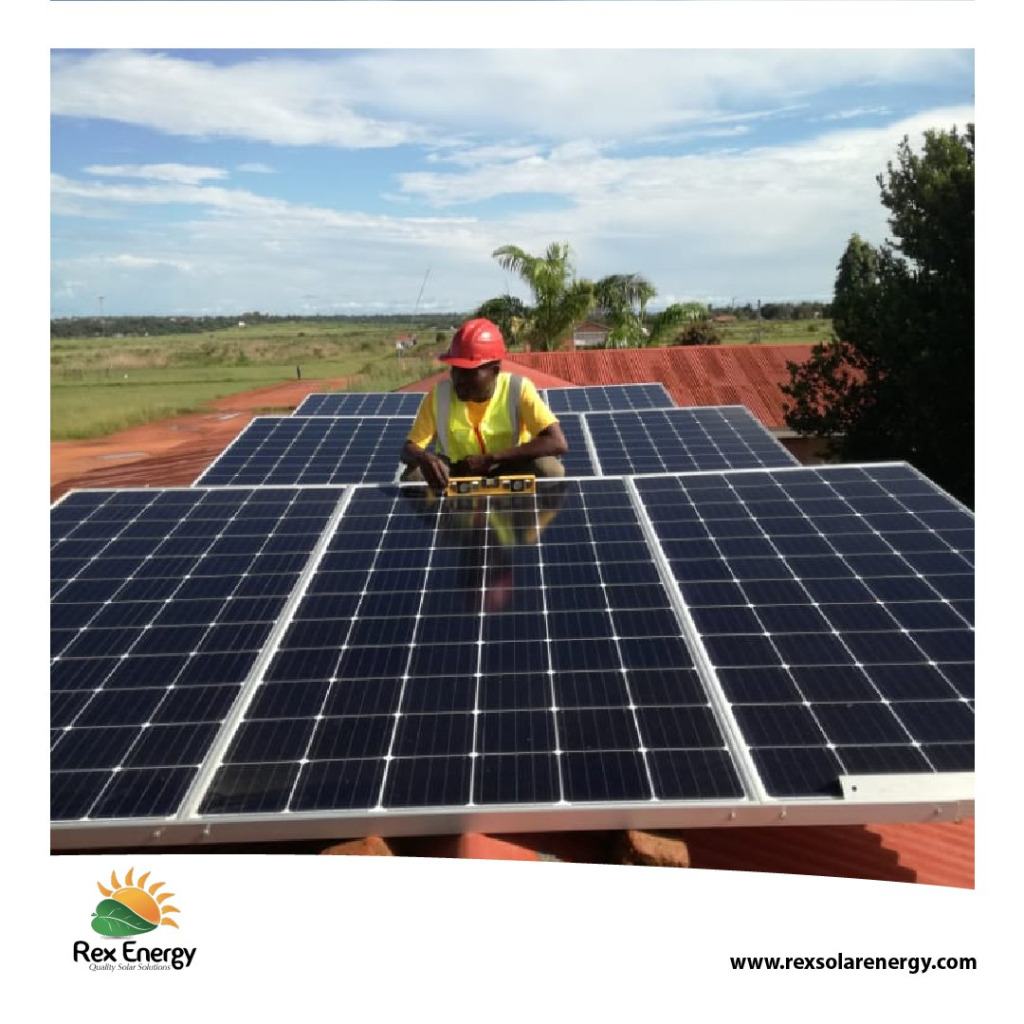
Unlike the complex, massive hydropower projects that dominate the national discourse – or even Kenya’s impressive Olkaria geothermal complex – the Itigi solution was practical, scalable, and immediate. Panels were deployed quickly; the maintenance was minimal. Combined with state-of-the-art battery storage, the system delivered the kind of reliable and continuous power that had previously been unimaginable.
The impact was immediate and profound. The local primary school, previously unable to use computers, began digital literacy classes. The small health clinic, which had struggled to refrigerate essential vaccines, installed a reliable cold chain, drastically improving community health outcomes. A young entrepreneur, Neema, opened a barbershop, powered by the sun, allowing her to operate well into the evening – her revenue instantly tripled.
“Before, darkness came quickly,” Neema explained, carefully trimming a customer’s hair under the clear, bright glow of an LED bulb. “Now, the sun works for me, even at night. This isn’t just power for light; it’s power for progress.”
Technology as the engine of trust
Tanzania, alongside its East African neighbours like Uganda and Kenya, understood that simply installing the infrastructure was only half the battle. The long-term success – the true unlocking of potential – lay in sustainability and transparency.
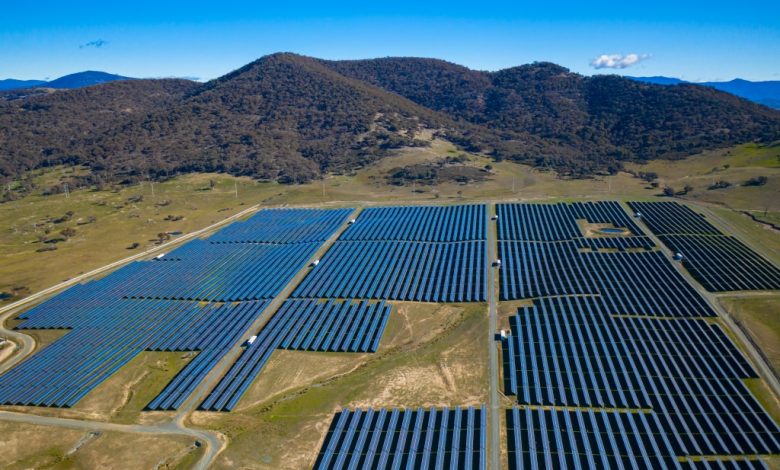
The Itigi project utilised a cutting-edge remote monitoring system. This technology was critical not only for maintaining operational efficiency—allowing technicians to respond to issues faster and pre-empt outages—but also for building investor confidence. Funders in Dar es Salaam and London could see, in real-time, the energy output, the consumption patterns, and the direct impact of their investment. This level of transparency dramatically lowered the perceived risk of investing in remote, off-grid solutions.
While the contexts across East Africa differed – Uganda had made notable strides in broader access since 2016, and Kenya was a pioneer of off-grid solutions – Tanzania focused on adapting these proven, decentralised models.
The ability to replicate and adapt successful concepts, such as central power systems supporting multiple community services, accelerated the deployment rate far beyond what traditional infrastructure roll-outs could achieve. In the glow of the Singida sun, converted into clean, reliable power, Tanzania was not just building a sustainable energy future; it was building sustainable communities. By leveraging its vast solar potential, the nation was transforming its greatest geographical challenge into its most exciting economic opportunity, driving genuine economic growth and improving millions of lives, one solar installation at a time.