By Business Insider Reporter
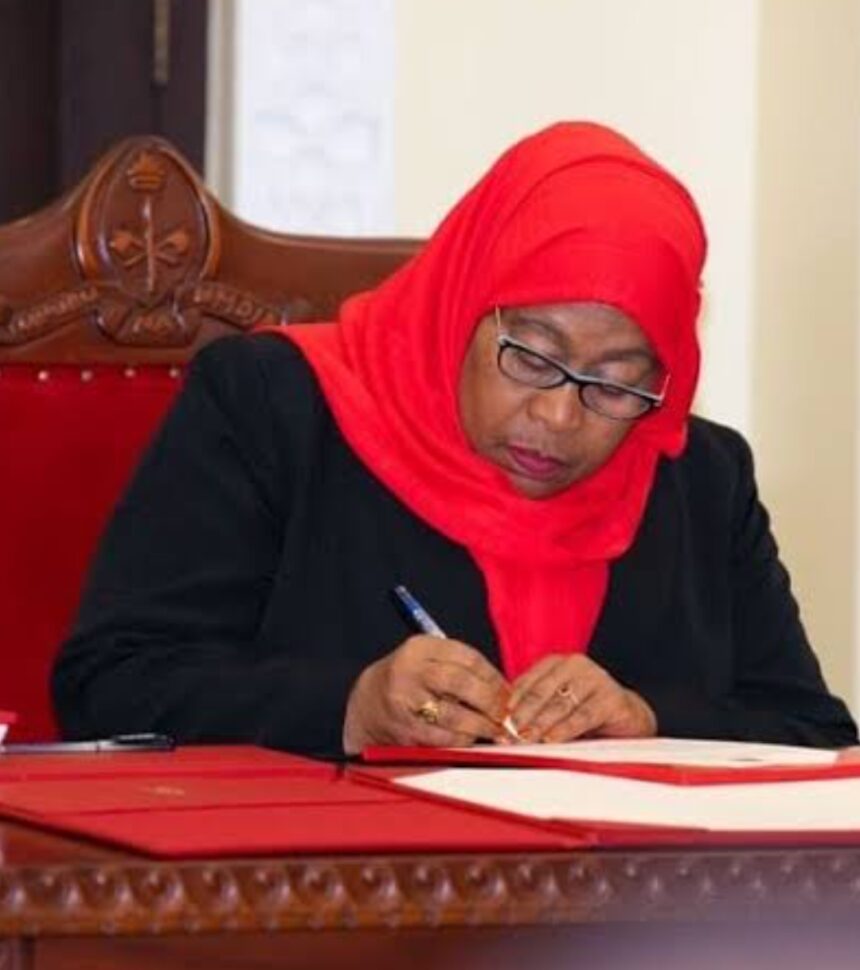
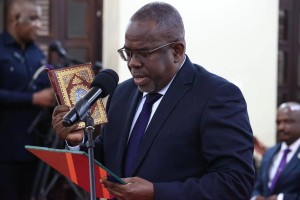
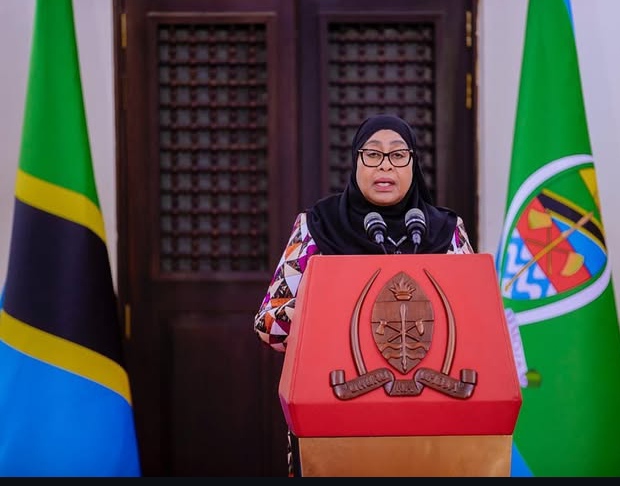
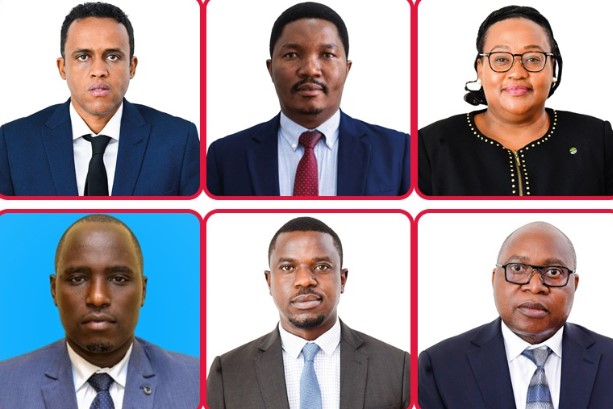
President Samia Suluhu Hassan has issued a blunt and reform-focused charge to her newly appointed ministers, minutes after swearing them in at Chamwino State House in Dodoma on Tuesday November 18, 2025, setting the tone for what she called the “second part” of her administration’s Sixth Phase Government.
In short but a candid and highly strategic address, President Samia reminded the ministers that their appointments were neither rewards nor symbols of prestige, but responsibilities anchored in service to Tanzanians.
The message, coming at a time of heightened public scrutiny and economic challenges, signalled a decisive shift in pace and expectations for the next five years of her administration.
Reflecting on the first phase of her tenure, President Samia thanked outgoing ministers for their contributions and emphasised that leadership roles in government are inherently rotational.
“These roles are not trophies. We are here to witness you being assigned duties, and it is my belief that you will carry them with the spirit of serving the people. These are responsibilities, not reasons for personal pride,” she said.
She warned that any minister who treats the portfolio as a personal accolade rather than a public duty would “see us following you closely, step by step.”
Focus on domestic resource mobilisation
Remining the ministers that the post election violence has dented the country image before the international community, President issued a strong mandate to the newly appointed minister, urging them to “hit the ground running” and immediately address the substantial responsibilities awaiting them.
The President underscored a critical shift in the government’s approach to financing national development projects. She explicitly stated that “gone are the days” when the government could heavily rely on securing foreign donations, grants, and concessional loans for the implementation of essential local projects.
The impact of recent political events
President Samia provided context for this change, referencing events that transpired “during and after the election.” She acknowledged that these incidents have negatively impacted the country’s image and reputation within the international community, which, in turn, has created a “dent” in trust and goodwill.
“Our resources are limited, and often we rely on loans and assistance,” she said. “What has happened in our country has dented our credibility. That stain may set us back.”
This dent, she explained, makes it significantly more challenging to access traditional forms of international financial assistance or “alms.”
In response, she declared that the second phase of her government would prioritise funding major national projects through domestic resources, shifting away from dependency on foreign financing.
“In the second phase, we shall start projects with our own funds. Development partners will find us already in motion,” she said. “We will no longer beg for projects; we shall begin, and those with objections will meet us halfway.”In light of these challenges, the President stressed that the nation must embrace a new philosophy of self-reliance. She affirmed that the responsibility now falls squarely on the country to aggressively mobilize and optimize local resources -including domestic tax revenue, public-private partnerships, and internal borrowing – to ensure the continued implementation and completion of vital development projects.
This directive highlights a strategic pivot toward economic sovereignty and an intensified focus on efficiency and fiscal management within the new ministerial portfolio.
Human dignity at the centre of governance
Emphasising ethics and public conduct, President Samia said the Sixth-Phase Government must be defined by its respect for human dignity.
“In our work, let us uphold humanity. Humanity begins with us and extends to reinforcing the dignity of our people – the dignity of every Tanzanian,” she said.
This aligns with her wider governance philosophy which, since 2021, has emphasised consensus, calm political space and institutional reforms after years of heightened tension.
Cabinet shake-ups will continue if needed
In a strikingly direct remark, President Samia addressed public concerns over frequent cabinet reshuffles.
“I have heard people say I change ministers too often,” she said. “Yes, I do – and I will continue to do so until I find the right fit. So, be alerted that if you do not meet our expectations I will not hesitate to make changes.”
The comment underscores her reputation for assertive performance management, a hallmark of her tenure, which has seen multiple ministerial rotations aimed at improving efficiency and accountability.
Fast implementation and a tight timeline
President Samia reminded ministers that the government had made far-reaching promises – but time is not on their side.
“We have promised so much, and the time to deliver is extremely limited,” she stressed. “Those who have taken their oaths today, if you feel heavy, lighten yourselves. We have to move quickly because the time is short and the tasks many.”
She urged ministers responsible for 100-day commitments made during the election campaigns to “accelerate aggressively” to meet them. Nearly two weeks into the new term, she said, implementation must begin immediately.
Clear direction and collective accountability
The President announced a working session scheduled for tomorrow at 10 a.m. involving ministers and deputy ministers, followed by a full retreat to orient them on national priorities, the economic situation and their individual mandates.
“I do not want a process that looks good only on paper. I want impact – not files piling in my office,” she said.

In closing, President Samia offered both encouragement and a sober reminder.
“There are more than 300 Members of Parliament, yet you are the ones chosen to assist the President in these ministries,” she said. “It is not because you are better than everyone else.” She emphasised that the cabinet reflects a deliberate mix of professional, social and political backgrounds, united by one goal: to serve Tanzanians.