
By Business Insider Reporter
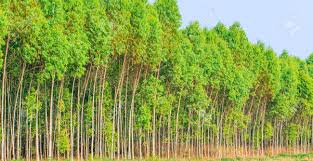
A landmark ruling by Kenya’s Environment and Land Court banning the planting of eucalyptus trees near water sources will most probably send ripples across East Africa, prompting renewed scrutiny of forestry practices that threaten vital ecosystems.
Justice Mugo Kamau, sitting in Ol Kalou, ordered that eucalyptus trees must not be planted within 30 metres of rivers, lakes, wetlands, dams and oceans, or within 10 metres of neighbouring plots. The court also instructed Parliament to enact a law regulating eucalyptus cultivation within 12 months, with interim restrictions in place nationwide.
The judgment followed a 2022 petition by environmental lawyer Wilfred Omariba, who argued that decades of unregulated eucalyptus planting had depleted rivers and wetlands, particularly in Kisii and Nyamira counties.
“For over 40 years, these trees have been planted under government supervision with no law to regulate their impact,” Omariba said.
Regional implications
The ruling is likely to influence forest management policies beyond Kenya’s borders, especially in neighbouring Tanzania, Uganda, and Rwanda – where eucalyptus is widely used for timber, firewood, and poles due to its rapid growth and economic value.
In Tanzania, where eucalyptus plantations are expanding across highland regions such as Iringa, Njombe, and the Southern Highlands, environmentalists have warned that the species’ high water uptake poses a risk to catchment areas feeding major rivers like the Great Ruaha and Pangani.
A similar debate has been ongoing in Uganda, where communities near Lake Victoria have raised concerns that eucalyptus farming is lowering the water table and affecting crop yields.
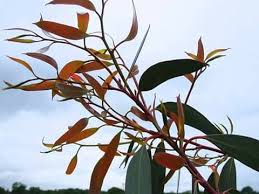
“Kenya’s ruling may set a precedent for East Africa,” said a forestry expert at the University of Dar es Salaam. “Governments in the region could adopt similar restrictions to protect wetlands and water catchments, especially given shared ecosystems like Lake Victoria.”
Balancing green goals with water security
The court decision comes at a time when East African nations are pushing ambitious tree-planting campaigns to combat deforestation and climate change. Kenya, for instance, aims to plant 2 billion trees annually, while Tanzania targets 15 million trees per year. However, experts warn that species choice matters as much as numbers.
A turning point for sustainable forestry
The Kenyan court has given the government 45 days to implement the ruling, offering a window for ministries and counties to develop compliance guidelines. The decision is being hailed as a victory for environmental governance — one that may inspire neighbouring countries to re-evaluate how economic forestry aligns with ecological sustainability. “This judgment sends a strong message across the region,” Omariba said after the ruling. “It’s not enough to plant trees; we must plant the right trees, in the right places, for the right reasons.”