By Business Insider Reporter
Tanzania is positioning itself to play a central role in a new regional plan to mobilise pension assets for large-scale infrastructure investment – a move that could redefine how East Africa funds its own development amid tightening global credit and growing public debt.
The idea, unveiled at the All Africa Pension Summit (AAPS) 2025 held in Kampala, Uganda, aims to pool over US$400 billion in pension assets from across East Africa into structured investment funds dedicated to infrastructure, housing, and energy.
For Tanzania, where the National Social Security Fund (NSSF) and the Public Service Social Security Fund (PSSSF) together manage trillions of shillings in assets, this represents a powerful opportunity to unlock long-term financing for strategic projects.
From savings to development capital
Under the new initiative, pension funds across the East African Community (EAC) – including Tanzania, Kenya, Uganda, Rwanda, Burundi, South Sudan, the DRC, and Somalia – would channel a portion of their investments into priority infrastructure ventures, helping bridge Africa’s estimated US$1.3 trillion annual infrastructure financing gap, according to the African Development Bank (AfDB).
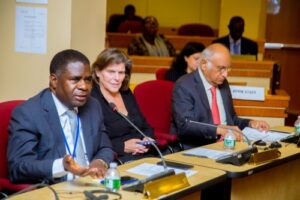
ganda’s Minister of Gender, Labour and Social Development, Betty Amongi Ongom, who opened the summit alongside Prime Minister Robinah Nabbanja and NSSF Uganda Managing Director Patrick Ayota, said African pension assets must be turned into productive capital rather than passive reserves.
“The pensions you manage represent the hard-earned security of our parents, our workers, and our future generations. What legacy are we truly building if these funds are merely held in reserve or empower economies far from our own?” she said.
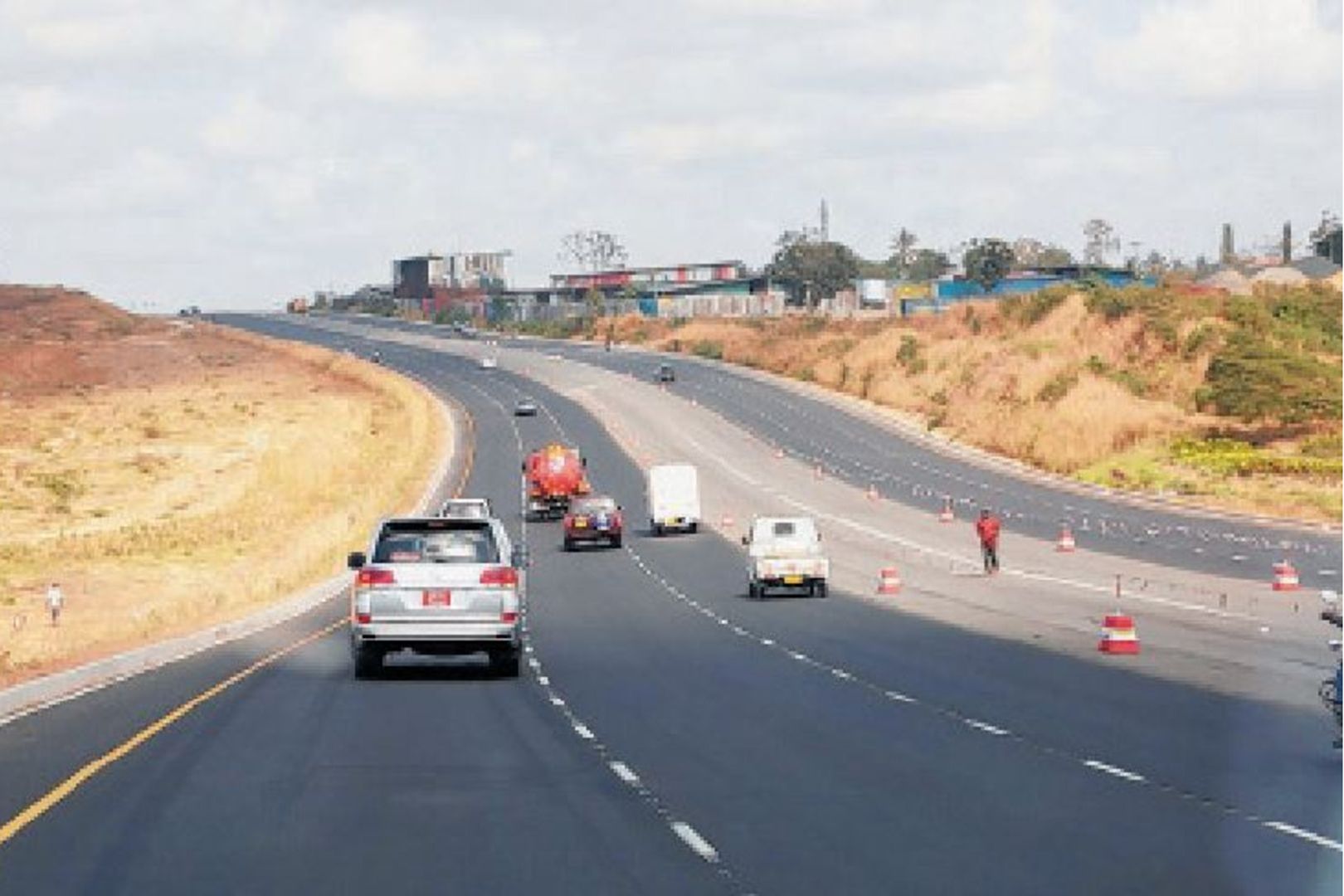
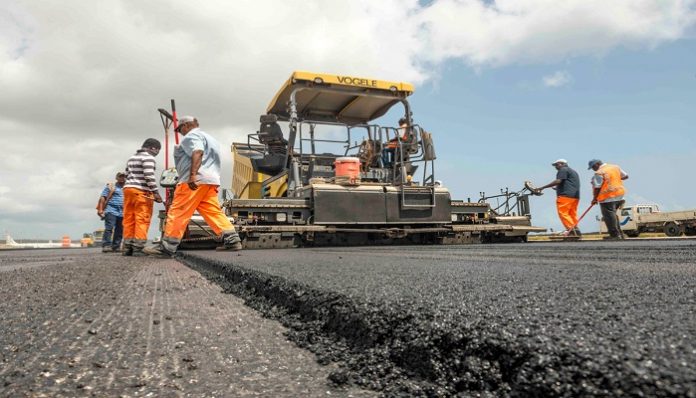
Her message resonates strongly in Tanzania, where pension-backed investments have already been channelled into affordable housing, industrial parks, and transport infrastructure through NSSF and PSSSF. Both institutions are seen as critical players in the regional effort to finance sustainable projects without over-reliance on external borrowing.
Tanzania’s pension strength
Tanzania’s pension sector has grown steadily over the past decade, with combined assets exceeding TSh 20 trillion (about US$7.6 billion), making it one of the largest institutional investment pools in East Africa.
NSSF, for instance, has financed major projects such as Dege Eco Village, Kibaha Housing Estate, and Mafinga Industrial Zone, while PSSSF has invested in commercial buildings, hospitality projects, and urban housing developments.
Economists say such investments are essential to Tanzania’s industrialization drive and President Samia Suluhu Hassan’s infrastructure-led Vision 2050 agenda.
“Mobilising pension assets within East Africa allows Tanzania to finance priority projects like the Standard Gauge Railway (SGR), renewable energy plants, and industrial zones -while keeping returns within the region,” said an economist at the University of Dar es Salaam.
A shift in regional finance thinking
Uganda’s NSSF boss Patrick Ayota told delegates that pension-backed infrastructure investment is not only a financial innovation but also a matter of sovereignty.
“We must stop exporting our capital. The solution lies in pooling pension resources through structured investment vehicles to bridge the infrastructure financing gap, without jeopardising contributors’ security,” he said.

He emphasised that with Africa’s debt levels rising and borrowing costs among the highest globally – averaging 8–9 percent interest compared to 4–5 percent in Asia – self-financed development is both a necessity and an opportunity.
Promise and prudence
Still, analysts warn that greater participation in infrastructure financing must come with robust governance, risk management, and political independence to safeguard contributors’ savings.
“If done right, these funds can catalyse inclusive development. But if poorly managed, they could expose members to significant risks,” said financial analyst Emmanuel Kimambo.
Building regional capital from within
The Kampala summit’s central message – that Africa has the resources to fund its own transformation – reflects a growing determination among regional leaders to use domestic capital for domestic priorities.
For Tanzania, joining a regional pension mega-fund could mean faster completion of infrastructure projects, job creation, and deeper capital markets – all crucial to sustaining economic growth. As Minister Amongi put it, “The greatest risk lies not in investing in Africa’s potential, but in failing to do so.”