By A Special Correspondent
Vodacom Group Ltd reported a 33 percent rise in first-half profit, driven by strong growth across its African operations, which offset a weaker performance in its home market of South Africa.
The company, majority owned by Britain’s Vodafone, said headline earnings per share (HEPS) climbed to 467 cents for the six months ended September 30, up from 353 cents a year earlier.
The figure includes a one-off payment to former employee Kenneth Makate to settle a long-running legal dispute over Vodacom’s “Please Call Me” service.
Group operating profit rose 25.5 percent to 20.2 billion rand (TSh 2.89 trillion), with profit growth across all markets except South Africa. The South African business saw an 11 percent decline in operating profit to 8.8 billion rand (TSh 1.26 trillion), reflecting subdued consumer spending, intensified competition in the prepaid segment, and the legal settlement cost.
Group service revenue increased 12.2 percent to 65.8 billion rand (TSh 9.43 trillion), led by strong performances in Egypt, Tanzania, and Kenya’s Safaricom, in which Vodacom holds a stake.
In Tanzania, Vodacom delivered a solid performance, supported by growth in data usage and M-Pesa mobile money services. The company said expanding its 4G network and digital financial offerings continues to drive double-digit service revenue growth in the market.
Service revenue in South Africa rose 2.2 percent, driven by contract and enterprise services, while prepaid revenue remained under pressure.
Group CEO Shameel Joosub said Vodacom is responding to the challenging South African environment by offering larger data bundles at lower prices and more competitive device deals to attract and retain customers.
“You’ve got a consumer that’s more under pressure, but you’ve also got a lot more competitive competition in the prepaid segment,” Group CEO Shameel Joosub told Reuters.
To help drive growth in prepaid and attract sticky customers, Vodacom is offering bigger data deals at discounted rates and more competitive offers on devices, he added.
In Tanzania, Vodacom remains the undisputed market leader with 31.3 million mobile subscriptions, representing a 31.5 percent market share, according to the Tanzania Communications Regulatory Authority (TCRA).
Its closest competitors, Yas and Airtel, follow with 28.2 percent and 21.9 percent shares respectively, as outlined in TCRA’s Communications Statistics Report for the quarter ending September 2025.
The overall mobile market in Tanzania continues to expand rapidly, with total subscriptions rising 7.1 percent – from 92.7 million in June 2025 to 99.3 million by September 2025 – reflecting strong momentum in mobile connectivity and digital inclusion across the country.
Vodacom Tanzania also leads the fast-growing mobile money ecosystem, commanding 40.9 percent of all e-wallet accounts. These accounts reached 29.4 million in September 2025, up from 28.8 million in August and 28.4 million in July, underscoring the accelerating adoption of digital financial services.
Nationwide, mobile money subscriptions rose 5.3 percent in the quarter – from 68.1 million to 71.7 million – demonstrating the deepening role of digital finance in driving Tanzania’s shift toward a cash-lite economy.
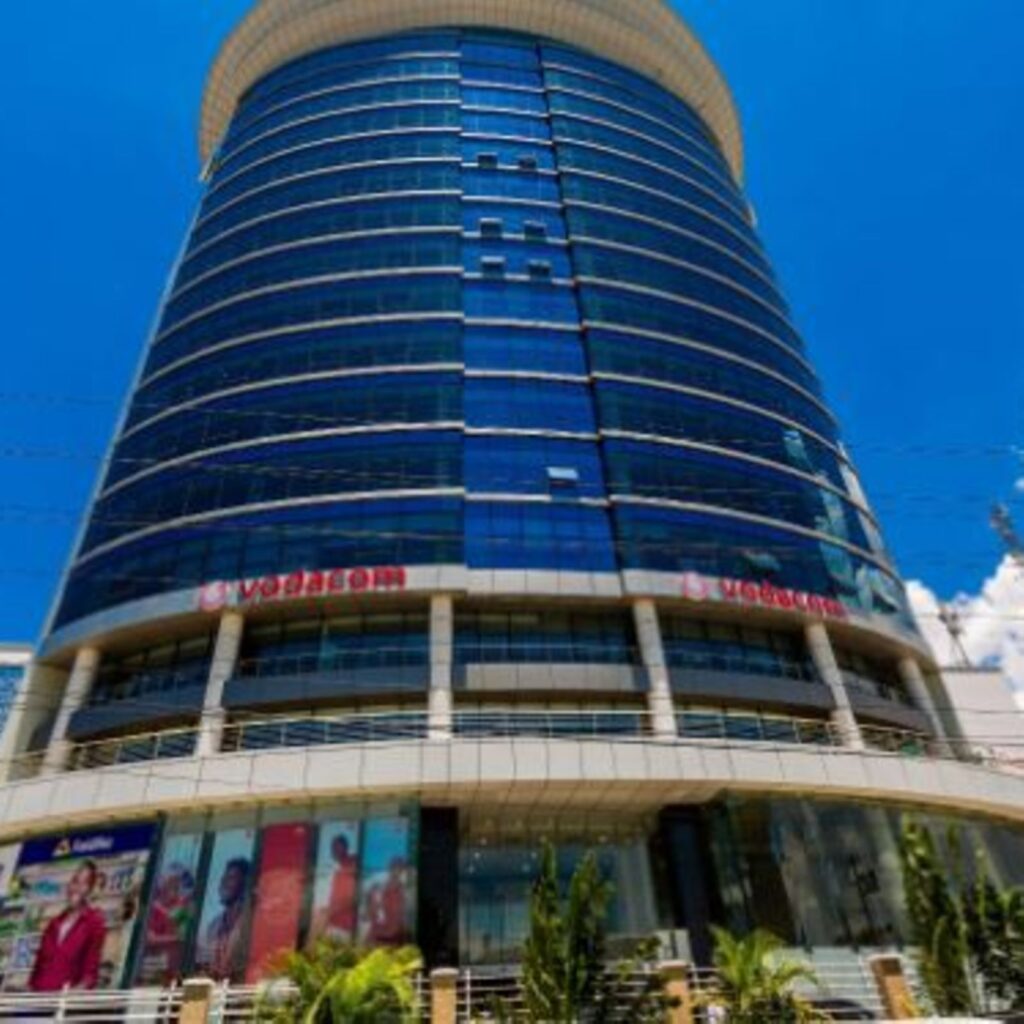
Through its flagship platform M-Pesa, Vodacom continues to expand access to secure, affordable financial services for millions of Tanzanians, supporting small businesses, enabling cross-border payments, and fostering financial inclusion across both urban and rural areas.
As smartphone penetration and data usage rise, Vodacom’s investments in network expansion, digital platforms, and fintech innovation are positioning it at the centre of Tanzania’s mobile-first growth story, where connectivity and financial technology are increasingly interlinked drivers of socioeconomic transformation.
This year, Vodacom Tanzania celebrates 25 years of operation, marking its evolution from a mobile voice provider into the country’s leading digital and financial services company. With over 31 million subscribers and nearly 30 million M-Pesa users, Vodacom has been instrumental in expanding connectivity, financial inclusion, and advancing Tanzania’s cash-lite economy. Through continuous investment in 4G and 5G networks, M-Pesa innovation, and partnerships that promote digital literacy and entrepreneurship, Vodacom has helped bridge the digital divide and empower communities. As it enters its next chapter, the company remains committed to using technology to drive inclusive growth and sustainable development across Tanzania.