By Peter Nyanje
Gulf countries are fast emerging as some of the most influential investors in Africa – and Tanzania is increasingly at the centre of that trend. With investment pledges from the Gulf Cooperation Council (GCC) states reaching nearly US$50 billion by 2023, up from just US$3.2 billion in 2009, East Africa is becoming a focal point for Gulf capital seeking both strategic and commercial returns.
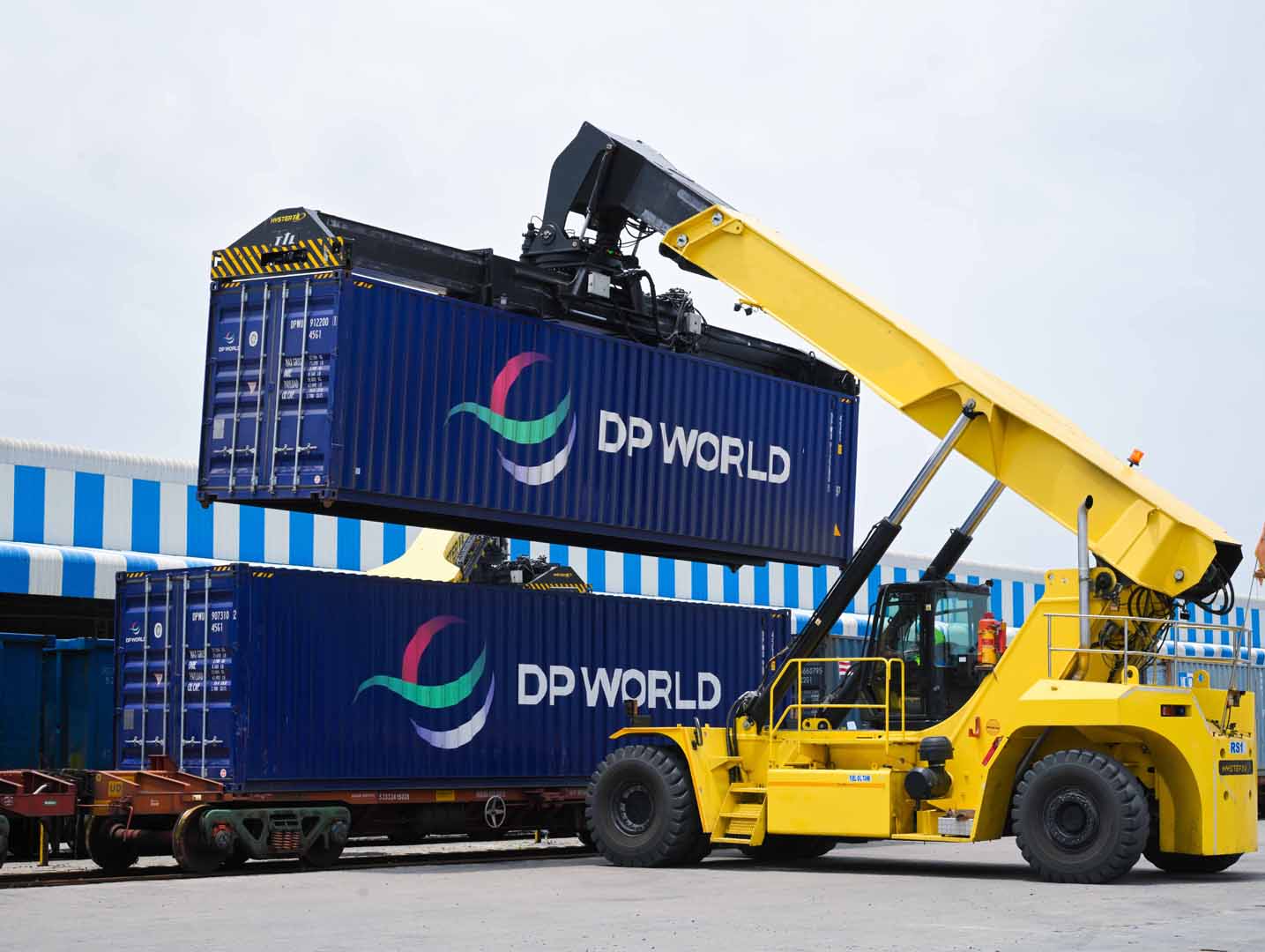
Among the standout investors is DP World, the Dubai-based global logistics giant, whose growing footprint in Tanzania marks a new phase in the country’s infrastructure and trade development strategy.
DP World’s growing footprint in Tanzania
DP World’s partnership with the Tanzanian government to operate and modernise parts of the Dar es Salaam Port – one of East Africa’s busiest maritime gateways – is among the most visible signs of this shift. The company’s multimillion-dollar investment, formalized in 2023, aims to boost efficiency, expand handling capacity, and reduce turnaround times for cargo entering and leaving Tanzania.
The move is part of DP World’s broader African logistics network, which includes port concessions and inland terminals across more than 10 African countries. In Tanzania, the investment aligns with President Samia Suluhu Hassan’s industrialization agenda and vision to make the country a regional logistics hub connecting landlocked economies such as Rwanda, Burundi, Uganda, Zambia, and the Democratic Republic of Congo (DRC).
“The Gulf’s strategic investments are not only about profit — they’re about positioning,” said Dr. Ahmed Ismail, a trade analyst based in Dar es Salaam. “DP World’s operations in Tanzania represent a long-term bet on East Africa’s trade growth, as the region becomes a key link between the Indian Ocean and the Great Lakes markets.”
Beyond ports: Gulf capital targets logistics, energy, food security
While DP World leads in logistics, other Gulf-based entities are also expanding into energy, agriculture, and renewable power across Tanzania. Abu Dhabi’s AD Ports Group and QatarEnergy are exploring opportunities in fuel storage and energy distribution, while Saudi and Emirati agribusiness firms have invested in large-scale farming and food processing projects aimed at improving regional food security.
Tanzania’s abundant arable land, strategic location, and improving investment climate make it an attractive destination for such ventures. In regions like Coast, Morogoro, and Dodoma, Gulf-backed agricultural projects are helping to modernize irrigation and export-oriented crop production.
“Food and logistics are the twin pillars of Gulf investment in Tanzania,” said Fatma Mohamed, an economist with a regional development consultancy. “They’re investing across the value chain – from farm to port – ensuring long-term control of supply routes and regional trade flows.”
Strategic timing amid shifting global dynamics
Analysts note that Gulf states are expanding their African portfolios as traditional players – notably the US, China, and European powers – recalibrate their presence on the continent. The combination of slowing Chinese growth, US policy unpredictability and European disengagement has opened space for Gulf sovereign wealth funds and state-backed companies to fill the void.
For Tanzania, this geopolitical realignment presents opportunities to accelerate infrastructure modernization and diversify financing sources beyond traditional lenders. AfDB data shows that transport and logistics now account for nearly 30 percent of new FDI inflows into Tanzania, with a growing share linked to Gulf partnerships.
A gateway to East African growth
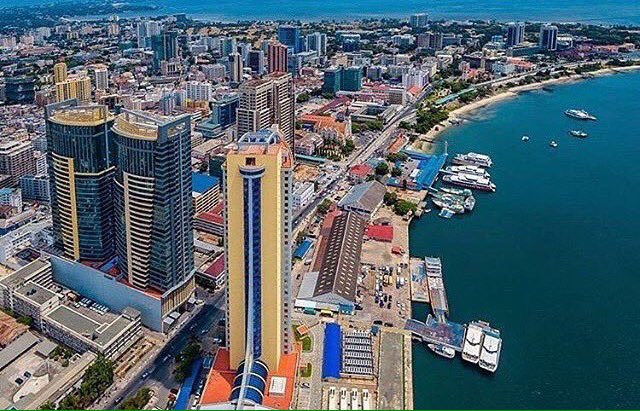
With DP World’s port investment set to unlock new efficiencies, the Tanzanian government anticipates a significant rise in cargo volumes, transit trade, and industrial investment along the Central Corridor linking Dar es Salaam to the Great Lakes region.
The government’s concurrent push to expand the Standard Gauge Railway (SGR) and inland container depots is expected to complement Gulf-backed investments, positioning Tanzania as a pivotal node in East Africa’s emerging logistics ecosystem. “The Gulf’s interest is a vote of confidence in Tanzania’s long-term economic trajectory,” said Dr. Ismail. “As infrastructure improves, the multiplier effect will be felt across manufacturing, exports, and employment – making the country not just a transit point, but a true trade hub for the region.”