
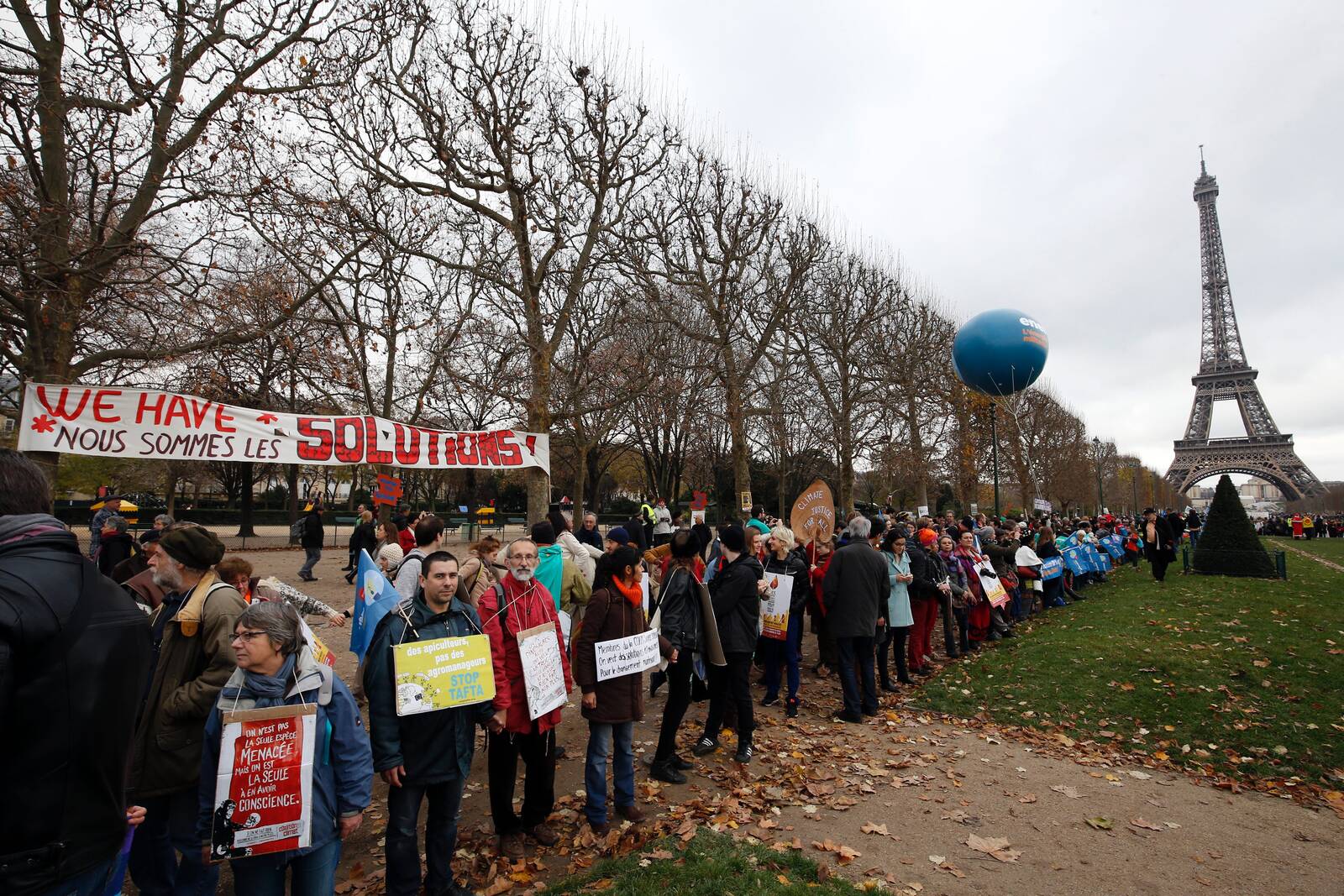
By Business Insider Correspondent
Ten years after the landmark Paris Climate Agreement, the global climate outlook has improved markedly – but not nearly enough to meet the pact’s ambitious goals.
A new analysis shows that, based on current national policies and pledges, the planet is now on track to warm by around 2.8°C by 2100 – far less than the 3.7–4.8°C of projected warming forecast before Paris in 2015.
Yet this remains well above the internationally agreed threshold of “well below 2°C”, which scientists say is essential to avert the worst impacts of climate change.
The shift reflects a decade of extraordinary technological progress. The cost of clean energy has fallen dramatically: solar and battery prices are down nearly 90 percent, while onshore wind is around 70 percent cheaper than a decade ago. This revolution has reshaped the global energy landscape, spurring massive investments in renewables and driving a historic decline in coal use in many economies.
According to new research from the Rhodium Group, emissions from the power sector could fall by half by midcentury if current trends continue – helping limit further warming. The group projects a likely range of 2.3–3.4°C of warming, underscoring how global action has already altered the planet’s trajectory.
Still, the progress is far from sufficient. A separate international scientific assessment warns that 2024 was the hottest year on record, and likely the hottest in 125,000 years. The report notes that climate change is already fueling severe heatwaves, floods, droughts, and wildfires, while pushing ecosystems and societies to their limits.
“The accelerating climate crisis is now a major driver of global instability,” the scientists write. “Avoiding every fraction of a degree of warming is critically important.”
Progress meets politics
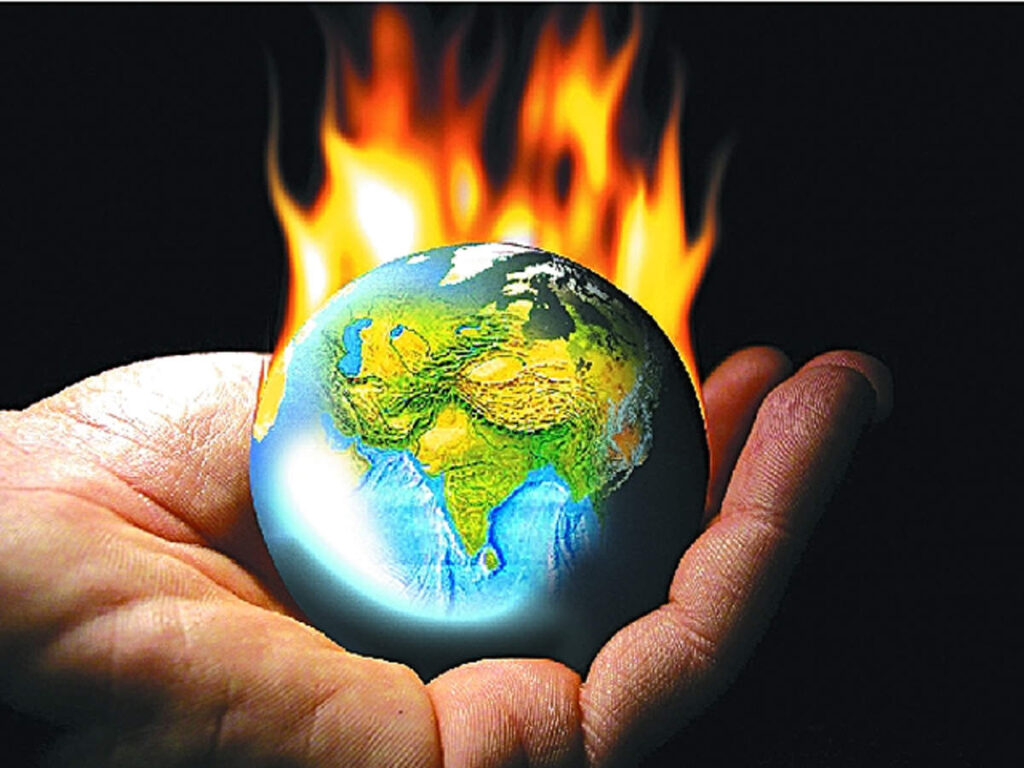
While global emissions growth has slowed, deep cuts remain elusive. Many countries are expanding fossil fuel production even as they pledge carbon neutrality. Political divisions, energy security concerns, and uneven access to finance continue to hinder global decarbonization – particularly in developing nations.
Climate experts say the Paris Agreement has succeeded in one crucial way: it has shifted expectations. No government can now ignore climate policy or the economic transformation it demands. But the next decade will determine whether the world can accelerate from progress to prevention. If the Paris decade was about proving that change is possible, the next must be aabout making it irreversible.