By Business Insider Correspondent
The Northern Mozambique Channel, stretching across the turquoise waters between Tanzania, Mozambique, Madagascar, and the Comoros, is one of the world’s richest marine biodiversity zones.
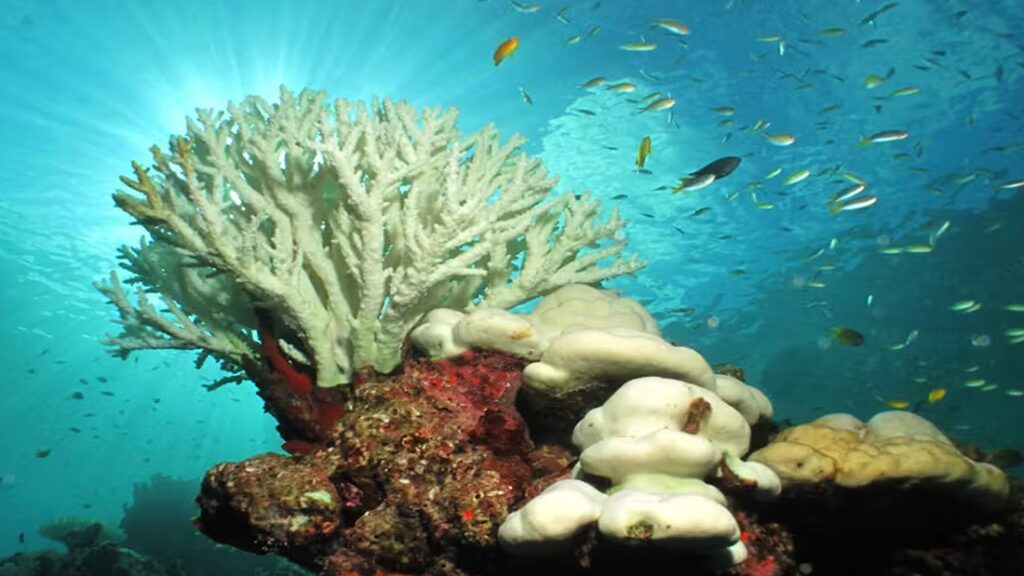
Beneath its calm surface lies a vibrant ecosystem of coral reefs, mangroves, and seagrass meadows that sustain endangered species such as dugongs, whale sharks, and sea turtles.
But this once-thriving ecosystem is now under serious threat. Overfishing, habitat loss, plastic pollution, and rising sea temperatures linked to climate change have taken a toll. To reverse this decline, a major regional effort – “Restoring the Northern Mozambique Channel Region” – is now underway.
The ambitious restoration project brings together governments from Tanzania, Mozambique, Madagascar, and Comoros, with support from UNEP, WWF, and several conservation partners. Its goal: to revive damaged habitats, rebuild biodiversity, and create sustainable livelihoods that reduce pressure on the ocean’s fragile resources.
A Shared Vision: Restoring nature, empowering people
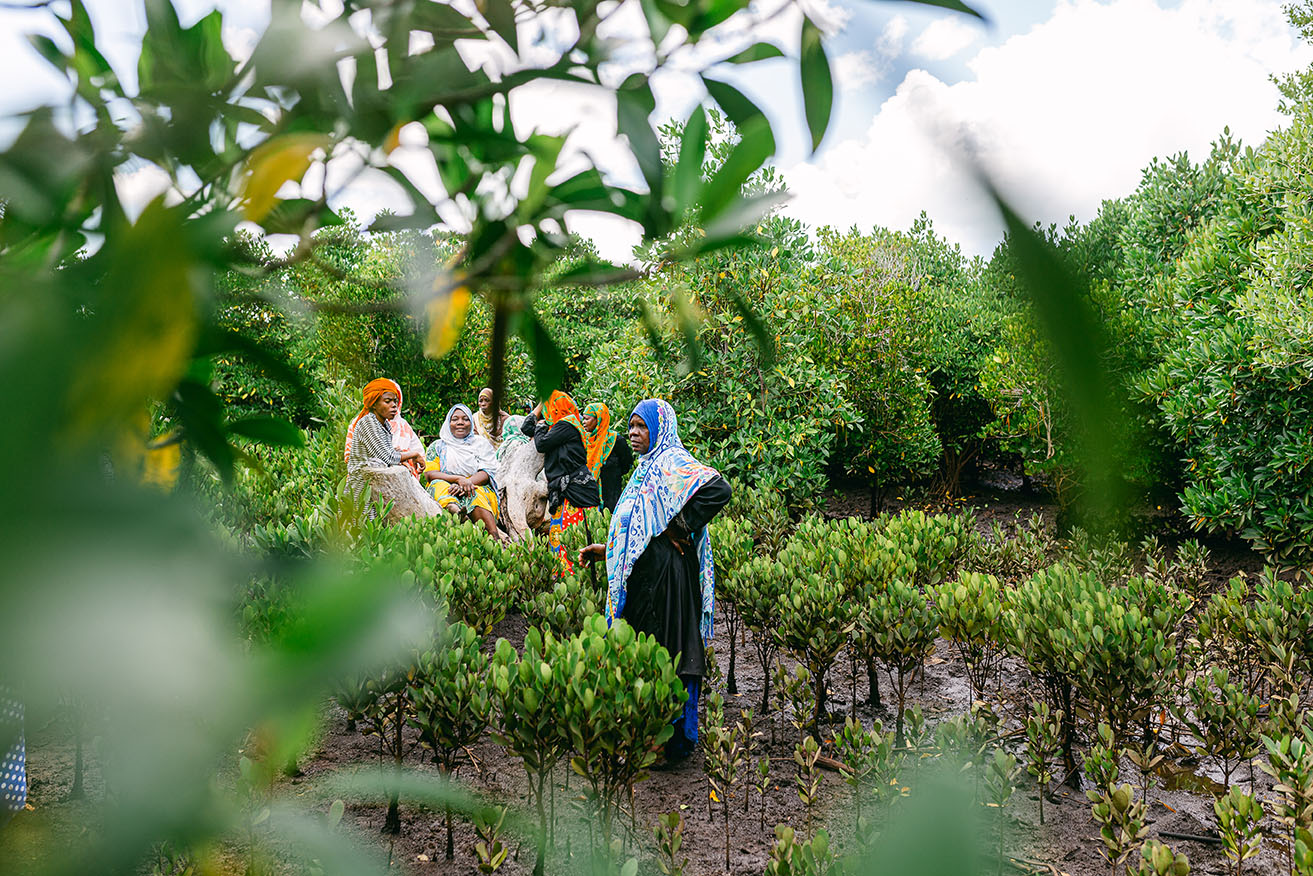
At the heart of this initiative lies a dual mission – to heal nature while supporting the people who depend on it. The project focuses on restoring “blue forests” such as coral reefs, mangroves, and seagrass meadows, alongside “green forests” that protect coastal landscapes.
In Tanzania, these efforts stretch across parts of the Rufiji-Mafia-Kilwa seascape, a UNESCO biosphere reserve that includes the world-famous Mafia Island. Here, restoring mangroves helps protect shorelines from erosion while improving fish stocks and providing sustainable incomes to local communities.
By 2030, the initiative aims to restore up to 4.85 million hectares of land and sea areas, boost household incomes by 30 percent in targeted regions, and strengthen communities’ resilience to the impacts of climate change.
Guardians of the Sea: Protecting turtles and other marine life
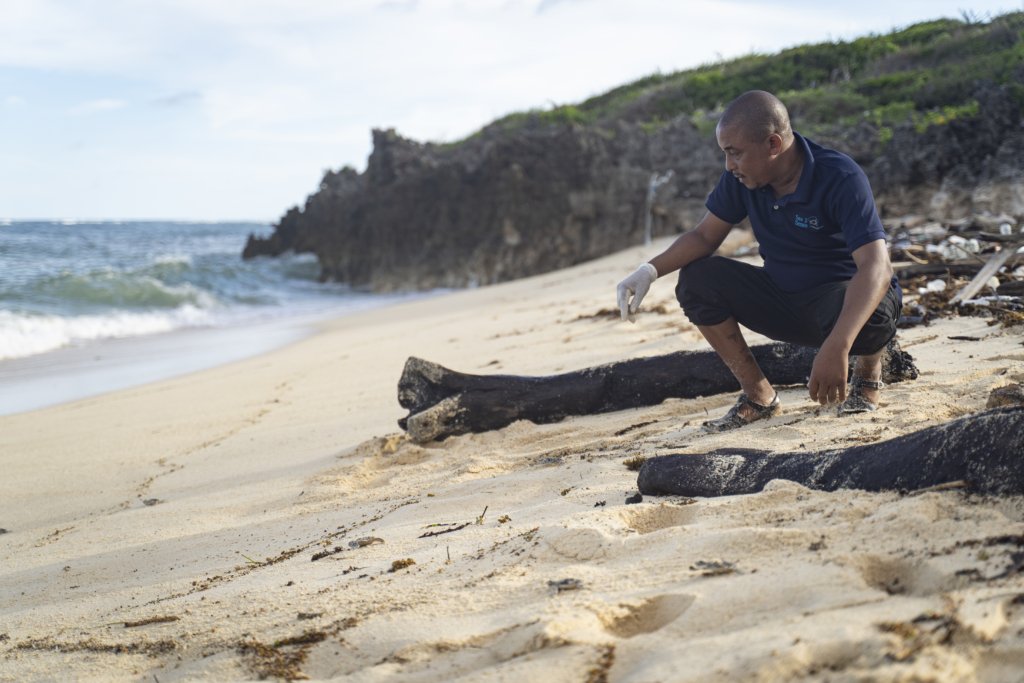
On the beaches of Mafia Island, conservationist Salum Mapoy from Sea Sense Tanzania begins his day clearing sandy pathways to help baby sea turtles reach the ocean. For him, each hatchling represents hope.
“Watching them crawl toward the waves reminds me of how connected we are to nature. Their survival depends on what we do now,” he says.
Tanzania’s coastal waters are vital nesting grounds for endangered sea turtles – and protecting them has become both a conservation priority and a growing tourist attraction. Visitors come from around the world to witness turtle hatchings, swim with whale sharks, and explore the coral reefs that surround Mafia and Pemba islands.
This connection between wildlife and tourism not only creates awareness but also brings income to nearby communities. “When tourists visit, they spend on accommodation, food, and tours, which directly supports conservation,” explains Mapoy.
Ecotourism as a catalyst for change
Ecotourism is emerging as a key driver of both environmental restoration and rural development. The Northern Mozambique Channel is increasingly being recognized as a destination for eco-conscious travelers eager to explore pristine coral reefs and vibrant marine life.
In Juani village on Mafia Island, women have turned to seaweed farming as a sustainable livelihood. The harvested seaweed is processed into soap and body oils, which are sold to tourists.
“This project has changed our lives,” says Fatuma Hassan, one of the women involved. “We earn income without harming the ocean, and our products remind visitors of the importance of conservation.”
Such initiatives illustrate how protecting nature can go hand in hand with reducing poverty -a model that the Northern Mozambique Channel project seeks to replicate across the region.
Regional cooperation for a global goal
The restoration effort forms part of the UN Decade on Ecosystem Restoration (2021–2030), which aims to revive one billion hectares of degraded land and water globally. It also contributes to Africa’s own AFR100 initiative and supports the Nairobi Convention, which focuses on safeguarding the Western Indian Ocean’s health and productivity.
As one of the UN World Restoration Flagship projects, the Northern Mozambique Channel stands out for its integrated approach – combining science, community participation, and economic empowerment.
Tourism and the path forward
Tourism plays a critical role in this transformation. As more travelers seek authentic, sustainable experiences, Tanzania’s southern coast and offshore islands are poised to benefit. From guided turtle walks to eco-lodges that support local conservation, the opportunities are immense.
Visitors not only experience the region’s natural beauty but also contribute to its protection. By supporting conservation-oriented enterprises, they help ensure that the Channel’s ecosystems – and the communities that depend on them – can thrive for generations.
A sustainable future for people and planet
The “Restoring the Northern Mozambique Channel Region” initiative represents more than an environmental campaign – it is a vision for harmony between people and nature. With strong regional cooperation and continued support from conservation partners, the project promises to deliver healthier ecosystems, sustainable livelihoods, and a renewed future for Tanzania’s coastal communities.
As Mapoy reflects while watching the last of the hatchlings disappear into the waves, he smiles: “If they make it, it means hope – not just for the turtles, but for all of us who call this coast home.”