

By Mwanamkasi Jumbe
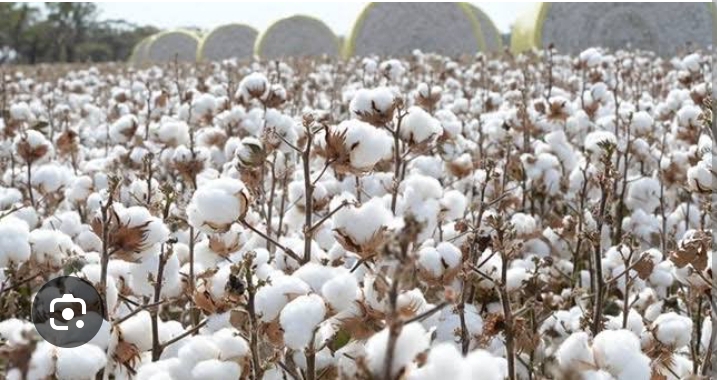
Tanzania’s cotton output for the 2025/26 season is projected to fall sharply below government targets, with the Tanzania Cotton Board (TCB) now estimating production at around 225,000 tons, down from the 400,000-ton national target.
The shortfall reflects a mix of unfavorable weather, policy lapses, and weak adherence to modern farming practices.
According to TCB’s Crop Inspector, Mr. Ally Mabrouk, about 220,000 tons of cotton have already been collected, with a few regions still finalizing their harvests.
“I don’t think we’ll exceed 225,000 tons, as the season is coming to an end,” Mabrouk said, noting that most producing regions have wrapped up their harvests.
Mabrouk explained that the ambitious target was set following promising weather conditions early in the season, but a sudden shift in rainfall patterns from February disrupted crop growth and quality.
“We didn’t revise our targets after the weather changed, which has affected the overall outcome,” he admitted.
Cotton production in Tanzania typically runs from May to October, with major producing regions including Shinyanga, Simiyu, Mwanza, Geita, and Tabora. However, erratic rainfall and prolonged dry spells this year stunted yields across much of the Lake Zone – the heart of Tanzania’s cotton belt.
Last season (2024/25), Tanzania harvested just 149,361 tons, also far below the national target. The government and industry experts cited poor weather, inadequate extension services, and political interference in farming decisions as key drivers of the decline.
During parliamentary budget deliberations in May this year, Agriculture Minister Hussein Bashe cautioned local politicians against promoting non-scientific farming methods and intercropping practices that undermine cotton yields.
“Some leaders encourage farmers to mix crops in the same plots, which affects both quality and output,” Bashe said, urging for stronger adherence to agricultural extension advice.
The decline in production has economic ripple effects. Cotton is Tanzania’s fourth-largest export crop, supporting over 500,000 smallholder farmers and feeding the country’s textile and ginning industries. The reduced output means lower earnings for farmers and ginners, and less foreign exchange from exports – particularly as the government pushes for agro-industrialization under its Agenda 10/30 initiative.
Agricultural economists warn that Tanzania risks losing market share in the global cotton value chain, especially as neighboring countries such as Zambia and Mozambique record steady production growth supported by irrigation investments and private sector partnerships.
To mitigate future shortfalls, the Tanzania Cotton Board has proposed introducing climate-smart agriculture, improved irrigation schemes, and greater access to certified seeds and mechanization services. The government is also exploring incentives to attract more private investors into cotton processing and value addition. As the season winds down, the message from both policymakers and industry players is clear: weather alone is no longer the only challenge – timely adaptation and evidence-based policy are now essential for reviving Tanzania’s cotton fortunes.