
By Business Insider Reporter
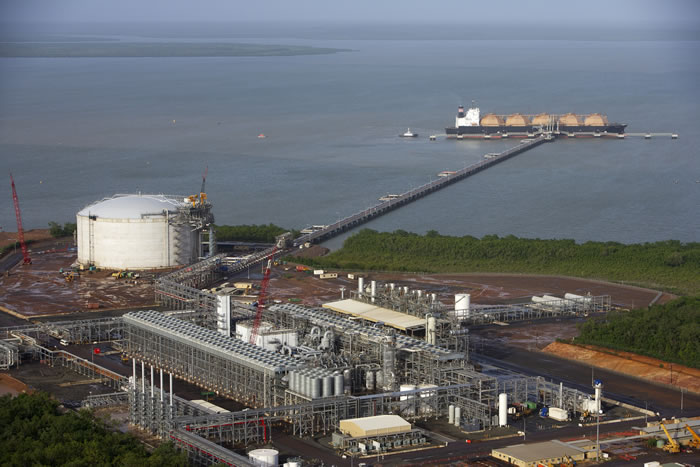
Tanzania is taking a major leap toward energy self-sufficiency and industrial transformation with the launch of a US$420 million synthetic fuel project, designed to turn the country into Africa’s next major exporter of jet fuel and clean energy products.
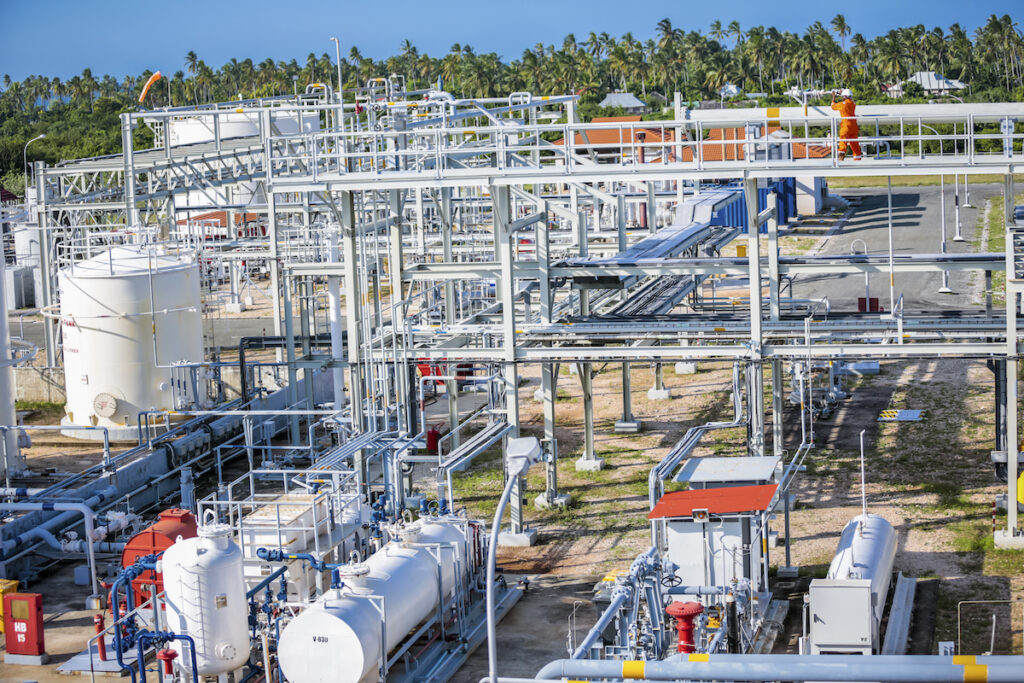
The project, which is expected to commence construction in early 2026 and be operational by 2027, will establish a Gas-to-Liquid (GTL) plant that converts natural gas into high-value fuels including diesel, jet fuel, naphtha, hydrogen, and fertilizer. Once complete, it will position Tanzania as the first country in East Africa capable of producing synthetic jet fuel locally – a breakthrough with far-reaching economic benefits.
Unlocking natural gas wealth
The initiative is anchored on the country’s vast proven natural gas reserves – estimated at 57.54 trillion cubic feet (TCF) – offering a powerful base for the country to transition from a raw gas exporter to a refined fuel producer.
A feasibility study conducted by Rocky Mountain GTL, a Canadian clean-fuel technology company, has already confirmed the project’s technical and economic viability. The company is working with Rithi Tanzania Group to advance implementation plans, with both parties having agreed to share detailed data on market capacity and gas availability.
“This is a strategic project that will redefine Tanzania’s energy landscape,” said TPDC Director General Mussa Makame. “We are now in the final stages of due diligence, and if all goes well, construction will start in 2026. By producing jet fuel locally, we will eliminate import dependency and strengthen Tanzania’s industrial base.”
Driving down import bills, creating jobs
Tanzania currently spends more than US$2.6 billion annually on imported petroleum products, according to the Bank of Tanzania. Once operational, the GTL plant could cut this figure substantially, keeping billions of shillings within the local economy while creating thousands of direct and indirect jobs in engineering, transport, and logistics.
Local airlines – which face high jet fuel costs due to reliance on imports – are also set to benefit. The plant will provide cheaper, domestically available jet fuel, reduce flight operation costs and boosting competitiveness for Tanzanian and regional carriers.
“This project will make jet fuel more accessible and cost-effective,” said executives from Rithi Tanzania Group. “It gives airlines quicker access to supply, lowering transportation costs and enhancing regional connectivity.”
Regional export hub in the making
Beyond domestic impact, the project could transform Tanzania into a regional fuel hub, supplying Kenya, Uganda, Rwanda, Burundi, and eastern DRC with synthetic jet fuel and diesel.
This would create an alternative supply chain to Nigeria’s Dangote Refinery, which currently dominates Africa’s jet fuel market. With a capacity of 650,000 barrels per day, Dangote’s refinery exports aviation kerosene across the continent – but Tanzania’s entry offers East Africa a geographically closer and potentially cheaper option.
Hydrogen exports to Europe and Asia
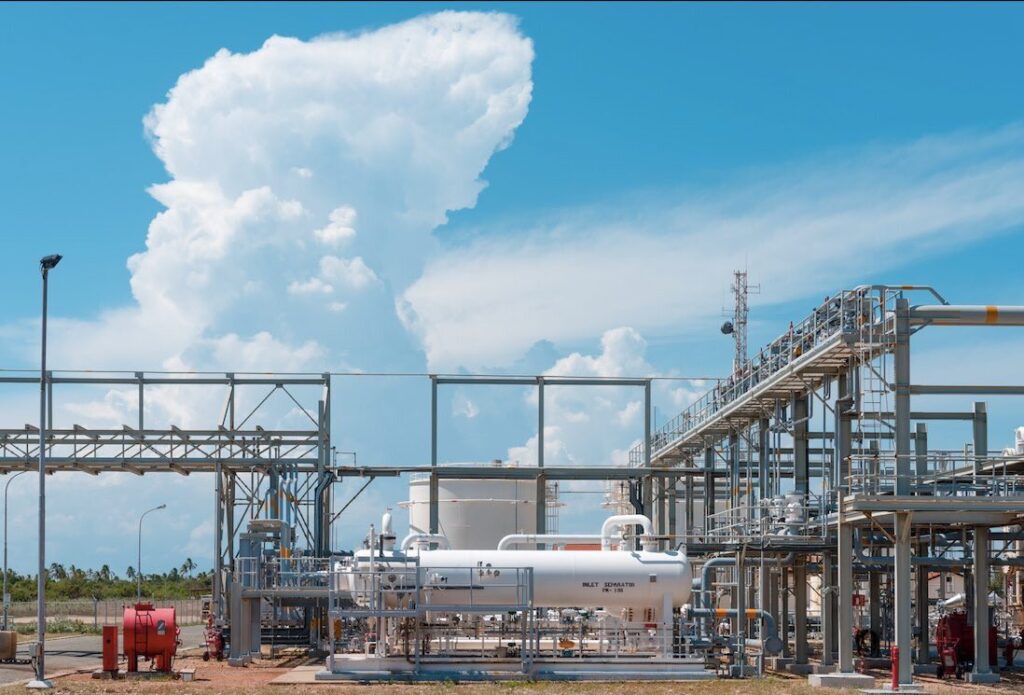
The project’s inclusion of hydrogen production opens a lucrative opportunity in the global clean energy market, particularly in Europe and Asia, where demand for green hydrogen is surging.
“The hydrogen market has unlimited demand potential,” said a Rocky Mountain GTL spokesperson. “Tanzania can play a key role in supplying low-carbon fuels to global markets, aligning with its Vision 2050 industrial and energy transition goals.”
To ensure timely delivery, the Tanzanian government has dispatched a high-level technical team to validate the GTL technology and assess site readiness. Unlike traditional refineries that take up to seven years to build, the modular GTL design allows for commissioning within two years, expediting Tanzania’s march toward energy independence.
The synthetic fuel project aligns squarely with the Tanzania Development Vision 2050, which prioritises industrial growth, export diversification, and sustainable resource utilization. Once operational, it could add billions to Tanzania’s GDP, anchor new industries, and boost foreign exchange earnings through fuel and hydrogen exports. With the first groundbreaking planned for early 2026, Tanzania is on course to join the global clean-fuel race – not just as a participant, but as a regional leader in synthetic energy innovation.