By Business Insider Reporter
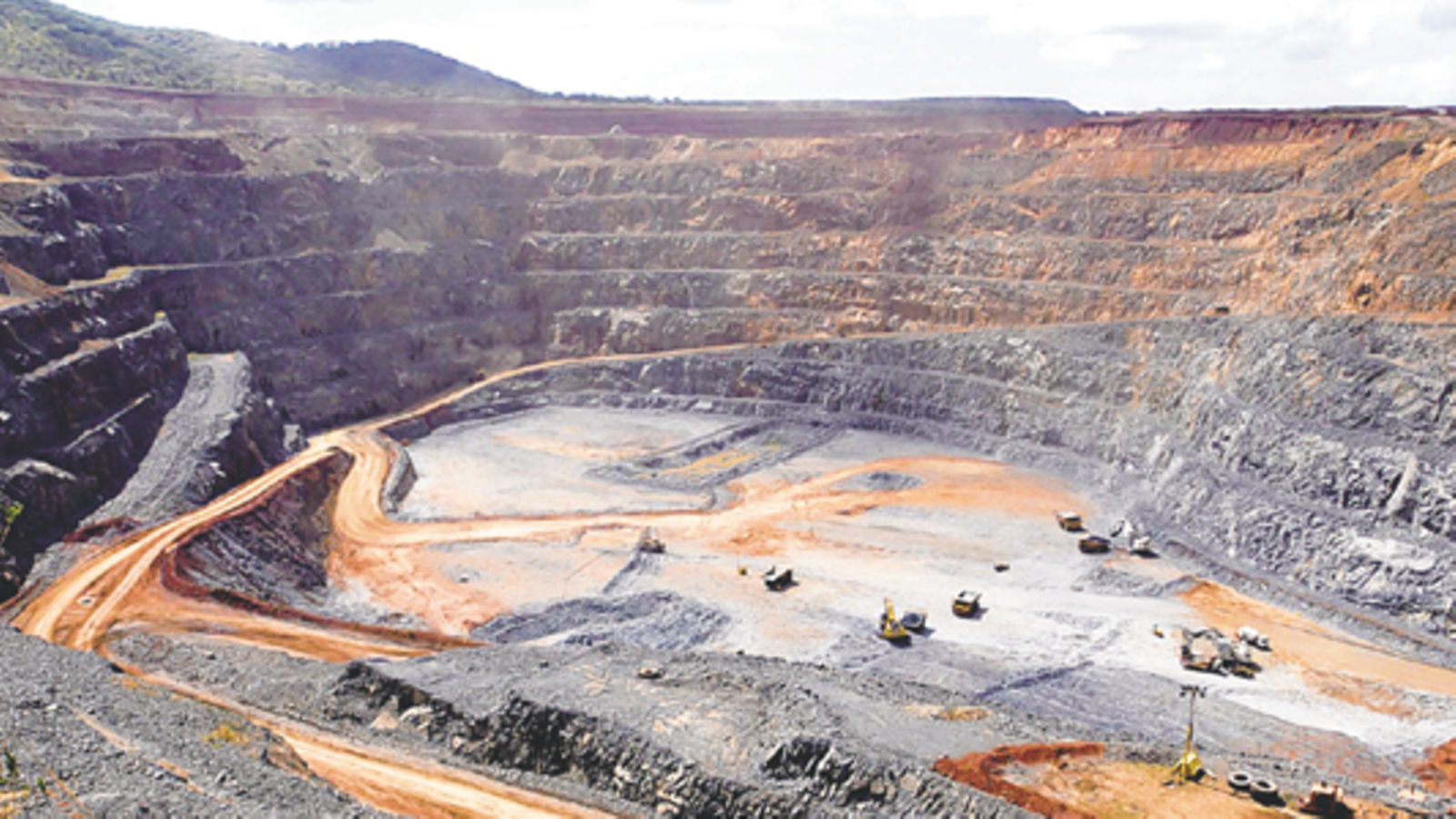
As Africa’s mining sector braces for a fresh wave of billion-dollar investment, Tanzania stands at a strategic inflection point. With abundant mineral reserves, favourable policy shifts and growing investor appetite, the country is poised to turn this momentum into meaningful economic benefit.
A recent landmark move by Appian Capital Advisory and International Finance Corporation (IFC) to mobilise up to US$1 billion in mining and energy-transition-metals projects across the continent signals the scale of opportunity. Tanzania has been spotlighted among the emerging markets that can benefit from this influx of capital.
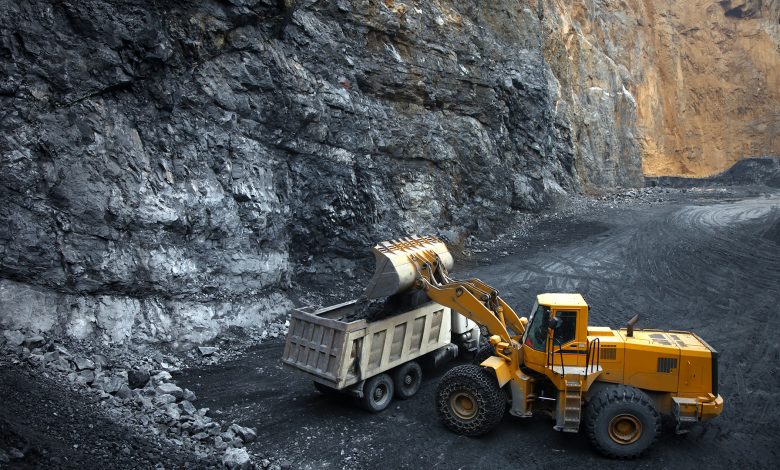
Why Tanzania is positioned to win
Tanzania’s mining sector already contributes significantly: the industry’s share of GDP reached 10.1 per cent in 2024, up from 9.1 per cent in 2023 with exports of minerals reaching a historic US$4.1 billion in the year to January 2025, with gold alone accounting for US$3.4 billion.
These numbers reflect more than raw extraction: policy reforms, value-addition strategies and regulatory tightening around smuggling and informal trade have improved transparency and investor confidence.
From a strategic perspective, Tanzania holds critical minerals vital to the global energy transition, including graphite and rare earth elements (REEs).
A 2025 report estimates local value-addition opportunities across 11 minerals at US$ 7.2 billion – 11.7 billion annually.
With global demand for processed minerals rising, Tanzania’s potential to shift from raw exports toward downstream processing offers a pathway to higher export earnings, jobs and industrialisation.
Infrastructure, regulatory reforms and investor-friendly initiatives are aligning to create a fertile environment for new capital deployment.
Translating investment into tangible benefits
For Tanzania, the upside from incoming mining investment spans multiple fronts:
First, job creation and regional development in which mineral-investment projects typically bring employment, service-industry spin-offs and local infrastructure upgrades.
There is also an issue of increased fiscal revenues where higher production and value-added exports translate into stronger royalty, tax and export-earning streams for the government – funds that can finance public goods and development.
On industrial value-addition and export diversification, there is moving minerals up the value chain from raw ore to processed products means more value retained domestically, supporting manufacturing, logistics and export capacities.
But there is a need to strengthen local supply-chains as major mining operations expand, local firms can supply goods and services, boosting SME activity and local content deepening.
On global-market alignment, with energy-transition metals in demand, Tanzania could become a strategic supplier for the global clean-energy economy – enhancing its geopolitical and economic positioning.
What it will take to fully capture the opportunity
To ensure the country maximises the benefit from the investment wave, several enablers must align:
- Robust regulatory and fiscal frameworks: Clear permitting, stable tax and royalty regimes and investor protections are essential to translate interest into committed capital.
- Local-content development and skills building: Ensuring Tanzanians fill a meaningful share of jobs, that local-supplier networks expand, and skills development is integrated into projects.
- Processing infrastructure and downstream capability: Building the plants, refineries and logistics required for value-added processing and export readiness.
- Logistics and energy infrastructure: Mines and processing plants often locate in remote regions. Reliable power, transport, ports and water access are needed.
- Community and environmental partnerships: Sustainable mining must address local-community needs, environmental safeguards and social licence to operate – reinforcing long-term viability.
The road ahead
Tanzania is entering a potentially transformative decade in its mining sector. With global capital shifting into minerals and Africa competing for a greater share, this country’s alignment of resources, policy and ambition positions it well. The task now is to ensure that interest becomes investment, that extraction becomes industrialisation, and that growth becomes inclusive. If Tanzania succeeds, its mining boom could deliver not just foreign-exchange earnings, but jobs, infrastructure, local industry and a meaningful shift up the value chain – a significant win for the economy and its people.