By Business Insider Reporter
The East African region is on the brink of a major transformation in mobility and economic integration following the unveiling of the Intergovernmental Authority on Development (IGAD) Single Visa Initiative, which seeks to simplify cross-border travel, work, and trade.
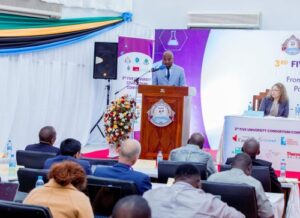
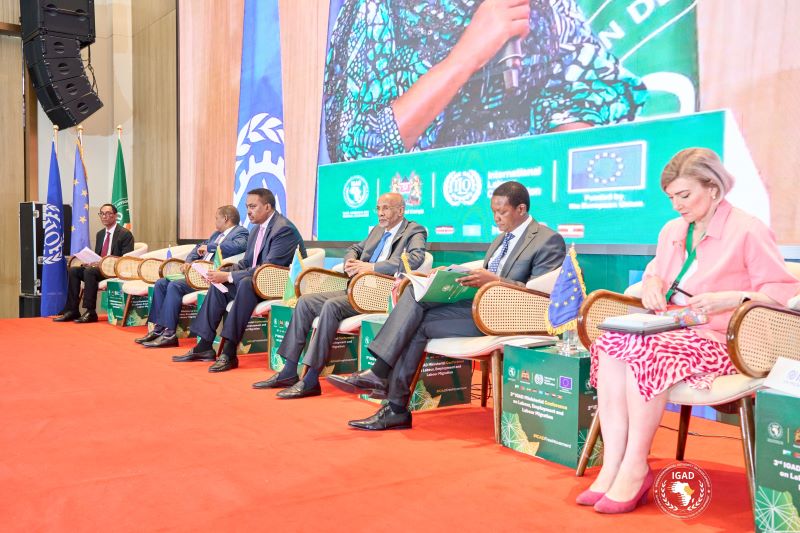
The announcement was made during the 3rd IGAD Ministerial Conference on Labour, Employment and Labour Migration, held in Nairobi on 24 October 2025. Ministers and senior officials from Kenya, Uganda, Ethiopia, Djibouti, South Sudan, Somalia and Eritrea pledged to deepen cooperation through a common visa system and interoperable digital identification platform – steps that could redefine how citizens, businesses, and investors move across the Horn of Africa.
A milestone for regional integration
The proposed IGAD Single Visa will allow non-IGAD citizens to travel across multiple member states with a single entry document, mirroring successful models such as the Schengen Area in Europe and the East African Tourist Visa jointly used by Kenya, Rwanda and Uganda.
According to the conference communiqué, the initiative will simplify tourism, trade, and investment flows, while promoting safe and regular labour migration – a crucial step towards realising IGAD’s long-term goal of free movement of people and goods within the bloc.
“This is a landmark step toward regional integration that will not only strengthen our economies but also promote social and cultural exchange,” said one delegate from Ethiopia’s Ministry of Labour and Skills.
Digital IDs to support free movement
Beyond the visa system, ministers also endorsed the creation of common regional standards for interoperable national IDs, allowing citizens to be identified and verified across borders through existing national databases.
The digital ID initiative, to be implemented under the IGAD Free Movement of Persons and Transhumance Programme (FMPT-II) with support from the European Union, aims to eliminate bureaucratic barriers that hinder cross-border business and employment.
The communiqué emphasised that the framework will be cost-effective, leveraging current national systems rather than creating an entirely new regional ID.
A Technical Committee comprising experts from ministries of migration, labour, foreign affairs, immigration, and ICT across all IGAD Member States has been formed to design the operational and governance model for both the visa and digital ID systems.
Strengthening labour governance and youth employment
The Nairobi conference also focused on labour mobility and youth employment – two areas critical to East Africa’s social and economic stability.
Ministers resolved to establish a Regional Labour Migration Observatory, a Labour Governance Unit and a Labour Migration Trust Fund under the IGAD Secretariat.
These mechanisms will collect and share labour data, promote decent work standards, and ensure compliance with bilateral and international labour agreements.
The communiqué also called for social dialogue between governments, employers, and trade unions to enhance coordination with Gulf Cooperation Council countries, Jordan and Lebanon – key labour migration destinations for East African workers.

Innovative financing for migration and integration
Recognising the financial challenges that often stall regional projects, ministers encouraged innovative financing mechanisms such as diaspora bonds, remittance-linked investments, and debt suspension arrangements to fund implementation.
These approaches are expected to mobilise private and public capital for infrastructure, digital systems, and migration management, while reducing the financial burden on individual member states.
Towards a connected and prosperous region
The IGAD Single Visa and digital ID proposals mark a pivotal moment in East Africa’s journey toward deeper regional integration. By facilitating the free movement of people, goods, and services, the initiatives will enhance intra-African trade, attract foreign investment, and promote inclusive growth.
They also complement continental efforts under the African Continental Free Trade Area (AfCFTA), which aims to create a single market for goods and services across the continent. “When people can move freely, economies thrive,” said Dr. Workneh Gebeyehu, IGAD’s Executive Secretary. “Our goal is to make East Africa a region without unnecessary borders – open for trade, innovation, and opportunity.”