By Business Insider Reporter
Somalia’s decision to accelerate the introduction of Swahili into its national education curriculum marks a historic milestone for East African integration – and a strategic opportunity for Tanzania to extend its cultural, educational and economic influence across the region.
The Somali government has announced that Swahili will soon become a working and instructional language in schools and universities, alongside Somali, Arabic and English.
The move aligns with Somalia’s new status as the eighth member of the East African Community (EAC) and is intended to strengthen regional unity through shared communication.
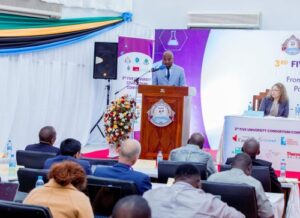
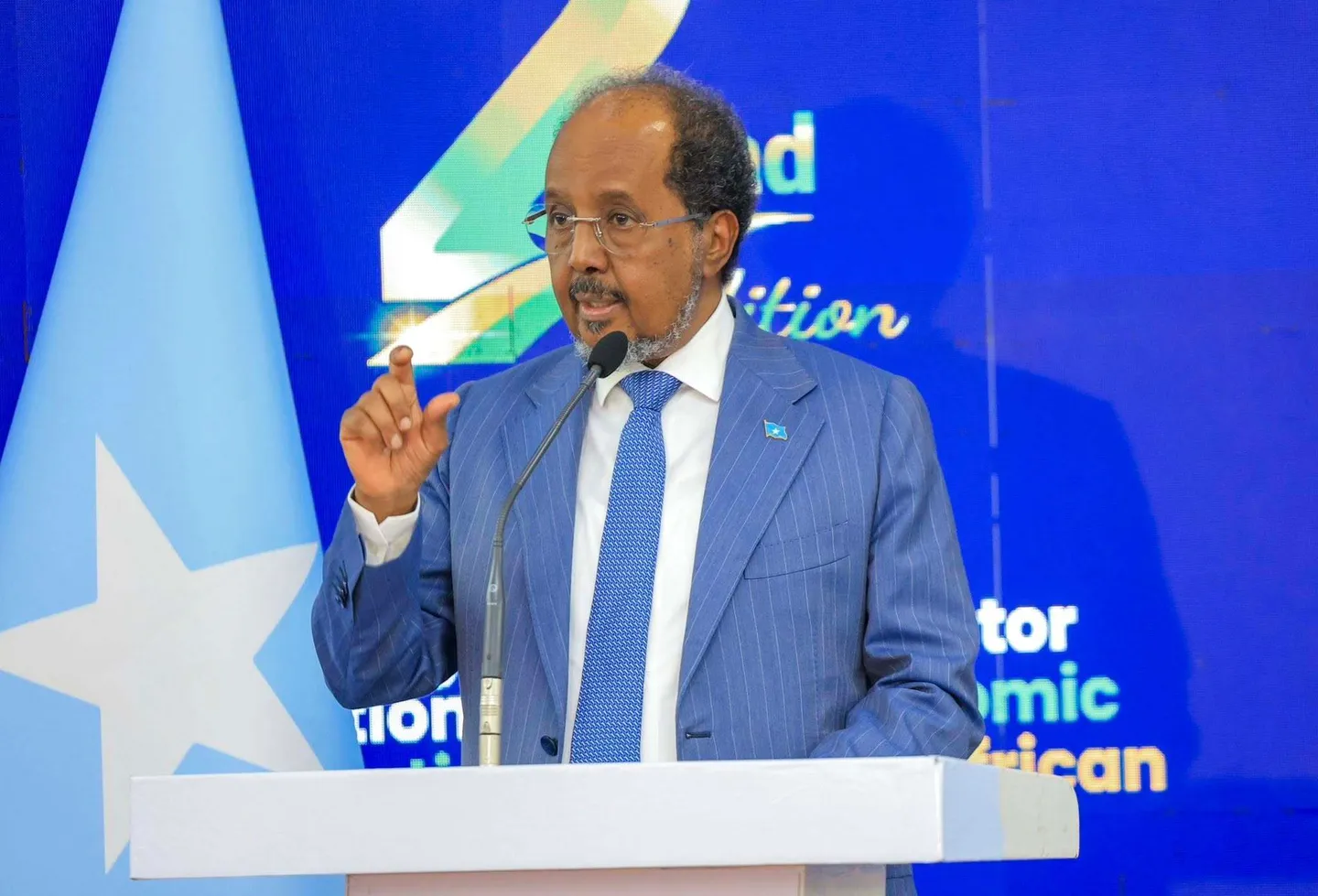
At the opening of the Second East African Cooperation and Economic Integration Conference (EACON 2025) in Mogadishu, President Hassan Sheikh Mohamud urged Somali universities to lead efforts in promoting Swahili. He described the language as “a cornerstone of East African identity” and essential for advancing cooperation across the bloc.
“The Somali National University, along with all Somali universities, must take the lead in promoting Swahili, the common language of the East African region,” he said.
A strategic opening for Tanzania
For Tanzania – the birthplace and custodian of standard Swahili – Somalia’s linguistic shift offers immense opportunities.
As the only EAC member where Swahili is both a national and official language, Tanzania is well-positioned to export linguistic expertise, teachers, and educational materials to Somalia.
Institutions such as the National Kiswahili Council (BAKITA), Tanzania Institute of Education (TIE), University of Dar es Salaam, and Taasisi ya Taaluma za Kiswahili (TATAKI) could play key roles in curriculum development, training Somali educators and producing certified Swahili learning resources.
The expansion of Swahili in Somalia could also boost Tanzania’s soft power, positioning it as the region’s cultural and linguistic anchor.
In a globalising EAC, where economic integration increasingly relies on shared communication, Swahili serves as both a unifying tool and a vehicle for Tanzanian influence in trade, academia, and diplomacy.
Economic and trade implications
Language is not just cultural – it is economic. With Swahili emerging as a regional trade language, Tanzanian companies stand to benefit from easier market access in Somalia, particularly in education, publishing, broadcasting, and tourism.
The growing use of Swahili will facilitate smoother business interactions across the region, lower translation costs, and strengthen Tanzania’s position in intra-EAC trade, especially in services, logistics, and media.
Regional collaboration in education
Somalia’s Education Minister Farah Sheikh Abdulkadir said his government was working with regional institutions to develop a framework for teaching Swahili nationwide.
He expressed optimism that Swahili could soon become “a language of communication, trade and learning, even replacing English during our next conference.”
The initiative is being coordinated by Somalia’s National Higher Education Board in collaboration with the East African Universities Association and East African Qualifications Authority – opening doors for Tanzanian universities to take part in joint programmes, student exchanges, and digital language platforms.
Strengthening regional identity
Swahili, spoken by over 200 million people across East and Central Africa, is already an official language of both the African Union and the East African Community.
By embracing it, Somalia signals a commitment to shared regional values, identity and mutual understanding – an alignment Tanzania has long championed.
President Mohamud emphasised that Somalia’s integration within the EAC must go beyond commerce to include deeper cultural and linguistic bonds that reinforce collective prosperity.
“Mogadishu has always been a city of trade and connection,” he said. “Hosting this conference shows Somalia’s commitment to deepening regional integration, promoting peace, and advancing East Africa’s shared prosperity.”
Tanzania’s role moving forward
Experts say Tanzania could capitalise on this development by launching bilateral cultural exchange programmes, teacher deployment schemes, and joint Swahili research initiatives with Somali universities.
The move would not only create employment opportunities for Tanzanian educators but also strengthen Dar es Salaam’s voice in shaping EAC’s socio-cultural agenda. As East Africa moves closer toward linguistic and economic cohesion, Tanzania’s leadership in Swahili promotion positions it at the heart of the region’s transformation – turning language into a bridge of opportunity, trade, and shared identity.