

By A Special Correspondent
Sub-Saharan Africa’s economy is showing signs of resilience amid global uncertainty, with growth projected to reach 3.8 percent in 2025, up from 3.5 percent in 2024, according to the latest Africa’s Pulse report released by the World Bank.
Among the region’s top performers is Tanzania, which continues to stand out as one of the fastest growing economies in Sub-Saharan Africa (SSA), maintaining strong momentum through consistent reforms, investment in infrastructure, and sectoral diversification.
Tanzania’s robust economic growth reflects its expanding industrial base, strategic investments in energy and transport, and increasing private sector activity – particularly in agribusiness, tourism, and construction.
These gains position the country as a beacon of stability and economic promise in a region that, while growing, faces an urgent need to translate economic gains into quality job creation.
Growth with challenges
While the report highlights easing inflationary pressures and a recovery in investment, it also points to deepening structural challenges. Inflation has moderated significantly, with the number of countries facing double-digit inflation falling from 23 in October 2022 to just 10 in July 2025.
Yet, public debt vulnerabilities are rising, and nearly half of the region’s countries are now at high risk of debt distress, a figure that has nearly tripled over the past decade.
Despite improvements, the pace of growth across SSA – including in high-performing countries like Tanzania – is not yet sufficient to reduce extreme poverty or meet the employment needs of a rapidly expanding workforce.
Africa is undergoing the fastest demographic shift in the world, with the working-age population expected to grow by over 600 million people by 2050.
“The challenge will be matching this growing population with better jobs, given that only 24% of new workers today land wage-paying jobs,” said Andrew Dabalen, World Bank Chief Economist for the Africa Region. “A structural shift toward more medium and large firms is essential to generate wage jobs at scale.”
Tanzania’s position
Tanzania’s economic resilience stems from deliberate policy choices, including efforts to reduce the cost of doing business, scale infrastructure development, and improve human capital.
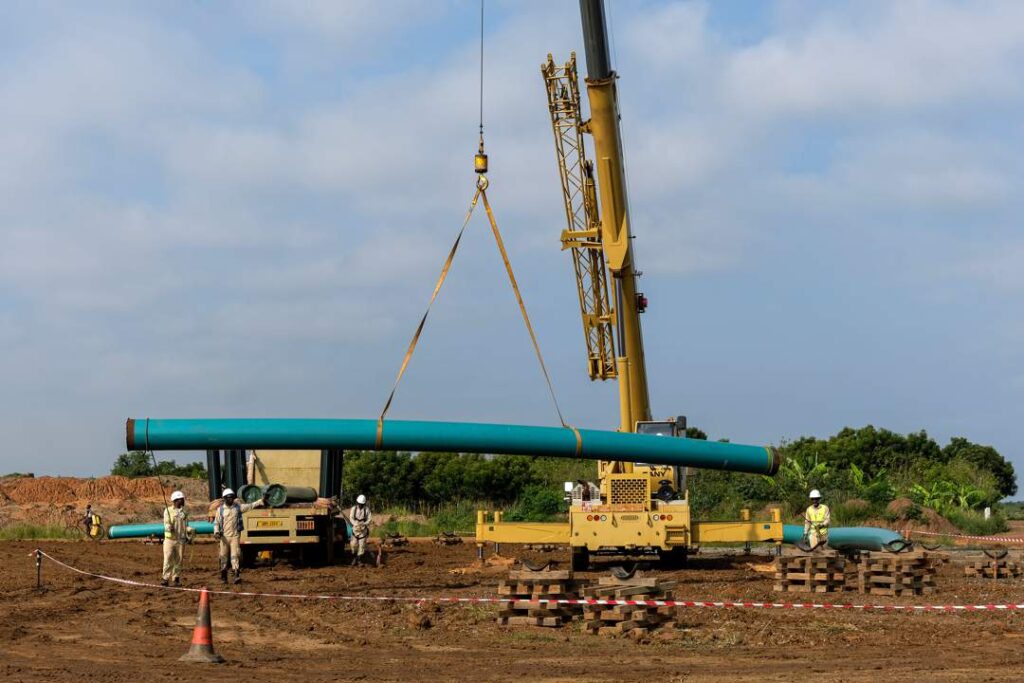
The country has been prioritizing reforms in energy, digital access, and transportation – all identified in the report as key enablers of large-scale job creation.
As a rising tourism hub, Tanzania is well-placed to leverage spillover effects across related sectors such as hospitality, logistics, and agriculture. According to the report, every job in tourism generates an additional 1.5 jobs elsewhere in the economy – an opportunity the country is keen to harness.
Pathways to jobs
The World Bank report released on Wednesday, themed: “Pathways to Job Creation in Africa”, outlines key policy priorities for unlocking the region’s employment potential:
Lowering business costs to enable growth and encourage entrepreneurship.
Investing in infrastructure and digital connectivity.
Enhancing skills and human capital
Strengthening institutions and governance to attract private investment.
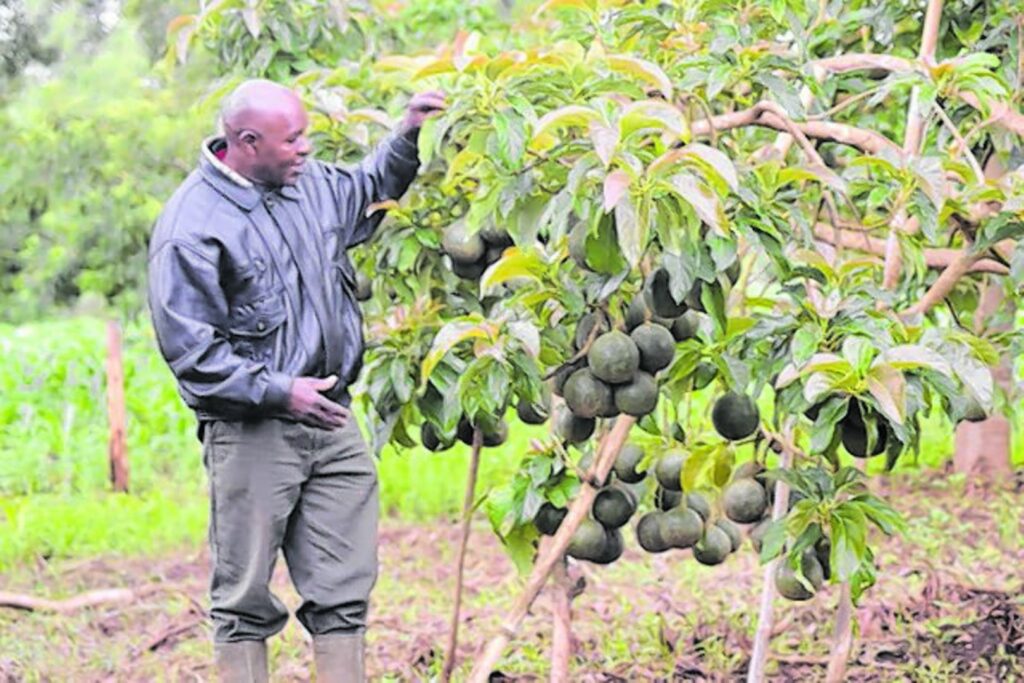
The report emphasises the role of the private sector in sectors like agribusiness, mining, healthcare, and housing, all of which offer opportunities for job creation and inclusive growth.
Outlook
As SSA navigates a complex global economic landscape, countries like Tanzania are demonstrating that strong growth is possible – but must now rise to the greater challenge of ensuring that growth delivers for people.
With strategic investment, sound governance, and private sector engagement, Tanzania and its peers have a real opportunity to unlock a jobs-rich future for the continent. In calendar year 2024, the IMF says that Tanzania’s real GDP growth was 5.5 percent. For 2025, the Bank of Tanzania projects the growth to reach 6 percent.