
By Business Insider reporter
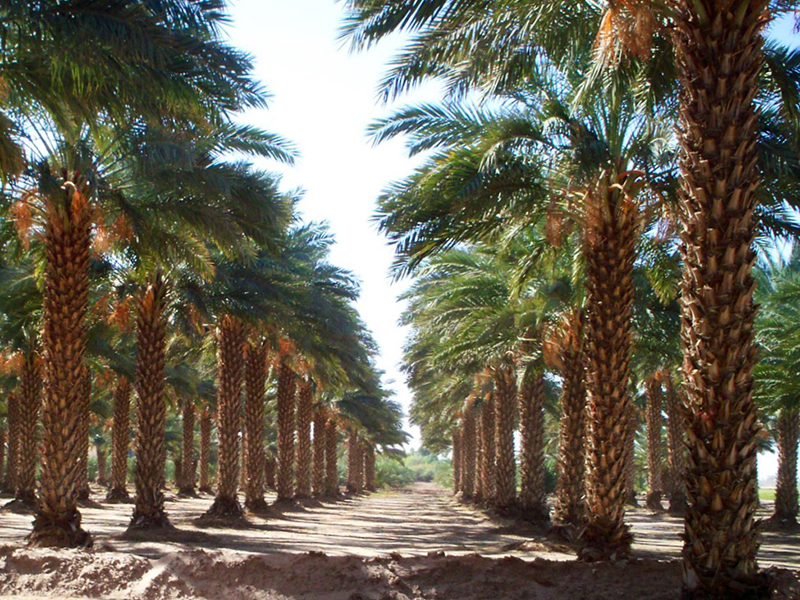
Palm trees, long treasured across Africa for their cultural and economic value, are under threat. Deforestation, overharvesting and climate change have pushed many native palm species into decline.
In response, scientists from across the continent have launched the African Network of Palm Scientists to conserve and restore these trees.
Tanzania, with its rich coastal ecosystems and growing green economy, is poised to turn this conservation challenge into a business opportunity.
From biodiversity to business
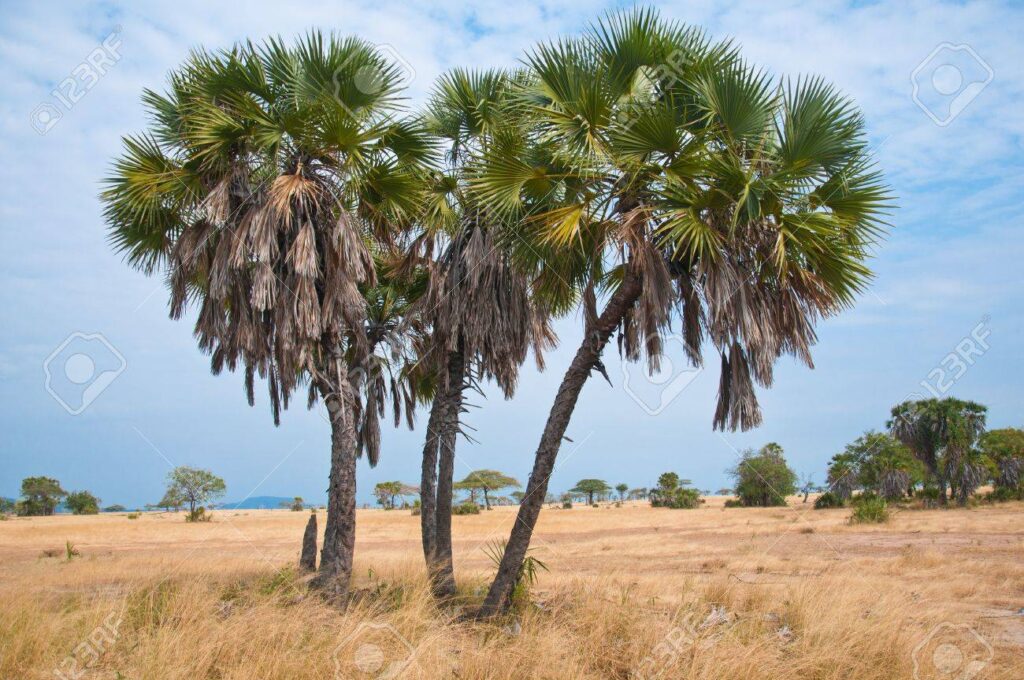
Tanzania is home to coconut palms, doum palms (Hyphaene compressa), raffia palms (Raphia spp.) and African fan palms (Borassus aethiopum), which communities use for food, fibre, construction and wine tapping.
For decades, most of these palms have been underexploited commercially, except for coconuts.
Experts say that with rising global demand for sustainable fibres, bio-based materials and natural beverages, Tanzania could unlock new industries based on palms.
“Palm products have potential to rival cashews and coffee as export earners if the right value chains are developed,” notes an agribusiness analyst in Dar es Salaam.
Investment in value chains
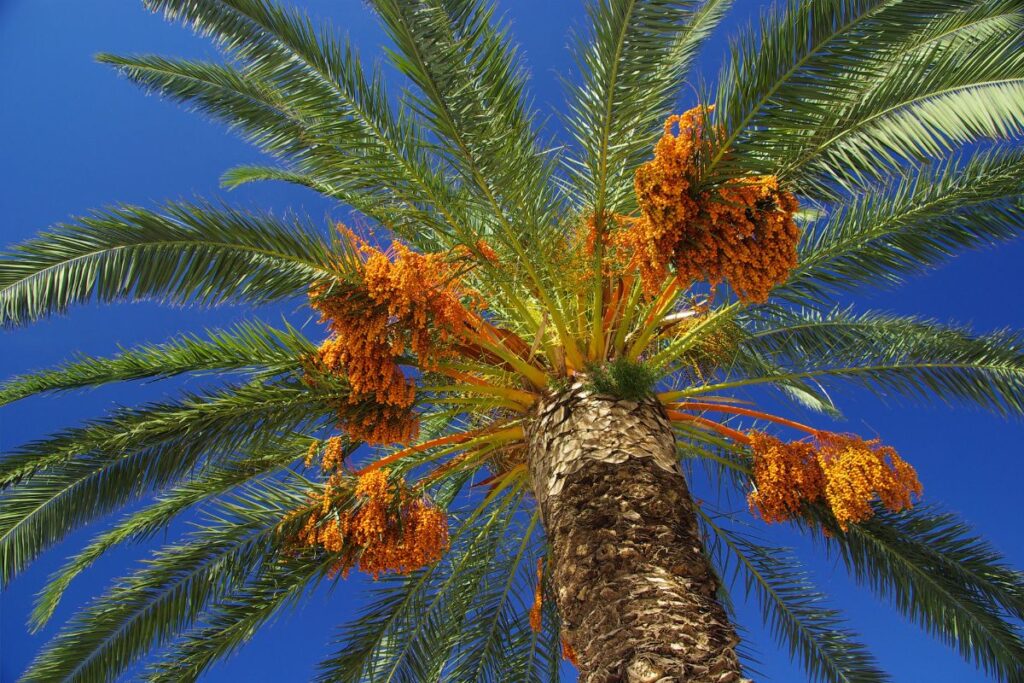
Palms offer diverse business avenues:
Raffia and Doum Fibre: Can be processed into mats, baskets, furniture and eco-friendly textiles.
Palm Wine and Juices: With proper tapping techniques and bottling, Tanzania could enter niche export markets for organic beverages.
Bio-based Materials: Palm stems and leaves can provide sustainable construction material and bioenergy feedstock.
Agro-tourism: Palms are iconic in Zanzibar and the coast, offering opportunities for eco-resorts and cultural tourism tied to palm heritage.
With initial investment in processing plants and training cooperatives, Tanzania could reduce dependence on raw exports and build a competitive palm-based manufacturing sector.
Jobs and rural livelihoods
Palm value chain development could directly benefit coastal communities in Tanga, Lindi, Bagamoyo, Pemba and Zanzibar, where unemployment is high. By integrating palms into agroforestry systems with coconuts, cashews and spices, smallholder farmers could diversify income streams.
According to experts, each hectare of palm agroforestry could support up to 20 rural jobs in harvesting, processing and small-scale manufacturing. With proper scaling, this could rival Tanzania’s cashew sector in employment impact.
Export potential
Tanzania’s palm-based exports could tap into markets where demand for sustainable, bio-based products is growing fast:
- European Union: importing natural fibres and eco-textiles.
- Middle East: growing markets for date and palm-based juices.
- North America: niche demand for organic beverages and fair-trade handicrafts.
With the African Continental Free Trade Area (AfCFTA) in effect, Tanzania could also sell processed palm products more easily within Africa, where raffia furniture, palm oil alternatives and fibres are in demand.
Policy and private sector role
For Tanzania to lead in palm restoration and business, three priorities stand out:
- Research partnerships with universities such as Sokoine University of Agriculture to document species and develop domestication techniques.
- Private sector investment in processing plants, branding and export certification.
- Community cooperatives to ensure local ownership, reduce overharvesting and keep profits in rural areas.
Palm tree restoration may be rooted in conservation, but for Tanzania it also represents a green industrialisation opportunity. By combining science with enterprise, the country can protect biodiversity while creating jobs, diversifying exports and positioning itself as a leader in sustainable natural products. As one conservationist put it: “Protecting palms is not just about saving trees – it’s about building industries that can sustain people and the planet.”