
By Business Insider Reporter
India’s appetite for avocados is rising fast, creating fresh opportunities for East African producers.
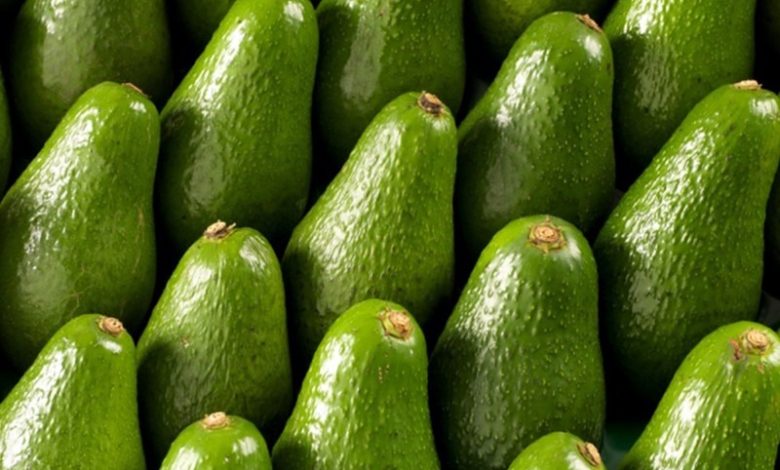
Over the past five years, imports have surged as Indian consumers embrace Hass avocados – with Tanzania already an important supplier.
The Tanzanian season, which runs from December to August, provides a consistent supply window that has helped build familiarity and trust in the market.
Yet the competition is catching up. Exporters are increasingly turning to Rwanda, Burundi, and Uganda to fill seasonal gaps and extend supply into India.
These origins are smaller and less established, but feedback from buyers has been positive, with quality sometimes matching or even surpassing Tanzanian fruit.
While Tanzania dominates today, it risks losing market share unless it takes deliberate steps to cement its leadership.
The first challenge is price. Indian buyers remain highly sensitive to costs, and avocados from alternative East African origins are often US$1.50 to US$2.20 per box more expensive than Tanzanian fruit.
For now, that price advantage works in Tanzania’s favour. But as competition scales up and logistics improve in neighbouring countries, Tanzania cannot rely solely on being the cheapest option.
Strengthening quality consistency and branding Tanzanian Hass as a premium yet affordable choice will be critical.
Logistics is another make-or-break factor. Indian importers demand strict harvesting, packing, and cold-storage standards to ensure fruit arrives in peak condition. Tanzania has made strides, but gaps remain in maintaining cold chains, minimising handling errors, and pre-planning alternative supply routes. Competitors with leaner systems are working to close these gaps, and Tanzania will need to invest in training, infrastructure, and digital supply chain tools to stay ahead.
Building importer confidence is also key. While Tanzanian avocados are well known in India, many buyers are still cautious about expanding volumes.
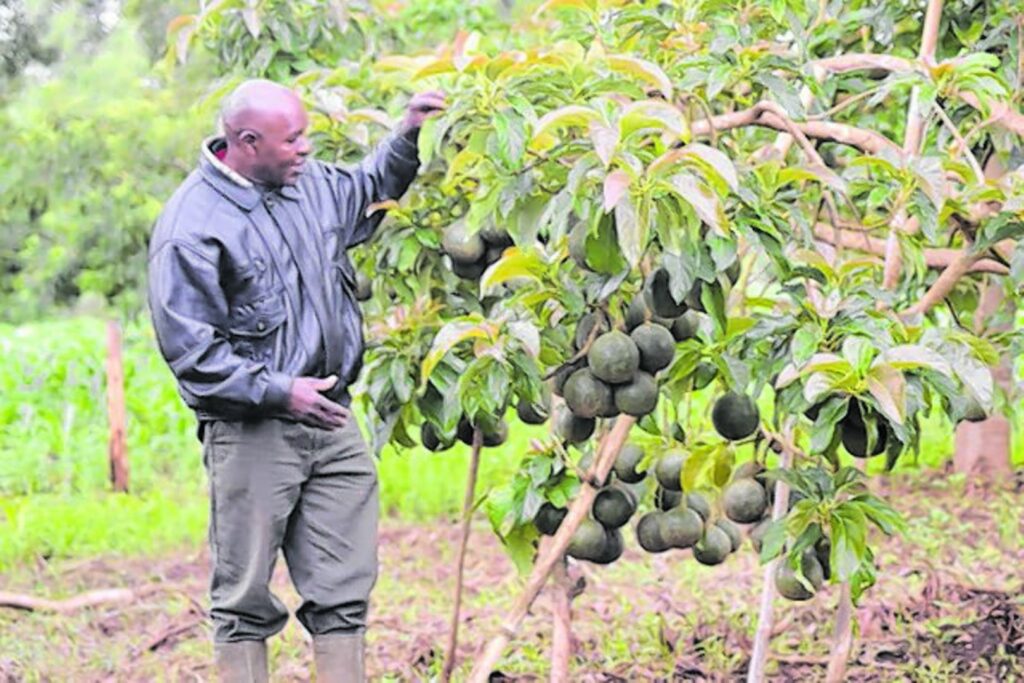
Clear communication, reliable delivery schedules, and stronger partnerships with Indian distributors can help lock in long-term contracts and reduce reliance on spot sales. Promotion campaigns highlighting Tanzania’s avocado season and the country’s comparative advantage in size and flavour could further strengthen demand.
Finally, Tanzania needs to leverage trade policy. Uganda, Rwanda, and Burundi benefit from Least Developed Country status under India’s Directorate General of Foreign Trade, which can ease market access.
Tanzania should actively negotiate for favourable tariff terms, while simultaneously supporting farmers and cooperatives to meet export standards.
India’s avocado market is maturing quickly, with volumes projected to rise steadily over the next decade.
For Tanzania, the window of opportunity is wide open – but not guaranteed. The country must sharpen its competitiveness, strengthen logistics, and promote its brand if it wants to stay ahead of regional rivals and secure a bigger, long-term slice of this lucrative market.