
By Business Insider Reporter
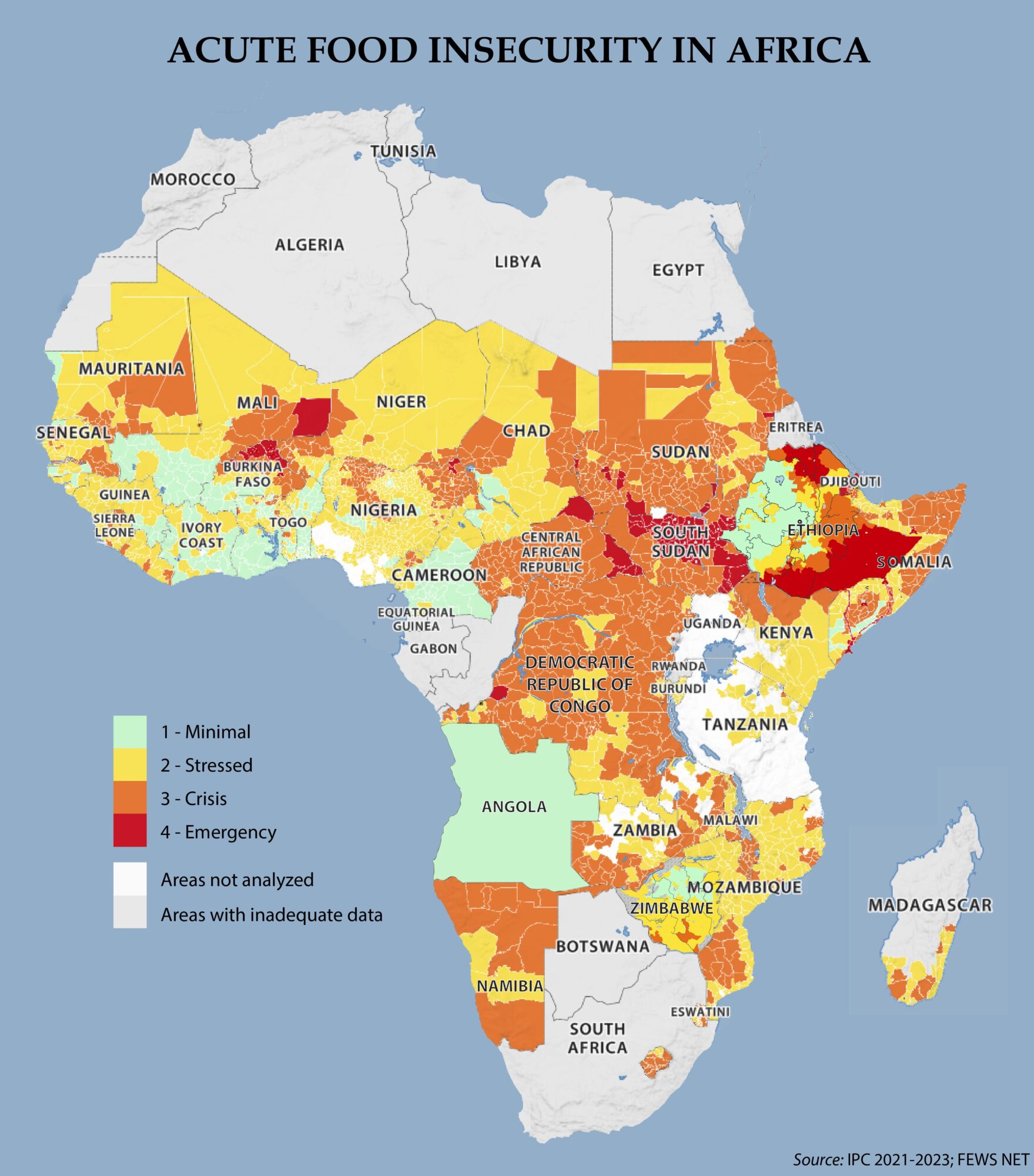
Africa’s struggle with food insecurity could find relief in an unexpected area: food safety. The African Development Bank (AfDB) and the African Union Commission (AUC) have launched a new initiative, the Strengthening Food Safety Standards and Nutrition in Africa (SFNA) project, designed to improve food safety systems across the continent.
While at first glance the project may seem narrowly focused on public health, experts believe it could have a profound effect on alleviating food shortages by reducing waste, boosting trade, and unlocking new markets for African producers.
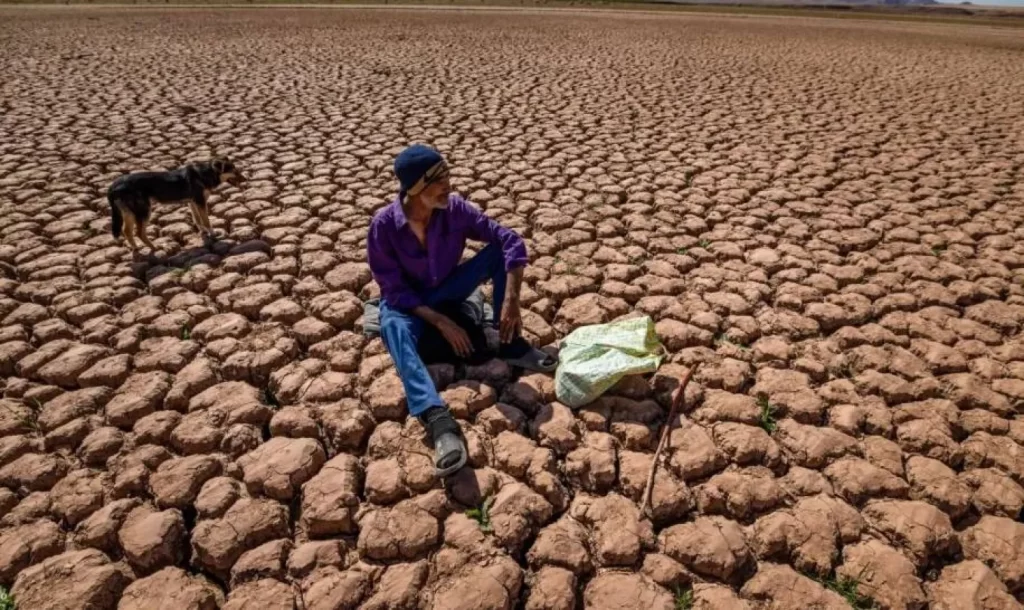
The scale of the problem is sobering. The World Health Organisation estimates that foodborne diseases cause 137,000 deaths and 91 million illnesses each year in Africa. Beyond the human cost, contaminated and unsafe food leads to huge losses in harvests, rejected exports, and reduced productivity.
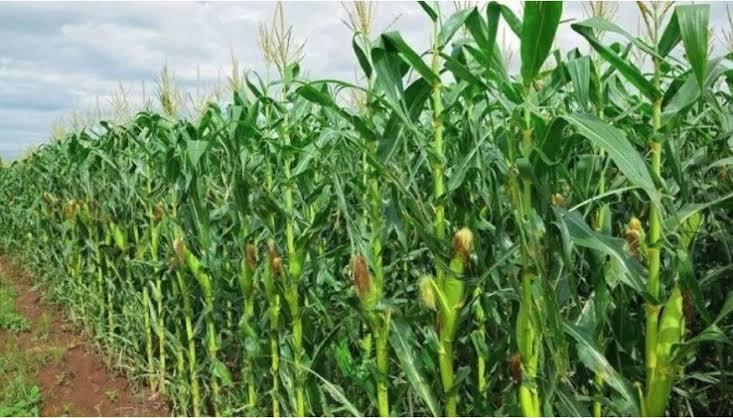
Farmers often see crops such as groundnuts, maize, and other staples destroyed or barred from sale due to aflatoxin contamination, while meat and dairy producers struggle with hygiene standards that make their products less competitive.
The SFNA project, backed by an US$8.57 million grant from the African Development Fund, is tackling this problem head-on.
By harmonising food safety standards, enhancing laboratory capacity, and promoting a culture of nutrition and food safety, the initiative aims to cut down on losses caused by contamination and improve consumer confidence.
In practical terms, this means more food that is safe for consumption, less wastage along the supply chain, and greater availability of nutritious products for African households.
The first phase of the project will roll out in 10 countries including Tanzania, Senegal, Mozambique, Mali, and Cameroon.
These are nations where food shortages are compounded by weak infrastructure and limited regulatory capacity. By strengthening laboratories and equipping regulators with better tools, the project will allow local farmers to get their produce tested quickly, meet international safety standards, and avoid unnecessary spoilage.
What is in house for Tanzania?
For Tanzania, the benefits could be especially significant. The country has ambitious goals to boost its agriculture exports, yet products like maize and groundnuts often face restrictions in international markets due to aflatoxin contamination.
By investing in food testing and harmonised safety rules, the SFNA project could open new export opportunities while ensuring more local produce reaches dinner tables instead of being wasted.
More broadly, the project promises to improve intra-African trade under the African Continental Free Trade Area (AfCFTA).
A common barrier to trade between African countries has been the lack of aligned food safety standards.
One country’s exports are often rejected by another due to differing rules, creating bottlenecks that waste food and income.
By harmonising standards, the SFNA project makes it easier for food to move across borders, reducing shortages in countries that depend on imports.
The emphasis on nutrition and vulnerable groups also addresses the human side of food insecurity. Children, pregnant women, and the elderly are most affected by malnutrition and unsafe food. By embedding nutrition education and safer practices in local communities, the initiative ensures that food security is not just about quantity but also quality.
Safe, nutritious food directly reduces hunger-related illnesses and strengthens resilience against future shortages.
From a business perspective, the initiative could spark a wave of new opportunities.
Food producers, processors, and exporters who comply with higher safety standards will find it easier to access lucrative markets in Europe, Asia, and within Africa.
Supermarkets, restaurants, and hotel chains will benefit from more reliable supplies of safe food. Investors in agribusiness and logistics will see reduced risks of losses due to spoilage and rejection.
While US$8.57 million may not sound large compared to Africa’s vast food challenges, the project’s design – focused on capacity-building and standard-setting – has a multiplier effect. By strengthening institutions and systems rather than simply providing food aid, the SFNA project creates long-term solutions that cut waste, increase production efficiency, and enhance trade.
Ultimately, food shortages in Africa are not only a matter of insufficient production; they are also about inefficiencies, waste, and barriers to trade.
By addressing food safety at a continental level, the AfDB and AU are targeting one of the hidden but critical factors behind hunger. If successful, the initiative could ensure that millions of tonnes of food that are currently lost to contamination or trade rejection instead reach markets and households.
As AfDB’s César Mba Abogo said at the launch in Nairobi, the project is “a declaration of the Bank’s unwavering commitment to build resilient food systems from farm to fork.” For Africa, where food insecurity threatens economic stability and social well-being, safer food could well be the key to a more secure future.