By Business Insider Reporter
East Africa’s ambition to stabilise electricity supply and expand access has taken a new turn as Norway’s development finance institution, Norfund, announced its exit from three flagship regional hydropower projects.
The move, which transfers ownership stakes to London-listed Savannah Energy, raises pressing questions about the future of power security across Uganda, Malawi, Rwanda, Burundi, and the Democratic Republic of Congo.
A shift in ownership
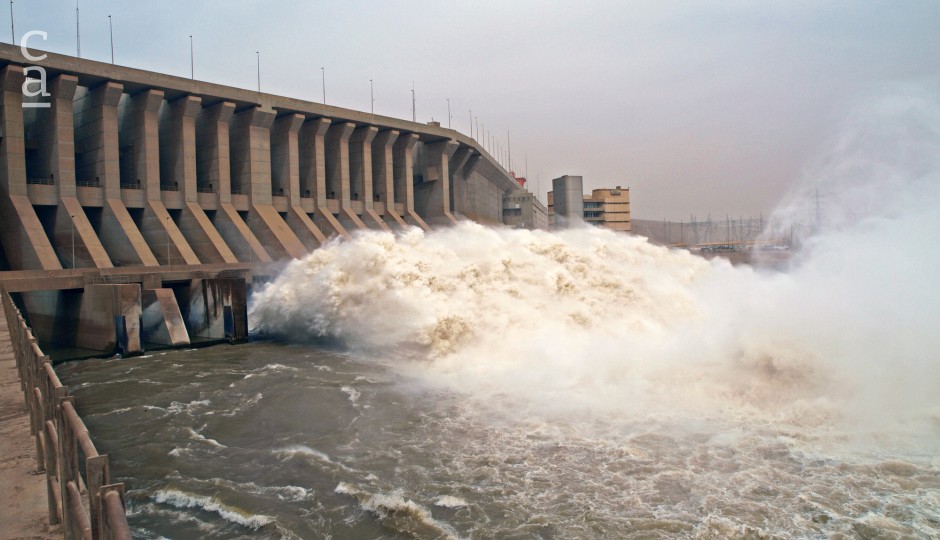
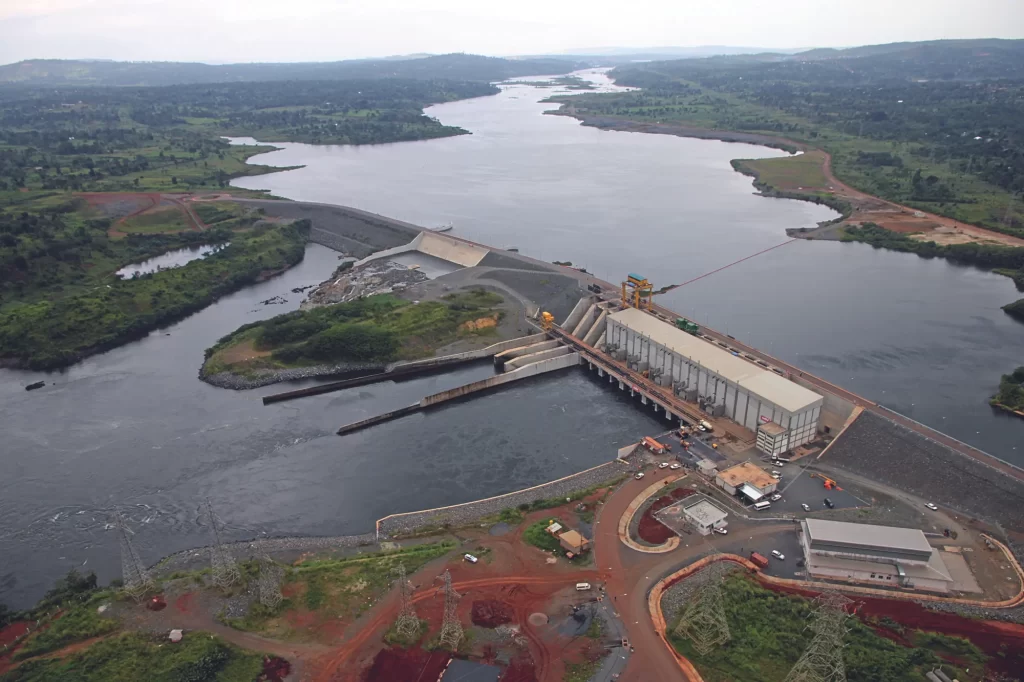
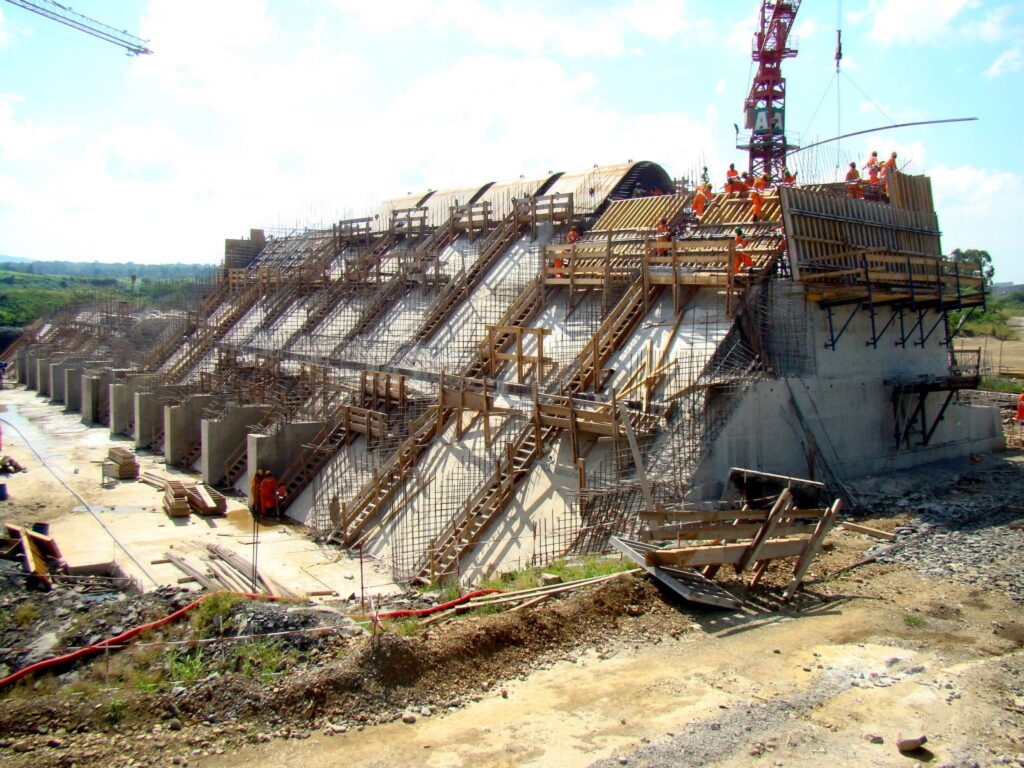
Norfund is divesting its 50.1 percent stake in Klinchenberg BV, a holding company with minority positions in three strategic hydropower schemes: Uganda’s 255 MW Bujagali Hydropower Plant, Malawi’s 361 MW Mpatamanga project, and the 206 MW Ruzizi III regional project, shared by Rwanda, Burundi, and the DRC.
The transaction, worth up to US$65.4 million, will see Savannah Energy acquire indirect net interests of 13.6 percent in Bujagali, 12.3 percent in Mpatamanga, and 9.8 percent in Ruzizi III.
The deal is scheduled for legal closure in the first quarter of 2026, subject to regulatory approvals.
For Norfund, this represents the culmination of its risk-bearing role – supporting early-stage development, stabilising assets and then recycling capital into fresh renewable ventures.
For Savannah, it marks a decisive leap into African hydropower, adding to its existing footprint in oil, gas, and thermal power.
Implications for regional energy security
At the heart of this deal lies a critical question: what does this mean for East Africa’s energy security?
Uganda: Bujagali currently generates about one-third of Uganda’s electricity, anchoring national supply stability. Savannah’s involvement offers reassurance that investment in long-term maintenance and efficiency upgrades will continue, but questions linger on whether tariffs – already contentious in Uganda – will remain affordable under private ownership.
Malawi: The Mpatamanga project, still under development, has the potential to double the country’s hydro capacity and significantly reduce blackouts.
Accelerated financial closure under Savannah’s watch could help Malawi meet its fast-growing demand and reduce dependence on costly diesel generators.
The Great Lakes Region (Rwanda, Burundi, DRC): Ruzizi III is designed as a regional power-sharing project, a critical tool for both energy access and political cooperation. A financially stronger private operator could fast-track delivery, though political complexities and cross-border risk-sharing remain hurdles.
Overall, the transfer of ownership from a state-backed DFI to a private operator could unlock faster capital mobilisation and efficiency. But it also raises concerns about whether profit motives might complicate issues of access, pricing, and equitable distribution of power.
A broader trend in African infrastructure
The deal underscores a growing pattern: development finance institutions incubate complex projects, de-risk them, and then hand over to private investors once bankability is assured.
This model is proving vital in Africa, where nearly 600 million people remain without electricity.
By bringing in private capital at scale, governments and multilaterals hope to accelerate electrification without bearing the entire financial burden.
For East Africa, such transitions may help fill power gaps, but resilience will be tested by climate risks, especially given the region’s reliance on hydro. Prolonged droughts have already shown how vulnerable hydropower can be. Hence, diversification into solar, wind, and gas-backed baseload remains urgent.
The road ahead
Savannah Energy’s entry could be a catalyst. With access to global capital markets and a stated ambition to build a pan-African energy platform, the company is positioned to drive efficiency and scale. Yet much will depend on its ability to balance commercial returns with the social imperative of affordable electricity.
For East Africa, the real measure of success will be whether this ownership shift translates into more reliable power grids, lower blackout rates, and expanded access for households and businesses. If managed well, the Norfund-Savannah transition could mark a turning point in the region’s pursuit of energy security.